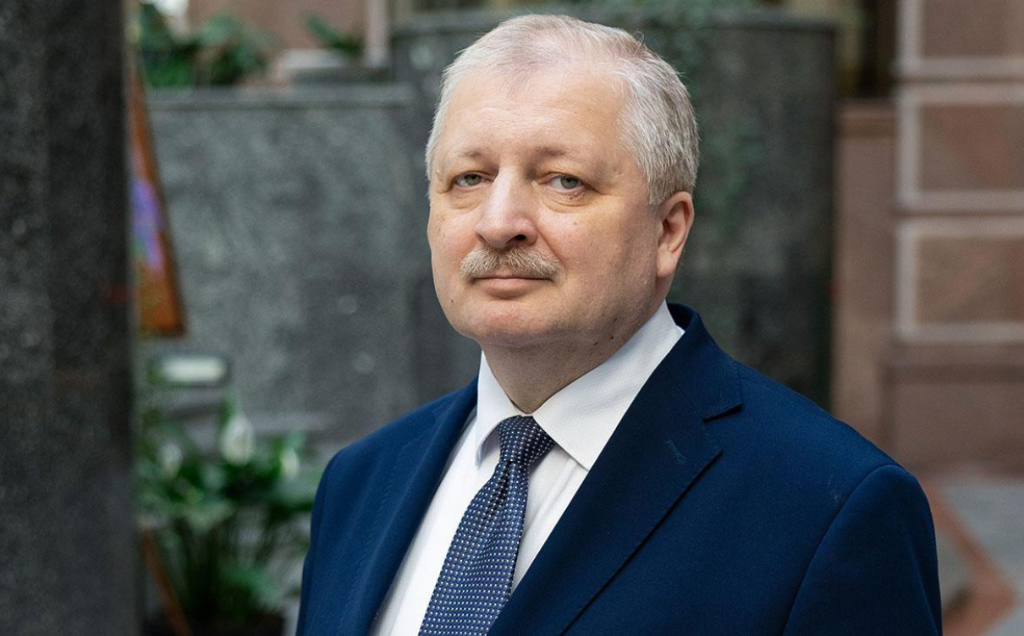
Diplomatic world stunned by Kremlin’s loss of key US envoy
The international diplomatic landscape faces a seismic shift following the unexpected death of Russian Ambassador Aleksandr Darchiev in Moscow last week. At 66, the seasoned diplomat—who had been stationed in Washington since March 2025—was a linchpin in Moscow’s efforts to navigate fraught relations with an administration known for its unpredictable engagement with global powers.
From Ottawa to Washington: A career dedicated to North American diplomacy
Darchiev’s three-decade career was deeply intertwined with Russian-American diplomatic maneuvering. His appointment to the Washington post last spring came at a critical juncture, following years of strained relations and amid renewed, if cautious, attempts at dialogue between the Kremlin and the White House.
Before crossing the Atlantic, Darchiev served as Russia’s ambassador to Canada from 2014 to 2021, where he honed his expertise in North American political dynamics. His earlier roles at Russia’s foreign ministry focused specifically on US relations, earning him a reputation as a sharp negotiator and a trusted voice within Moscow’s diplomatic corps.
His sudden absence leaves a leadership void at an embassy positioned at the center of global geopolitical tensions. With the war in Ukraine raging, sanctions biting, and arms control negotiations stalled, the Kremlin’s ability to communicate its stance through traditional channels is now in question.
Context of contention: A role defined by high stakes
The timing of Darchiev’s death could not be more consequential. As Washington and Moscow continue to spar over European security, energy policies, and cybersecurity threats, the ambassador’s role was less about fostering friendship and more about managing adversarial engagement without total collapse.
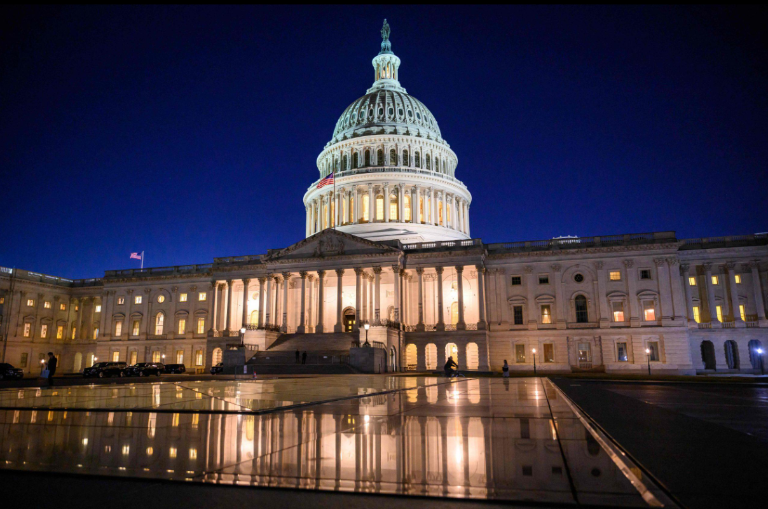
The ambassador’s responsibilities extended beyond mere representation. He was responsible for liaising with US institutions, tracking policy shifts in Congress, and ensuring that Moscow’s messaging reached key decision-makers in a climate where public statements often overshadow quiet diplomacy. His presence in Washington was a tangible reminder that, even in periods of intense rivalry, embassies serve as vital lifelines for crisis prevention and damage control.
Unanswered questions overshadow official statements
Initial reports from Russia’s foreign ministry described Darchiev’s death as sudden, without elaborating on the cause or location. This lack of transparency fueled speculation, particularly in Western media, about possible links to his high-pressure post.
Later clarifications from Foreign Ministry spokesperson Maria Zakharova confirmed that Darchiev had died in Moscow due to undisclosed chronic illness—a detail that, while plausible, did little to quell broader concerns. In the absence of further medical or investigative disclosures, the focus remains on the implications of his absence rather than the circumstances of his passing.
What comes next: Filling the void in a fragile diplomatic ecosystem
With Darchiev’s post now vacant, the immediate focus turns to succession. The Kremlin’s choice for his replacement will speak volumes about its strategic priorities in the coming months. Will Moscow opt for continuity, selecting another veteran negotiator familiar with US politics? Or will it signal a more assertive—or conciliatory—stance through an unconventional appointment?
For now, Russian embassy staff in Washington are expected to maintain operational continuity, ensuring that existing channels of communication remain open. Yet the long-term impact on bilateral negotiations—whether regarding Ukraine, strategic arms control, or sanctions relief—remains uncertain.
The timing of this leadership gap could hardly be worse. With global attention fixed on shifting alliances in Eastern Europe and the Indo-Pacific, Moscow’s ability to articulate its positions and mitigate escalation risks hinges on the delicate balance maintained by its diplomatic corps. Darchiev’s sudden departure reminds all parties that diplomacy is not just a matter of policy—it is a human endeavor built on trust, experience, and institutional memory.
The enduring role of embassies in fractured relations
Even amid the harshest diplomatic winters, embassies serve as indispensable conduits for dialogue. In Darchiev’s case, his role was less about building bridges and more about preventing them from collapsing entirely. His absence underscores a harsh reality: when relations between great powers fray, every diplomat’s contribution—however modest—becomes disproportionately significant.
As world capitals scrutinize the Kremlin’s next moves, one thing is clear: the loss of Aleksandr Darchiev is more than a personal tragedy. It is a strategic setback at a moment when Moscow can ill afford missteps in its fraught engagement with Washington and its allies.