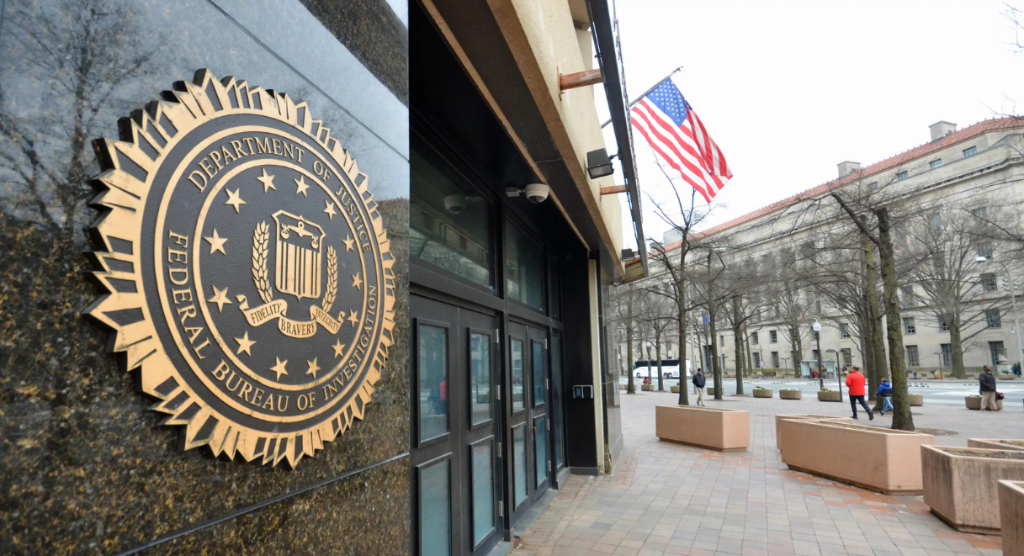
In a landmark shift to combat rising transnational cybercrime, agents from the United States Federal Bureau of Investigation (FBI) have embedded themselves within Abidjan’s Pôle pénal économique et financier (PPEF), West Africa’s premier economic and financial crimes court. The move marks a critical turning point in regional security cooperation, as Côte d’Ivoire joins forces with Washington to dismantle sextortion networks and money-laundering syndicates operating across multiple jurisdictions.
From skepticism to strategic alliance: how Abidjan embraced FBI support
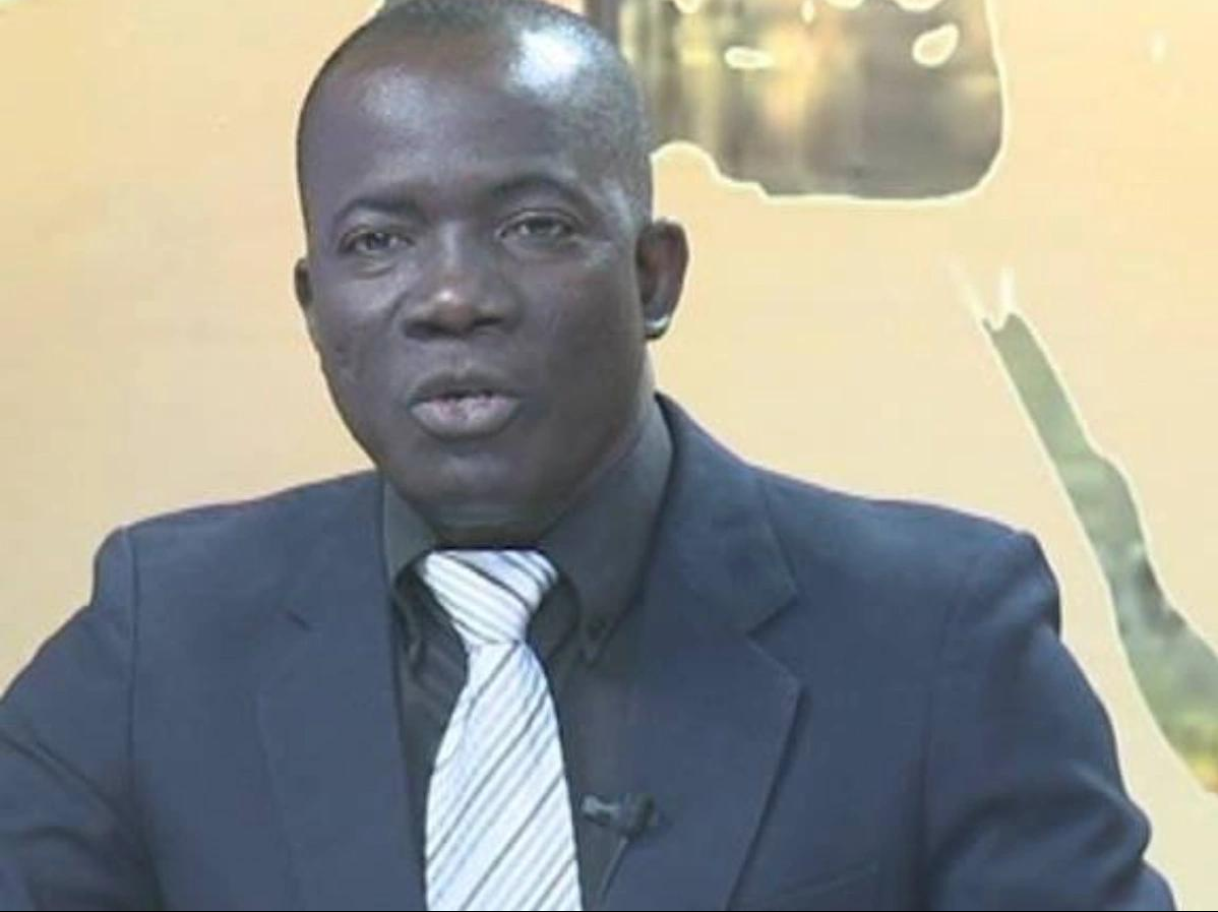
Since their arrival, the presence of FBI agents at the PPEF has sparked intense public debate. Critics question whether foreign investigators infringe on Ivorian judicial sovereignty, while others demand immediate action against the growing tide of digital extortion targeting victims worldwide. The controversy reached a turning point when Justice Minister Jean Sansan Kambilé stepped forward with a detailed clarification of the collaboration’s purpose and legal framework.
Kambilé dismissed rumors that the FBI was investigating Ivorian magistrates for corruption, affirming that the U.S. agents are in Côte d’Ivoire solely to help dismantle cybercriminal networks operating from its soil. ‘The FBI is here to assist our authorities in apprehending suspects behind sextortion and financial crimes that harm victims both here and abroad,’ he stated. ‘To date, 12 individuals have been arrested, prosecuted, and brought to justice thanks to this joint effort.’
Sextortion on trial: the hidden epidemic fueling international outrage
At the center of the FBI-PPEF partnership is a shadowy but rapidly expanding form of cybercrime: sextortion. This predatory scheme involves luring victims—often through fake online identities—into sharing intimate images or videos under false pretenses. Once captured, the perpetrators blackmail their victims by threatening to publish the content publicly or send it to friends and family unless large sums of money are paid.
According to the minister, several American victims have been targeted by networks based in Côte d’Ivoire, with some cases resulting in severe psychological trauma, including suicide. The international ramifications of these crimes—along with their frequent links to money laundering and money mule operations—demand a coordinated response. The FBI’s involvement is not an imposition, Kambilé stressed, but a voluntary collaboration aimed at protecting lives and recovering stolen funds.
A joint strike force: how Abidjan and Washington dismantle cybercrime networks
To formalize this collaboration, officials established a dedicated Joint Task Force, uniting Ivorian judges, prosecutors, financial crime investigators, and FBI cybercrime specialists. This team operates under a clear mandate: to investigate, arrest, and prosecute individuals involved in sextortion, fraud, and illicit financial flows across borders.
The Task Force has already achieved measurable results. Through coordinated operations, over a dozen suspects have been arrested and tried in Ivorian courts, with several currently serving prison sentences. FBI agents have also conducted multiple on-site consultations at the PPEF, advising local prosecutors on evidence collection, digital forensics, and cross-border legal strategies.
The minister highlighted this cooperation as a cornerstone of Côte d’Ivoire’s broader fight to exit the Financial Action Task Force (FATF) grey list—a designation that signals weak controls against money laundering and terrorist financing.
Clearing the air: justice ministry rejects corruption claims amid transparency push
Amid the ongoing debate, allegations surfaced in the press suggesting that the FBI was secretly fueling a corruption investigation within the PPEF. In response, the Ministry of Justice issued an official denial, stating: ‘No American agency has notified Ivorian authorities of any investigation involving PPEF magistrates. No gendarmerie inquiry of the type reported has been opened.’ The ministry emphasized that all FBI activities are strictly aligned with the official mandate of combating cybercrime and money laundering.
This clarification underscores a key principle of the partnership: while foreign support is welcomed, sovereignty and legal autonomy remain non-negotiable. The FBI operates as advisors and collaborators, not as law enforcement authorities with independent powers in Côte d’Ivoire.
Sovereignty in the spotlight: navigating the fine line of international justice
The presence of foreign agents in a national court raises fundamental questions about governance, trust, and transparency. How much oversight do Ivorian authorities maintain over FBI activities? What limits exist on their investigative powers? These concerns are not unique to Côte d’Ivoire—they reflect a global challenge in balancing international cooperation with national autonomy.
Kambilé has assured the public that all joint operations are conducted under Ivorian judicial supervision. ‘The PPEF coordinates every move with local prosecutors. The FBI provides expertise; we retain control,’ he said. This approach seeks to reassure citizens while acknowledging the urgent need to address crimes that transcend borders.
As the dust settles, the partnership has already yielded tangible dividends: increased arrests, strengthened prosecutions, and enhanced regional credibility. For a nation striving to shed its reputation as a haven for financial crime, this alliance may well mark a turning point—not just in justice, but in sovereignty.
The road ahead: from arrests to systemic change
Looking forward, the challenge is twofold: sustaining these gains without eroding public trust or compromising national institutions. The success of the FBI-PPEF collaboration could serve as a model for other African nations grappling with similar threats. Yet, it also demands a continued commitment to transparency, legal clarity, and public accountability.
In Côte d’Ivoire, the message from the Justice Ministry is clear: foreign partnership is not a surrender of authority, but a strategic investment in safety, justice, and global standing. As the era of digital crime evolves, so too must the tools of justice—especially when those tools come with stars and stripes on their sleeves.