Water Contamination Crisis Sparks Diplomatic Breakthrough
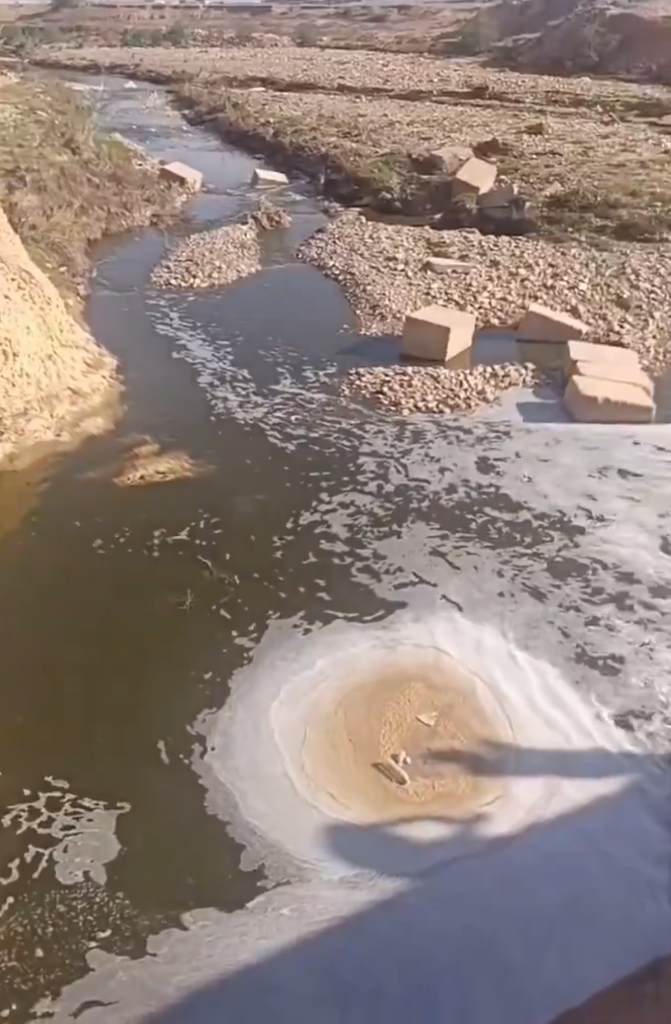
Algeria and Morocco are on the brink of a major diplomatic confrontation following alarming reports of severe water pollution in the oued Mouilah, a critical water source for Algeria’s Tlemcen region. Algerian officials have definitively linked the contamination to industrial and domestic discharges originating from Moroccan territory, elevating the dispute beyond an environmental issue to a potential geopolitical flashpoint.
With the fate of the Hammam Bougara Dam hanging in the balance, this crisis marks a turning point in regional tensions, where water—like oil in past conflicts—could become the next battleground for sovereignty and responsibility.
From Local Emergency to Transboundary Crisis
The oued Mouilah, a tributary of the oued Isly, plays a vital role in replenishing the Hammam Bougara Dam, a lifeline for multiple municipalities in western Algeria. Recent water quality assessments have revealed alarming concentrations of chemical pollutants, including heavy metals and pharmaceutical residues, alongside elevated levels of nitrites and microbiological contamination. Such findings raise urgent concerns about both ecological damage and public health risks.
Algerian authorities have traced the source of contamination to upstream industrial and urban effluent discharges within Morocco. The transboundary flow of polluted water not only exacerbates environmental degradation but also challenges traditional notions of national sovereignty and cross-border accountability.
Beyond Blame: The Search for Scientific Truth
While Algeria has formally accused Morocco of responsibility, establishing definitive proof requires rigorous scientific investigation. Independent hydrological and toxicological analyses—conducted across multiple points along the river basin—are essential to trace pollutants back to their exact origin and confirm their trajectory into Algerian waters.
Without verifiable, transparent data, claims of responsibility remain contested. A neutral scientific assessment would not only clarify the pollution’s source but also provide a credible foundation for any future legal or diplomatic action.
Key Environmental Threats Identified
- Heavy metals: Long-term exposure risks include neurological and renal damage in local populations.
- Pharmaceutical residues: May contribute to antimicrobial resistance and disrupt aquatic ecosystems.
- Nitrite overload: Can lead to eutrophication, suffocating aquatic life and compromising water safety.
Diplomatic Escalation: Is International Law the Answer?
Faced with what it describes as a deliberate or negligent transboundary environmental hazard, Algeria has signalled its intention to pursue legal recourse at the international level. The move reflects a strategic shift from bilateral negotiation to multilateral arbitration, invoking principles enshrined in international environmental law, including the duty of prevention and cooperation.
Under the United Nations Watercourses Convention, states are obligated to prevent significant harm to other countries through water pollution and to engage in good-faith consultations when disputes arise. Algeria’s potential invocation of such frameworks represents a calculated escalation in a conflict already rooted in deep-seated political tensions.
From Parliament to Global Stage
Regional lawmakers in Tlemcen have publicly urged their government to file a formal complaint with international bodies such as the UN Environment Programme or the African Union. The move signals a growing political consensus that environmental security must take precedence over diplomatic paralysis.
Yet until an official complaint is filed—and until Morocco responds—the situation remains in a precarious limbo between technical assessment and geopolitical escalation.
Climate Stress, Water Scarcity: A Region on the Edge
The conflict over the oued Mouilah unfolds against a backdrop of worsening water insecurity in North Africa. Both Algeria and Morocco are grappling with the dual pressures of climate change, overexploitation of aquifers, and rapid population growth—factors that amplify the stakes of every shared water source.
In this fragile context, a transboundary pollution incident is no longer just an environmental issue; it becomes a sovereignty issue. The question is no longer if water will spur conflict, but when and how diplomats and scientists can prevent it from spiraling into a full-blown crisis.
Shared Basin, Shared Responsibility
Water does not recognize borders. When a river crosses from one nation to another, its preservation demands shared stewardship, shared data, and shared accountability. The oued Mouilah crisis underscores a critical truth: sustainable water governance in the Maghreb cannot survive without cooperation—or it will collapse under the weight of contention.
What Comes Next: Crisis or Cooperation?
The path forward hinges on three priorities:
- Immediate action: Enhanced real-time monitoring of water quality across the river basin.
- Independent audit: A neutral, peer-reviewed environmental assessment to determine pollution sources.
- Constructive dialogue: Emergency consultations to prevent further degradation and restore trust.
Whether this crisis becomes a turning point toward cooperation or a wedge deepening distrust depends not on political rhetoric, but on whether both nations prioritize science over suspicion—and water security over geopolitical gamesmanship.