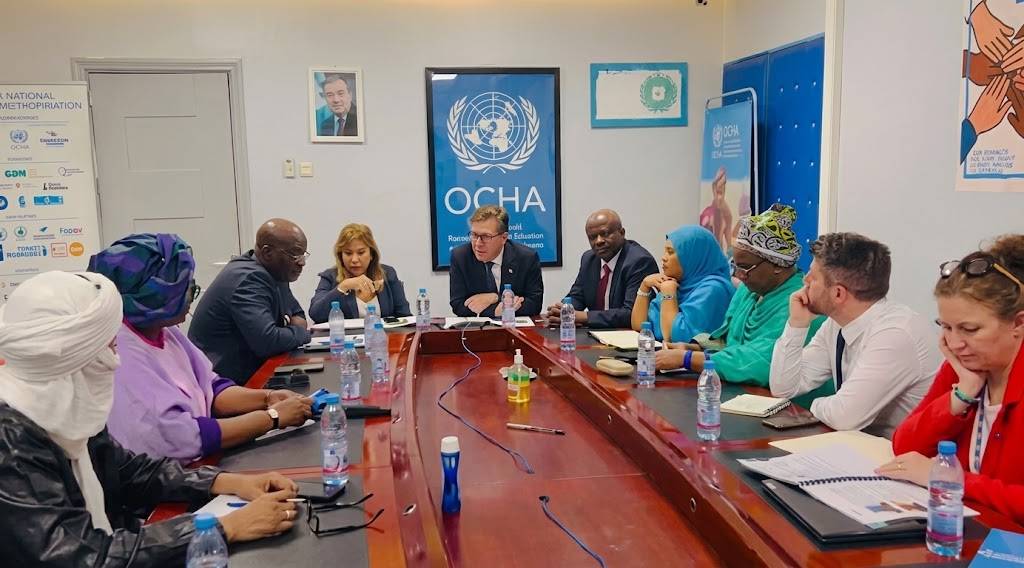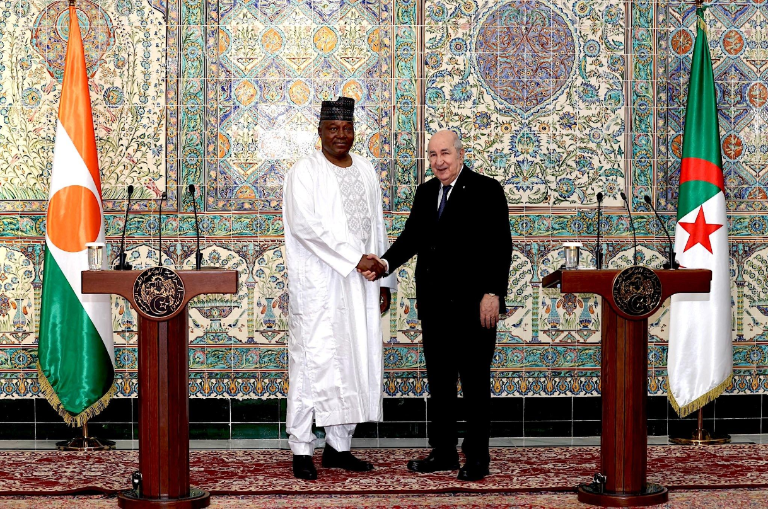
Diplomatic tensions between Niger and the European Union have reached a turning point after Niamey summoned the EU’s chargé d’affaires to address Brussels’ remarks on Algeria’s military presence in the country. The move has intensified debates about where sovereignty ends, and diplomatic dialogue begins—sparking a critical conversation about transparency versus interference in regional security matters.
Why Niamey’s diplomatic response matters
The Nigerien government took decisive action on November 9, summoning the EU representative to clarify Brussels’ public statements regarding Algeria’s troop deployment. The authorities deemed the EU’s comments “condescending and unacceptable,” framing the issue as a direct challenge to Niger’s sovereign right to determine its security partnerships.
This diplomatic confrontation raises a pivotal question: when does legitimate legal concern cross into unwarranted interference? While Niger insists on its autonomy in military cooperation, the EU argues it has every right to voice concerns about developments that could impact regional stability.
Sovereignty vs. international scrutiny: where is the line?
Under international law, the sovereignty of both Niger and Algeria is undisputed. They are free to form bilateral military agreements, align with partners, and define their own security priorities—provided they adhere to international obligations. However, sovereignty does not equate to immunity from external scrutiny.
The United Nations Charter (Article 2, Paragraph 7) protects states from coercive interference in domestic affairs. But it does not prohibit diplomatic actors from questioning, commenting, or requesting clarifications on geopolitical shifts—especially when such moves could have ripple effects beyond their borders.
Asking for details about Algeria’s military presence—its objectives, duration, command structure, and legal framework—is not an attempt to veto Niamey’s decisions. It is a request for transparency, grounded in the shared responsibility of maintaining regional security.
Regional instability fuels Brussels’ concerns
The Sahel remains one of Africa’s most fragile security zones, plagued by armed group movements, transnational threats, and weak regional cooperation mechanisms. In such a high-stakes environment, military coordination involving multiple states naturally invites international attention.
The EU has repeatedly emphasized that its concerns stem from a legitimate interest in preventing destabilization. Whether through questions about Algeria’s troop movements or broader security dynamics, Brussels positions itself as a partner rather than an adversary—advocating for dialogue over unilateral action.
This stance is not about undermining African sovereignty; it reflects a pragmatic approach to addressing shared challenges. The EU’s non-participation in bilateral agreements does not strip it of the right to express informed perspectives on matters of mutual concern.
Diplomacy in action: tone, timing, and mutual respect
While Niger has every right to defend its sovereignty, the manner in which this debate unfolds will shape future relations. A strong response does not have to equate to confrontation. Instead, it can signal a commitment to diplomatic engagement—provided it is met with proportionality and respect.
The EU, for its part, must balance its right to voice concerns with the need to foster trust. Public statements that are perceived as patronizing risk deepening divisions, whereas carefully framed inquiries can open pathways for constructive dialogue.
The key takeaway? Both parties can uphold their rights without resorting to escalation. Niger retains full authority over its military alliances, while the EU preserves its platform for diplomatic expression. The path forward lies in recognizing that transparency enhances stability—not that scrutiny diminishes sovereignty.
How this dispute could reshape Sahel diplomacy
- Stronger bilateral communication: Clearer channels between Niger, Algeria, and the EU could prevent misinterpretations and foster mutual understanding.
- Regional collaboration frameworks: A unified approach to military cooperation in the Sahel may reduce external concerns while reinforcing local ownership.
- Diplomatic protocols for inquiries: Establishing guidelines for how external actors raise concerns—without overstepping—could streamline future exchanges.
The road ahead: sovereignty with responsibility
This diplomatic crossroads underscores a fundamental truth: sovereignty and accountability are not mutually exclusive. Niger and Algeria are free to pursue their security agendas, but in doing so, they must acknowledge that their choices can reverberate across borders.
The EU’s insistence on clarity does not challenge their authority—it highlights a shared responsibility to ensure that regional stability remains intact. Moving forward, the challenge for all parties will be to engage in dialogue that strengthens both sovereignty and security—not one at the expense of the other.