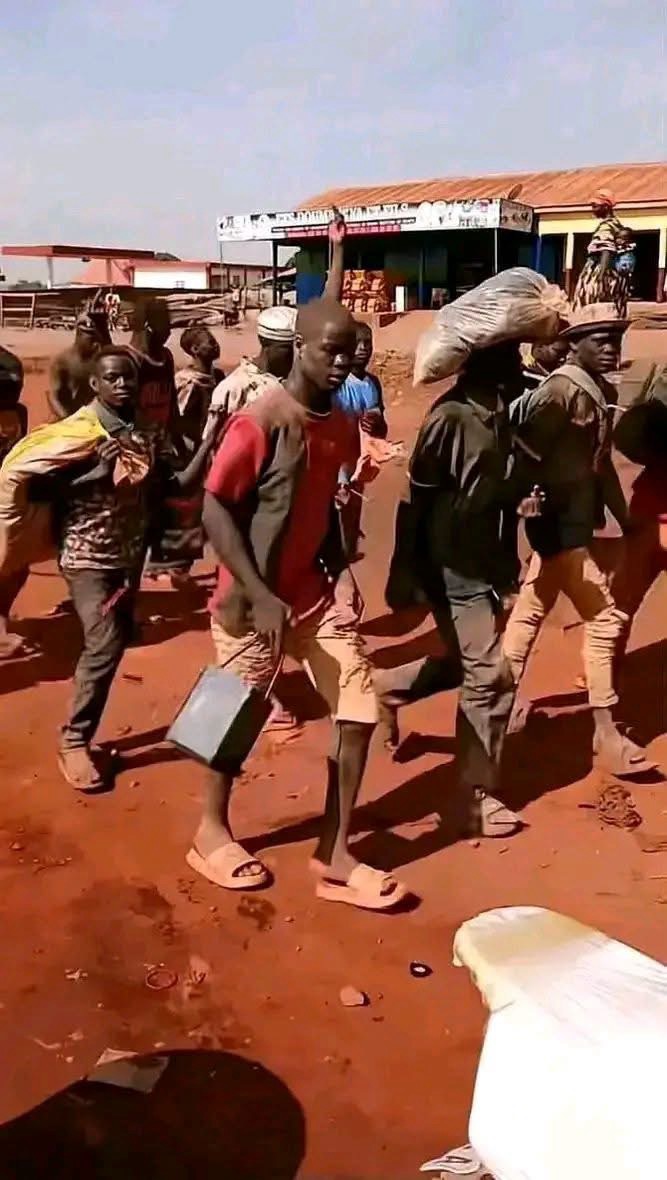
The tipping point: when exploitation of foreign lands rebounds on domestic soil
Across West Africa, unauthorized gold extraction has reached a critical juncture. Burkina Faso’s citizens, increasingly involved in clandestine mining operations beyond its borders, are reshaping transnational environmental policies. Yet the environmental toll soil erosion, water contamination, and deforestation is borne not by the miners themselves, but by communities left to cope with irreversible damage. This moment demands a fundamental shift in accountability, demanding that both individual miners and the nation reassess the long-term costs of unchecked exploitation.
Environmental damage transcends borders and leaves lasting scars
The environmental fallout from illegal gold mining stretches far beyond the point of extraction. Abandoned pits scar fertile land, mercury used in processing contaminates vital water sources, and uncontrolled deforestation disrupts local ecosystems and agricultural livelihoods. These consequences are not confined to Mali or Côte d’Ivoire the very nations where Burkina Faso’s miners operate they are a shared regional crisis. When land is destroyed elsewhere, the ripple effects ultimately undermine ecological stability across all neighboring countries, including Burkina Faso’s own future.
A shared responsibility that begins at home
Environmental responsibility cannot operate on a sliding scale. While Burkina Faso has every right to protect its citizens, it also bears a duty to enforce the environmental laws of its neighbors. When Burkinabè miners cross international borders to extract gold illegally, they undermine regional cooperation and endanger the livelihoods of communities far beyond their own. The refusal to address this issue domestically only deepens tensions and erodes trust with neighboring states at a time when sustainable regional growth is essential.
The moment for decisive action is now
If Burkina Faso truly seeks to defend its citizens, it must also champion environmental integrity. That means implementing stricter controls on mining activities, enforcing penalties for participation in illegal operations abroad, and supporting nationals repatriated after expulsion. It also means fostering a national dialogue on the long-term environmental consequences of unregulated mining because the lands of others today may well become Burkina Faso’s problem tomorrow. The time for reflection has passed; a bold policy shift is required to align national interests with regional responsibility.
What happens when the damage returns home?
The irony is stark. If illegal gold mining continues unchecked in Ghana or Togo, the environmental damage may eventually spill back into Burkina Faso through shared watersheds and migratory soil degradation. This is not hypothetical. Communities across the region are already witnessing soil degradation, water shortages, and declining agricultural yields. If Burkina Faso’s lands were to face similar exploitation in the future, how would its people react? Would they accept foreign miners destroying their fields, poisoning their rivers, and plundering their natural heritage? The principle must be universal: what is unacceptable when suffered must not be excused when perpetrated.
A call for solidarity rooted in environmental justice
Solidarity among neighboring nations must never be confused with impunity. Burkina Faso cannot demand respect for its sovereignty while allowing its citizens to violate the environmental laws of others. Environmental stewardship is not a favor granted to neighbors; it is a shared obligation. Real leadership lies in recognizing that protecting foreign soil is, in the long term, a form of self-preservation. The future of Burkina Faso’s people is inextricably linked to the ecological health of the entire region. That is the turning point one that demands both justice and foresight.
By François Mvondo — Journalist