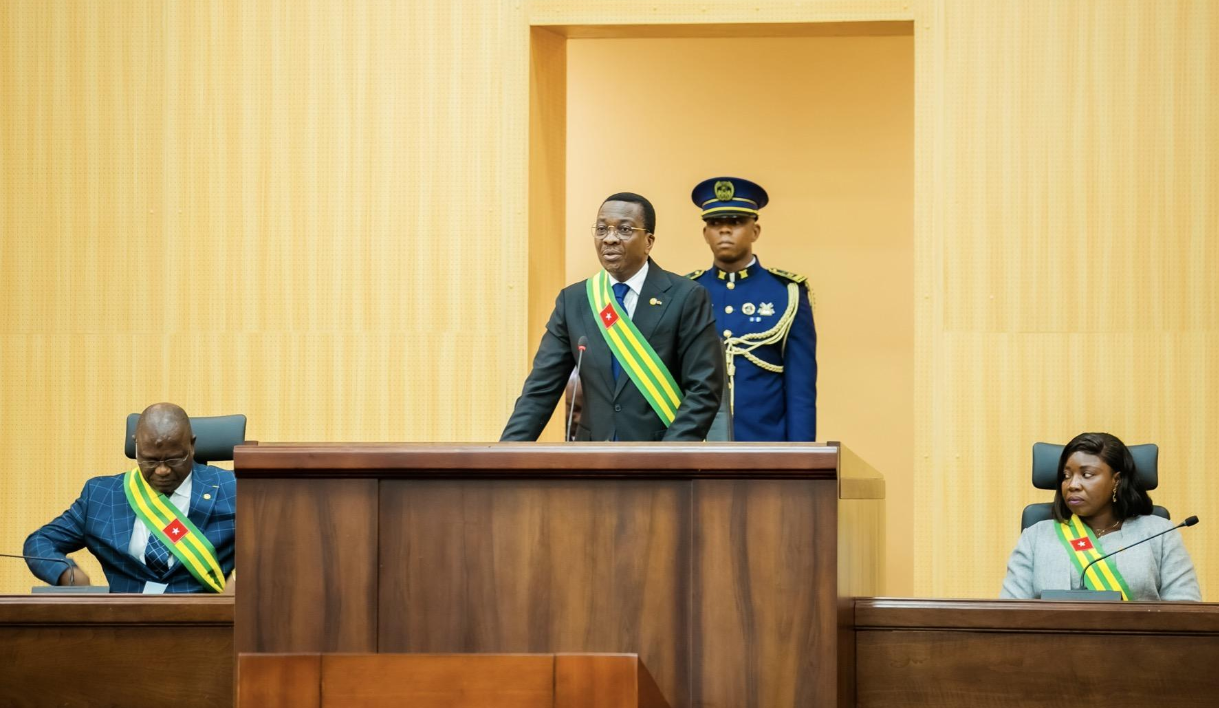
The Togolese government is at a pivotal juncture as the ECOWAS Court of Justice ramps up its scrutiny of the country’s 2024 constitutional reforms. A recent letter from the court, dated October 23, 2026, demands that Lomé outline concrete steps to comply with a landmark January 2026 ruling—one that exposed deep fissures in the nation’s democratic foundations.
This legal push reignites debates over power consolidation under President Faure Gnassingbé, the sustainability of Togo’s parliamentary shift, and its diplomatic flirtations with the Alliance of Sahel States (AES). As regional blocs like ECOWAS tighten their standards for democratic governance, the pressure on Lomé has never been more intense. Will Togo seize this moment to align with regional expectations, or double down on a system that critics argue prioritizes control over accountability?
ECOWAS’s legal pressure takes center stage
The October 2026 correspondence arrives nearly nine months after the ECOWAS Court issued a scathing judgment in the case involving the Togolese Human Rights League (LTDH) and 12 other plaintiffs. The ruling found Togo in breach of Article 23 of the African Charter on Democracy, Elections, and Governance, citing failures to uphold democratic principles in its constitutional overhaul.
While the court did not annul the 2024 Constitution—nor mandate a return to the former presidential system—the decision underscored Lomé’s obligations to future institutional reforms. The October letter, invoking Article 24 of the Court’s Additional Act, requires the Togolese government to detail its compliance strategy, forcing a reckoning over whether President Gnassingbé’s administration intends to honor its regional commitments.
From parliamentary experiment to democratic tightrope
The 2024 constitutional shake-up was marketed as a modernizing leap: a parliamentary republic replacing the long-standing presidential model. Yet the transition stripped the presidency of key executive powers, transferring authority to a new Council of Ministers President—a role Faure Gnassingbé assumed in May 2025.
To critics, this was not reform but institutional camouflage. By anchoring executive leadership in parliamentary majorities, the system risks entrenching one-party dominance under the guise of systemic change. Opposition factions and civil society groups argue that the veneer of constitutionalism obscures a persistent concentration of power, one that sidesteps the electorate’s direct mandate.
Diplomatic gambles with controversial regional bedfellows
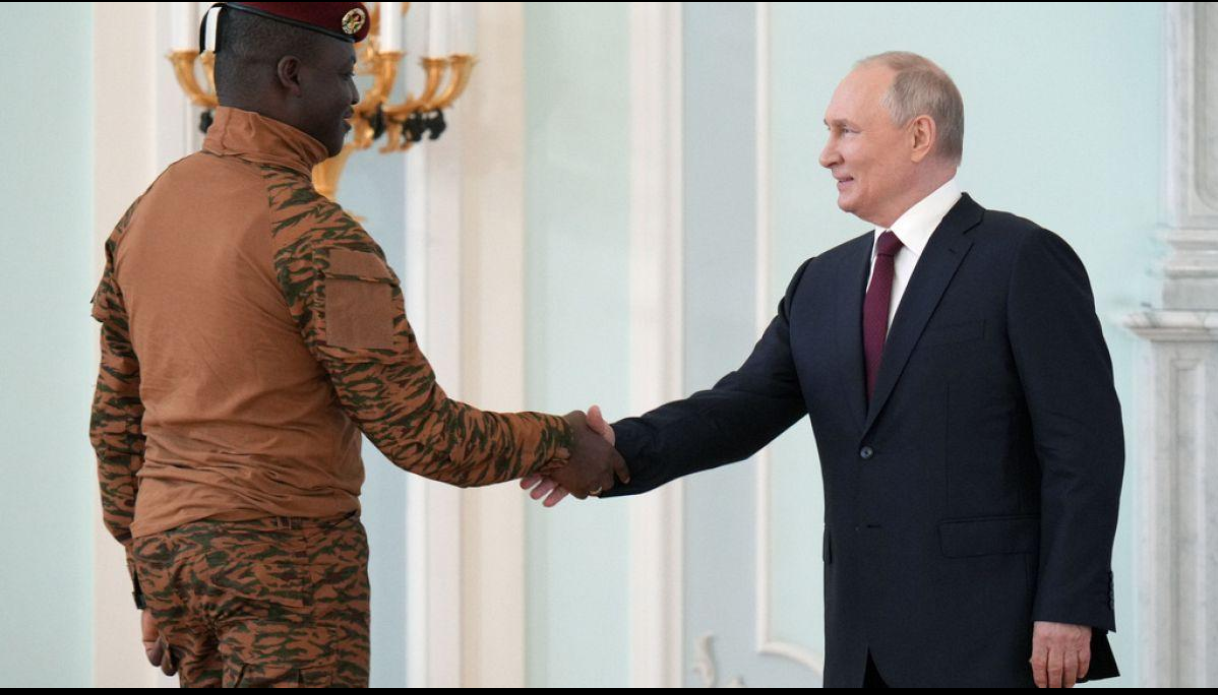
The constitutional debate has taken an unexpected turn with Togo’s strategic pivot toward the AES—the military-led bloc comprising Burkina Faso, Mali, and Niger. Since early 2025, Lomé has signaled openness to deeper ties, citing goals like regional stability and dialogue between ECOWAS and AES.
Yet this rapprochement raises eyebrows. While Togo remains an ECOWAS member, its alignment with juntas that have suspended constitutions, rolled back civic freedoms, and challenged regional norms spotlights a stark contradiction. Both Lomé and the AES regimes share a common thread: governance models where power rests on centralized authority and diminished checks and balances.
For ECOWAS, this convergence is particularly problematic. The bloc has repeatedly condemned unconstitutional power grabs in the Sahel, yet now faces a member state cozying up to the very regimes it has censured. The question lingers: Is Togo positioning itself as a bridge-builder, or silently normalizing anti-democratic trends under the guise of pragmatic diplomacy?
Gnassingbé’s balancing act: Compliance or confrontation?
The government’s response to the ECOWAS Court carries weight far beyond legal technicalities. It speaks to Togo’s broader credibility within ECOWAS and its ability to reconcile domestic expectations with regional obligations. With no indication that the 2024 Constitution will be overturned, the focus shifts to whether Lomé will implement meaningful democratic safeguards in future institutional changes.
For President Gnassingbé, the stakes are high. A failure to address the court’s concerns could deepen political fissures at home, where opposition voices amplify calls for genuine democratic renewal. Conversely, a full-throated commitment to ECOWAS standards might alienate allies within the AES, forcing a perilous choice between regional cohesion and domestic power retention.
As West Africa grapples with a fragmented political landscape, where military regimes, disputed transitions, and eroding democratic norms collide, Togo’s next moves will serve as a critical case study. Will it redefine its trajectory toward accountability? Or will it double down on a model that, while legally dressed in constitutional clothing, risks perpetuating the very centralization of power its critics decry?
One thing is clear: The October 2026 letter from the ECOWAS Court is not just a bureaucratic formality—it’s an inflection point. The government’s reply will reveal whether Lomé is ready to turn a new page or remain locked in a cycle of institutional standoffs.