Benin has reached a decisive milestone in its energy transformation journey with the financial closure of its IPP50 solar project. The government’s commitment to reducing import dependency while boosting domestic production has culminated in a $45 million investment for four new solar photovoltaic plants across strategic cities. This move signals a strategic pivot toward energy sovereignty and economic resilience.
The nation’s energy landscape undergoes a major shift
As electricity demand surges with urbanization and industrial growth, Benin’s energy infrastructure finds itself at a critical juncture. The IPP50 project, with its four solar installations in Natitingou, Djougou, Parakou, and Bohicon, marks a significant stride in diversifying energy sources. The 62 MW peak capacity plants will generate 110 GWh annually once operational in 2028, potentially increasing national production by 17% in the 2028-2035 period.
This initiative follows a concerted effort to bolster energy security through renewable sources. The completion of the Illoulofin solar farm in Pobè, with its 50 MW capacity, exemplifies Benin’s commitment to integrating renewable energy into its grid. The strategic addition of thermal capacity at Maria-Gléta further stabilizes the energy mix by reducing reliance on a single generation type.
A geographic and economic game-changer
The decentralized approach of installing solar farms in Natitingou, Djougou, Parakou, and Bohicon reflects a forward-thinking strategy to support regional development. These installations will serve approximately 383,000 people, providing renewable electricity that could transform local economies.
For businesses, the benefits are particularly pronounced. Reliable electricity access can lower production costs, improve competitiveness, and attract new investment. Small-scale traders, artisans, and agro-processors stand to gain from reduced spoilage and enhanced operational efficiency. The project’s impact extends beyond individual gains, fostering conditions for industrialization and job creation across the country.
Breaking the cycle of energy imports
Benin’s dependence on imported electricity has long posed challenges, exposing the nation to regional supply fluctuations and market volatility. The IPP50 project represents a crucial step in mitigating this vulnerability by increasing domestic production capacity.
The financial implications of reduced imports are substantial. Over time, the new plants could lower the country’s energy import bills, freeing up resources for other developmental priorities. However, energy security extends beyond production levels. Ensuring robust transmission infrastructure, reliable distribution networks, and adequate storage solutions will be vital to maximizing the project’s potential.
A financing model that builds investor confidence
The $30 million financing secured for IPP50 primarily through AXIAN Energy, the Benin Caisse des Dépôts et Consignations, the International Finance Corporation (IFC), and Proparco demonstrates strong international backing for the project. The IFC’s involvement through the Clean Technology Fund underscores the initiative’s alignment with global sustainability goals.
As Benin’s first large-scale independent power producer (IPP) solar project, IPP50 sets a precedent for private-sector participation in the energy sector. The public-private partnership framework allows for significant capital mobilization while ensuring state oversight through concession agreements and power purchase contracts with the Société béninoise de production d’électricité (SBPE). This model not only accelerates infrastructure development but also spreads risk among stakeholders.
Environmental benefits that align with global goals
The project’s environmental advantages are substantial. Producing 110 GWh of renewable energy annually will avoid an estimated 62,000 tons of CO₂ emissions, aligning with Benin’s commitments under the National Energy Pact. This pact aims to achieve a 70% electrification rate, increase renewable energy’s share to 30% of the energy mix, and connect an additional 928,000 households by 2030.
Solar energy’s prominence in Benin’s strategy reflects the nation’s potential to harness abundant natural resources. By diversifying its energy portfolio, Benin not only strengthens its economic resilience but also contributes to global climate objectives.
From financing to operation: the road ahead
While financial closure is a critical achievement, the real test lies in execution. The first quarter of 2028 is the target for commercial commissioning of the four plants. Success will depend on several factors: timely project completion, adherence to financial commitments, seamless grid integration, and sustainable operational management.
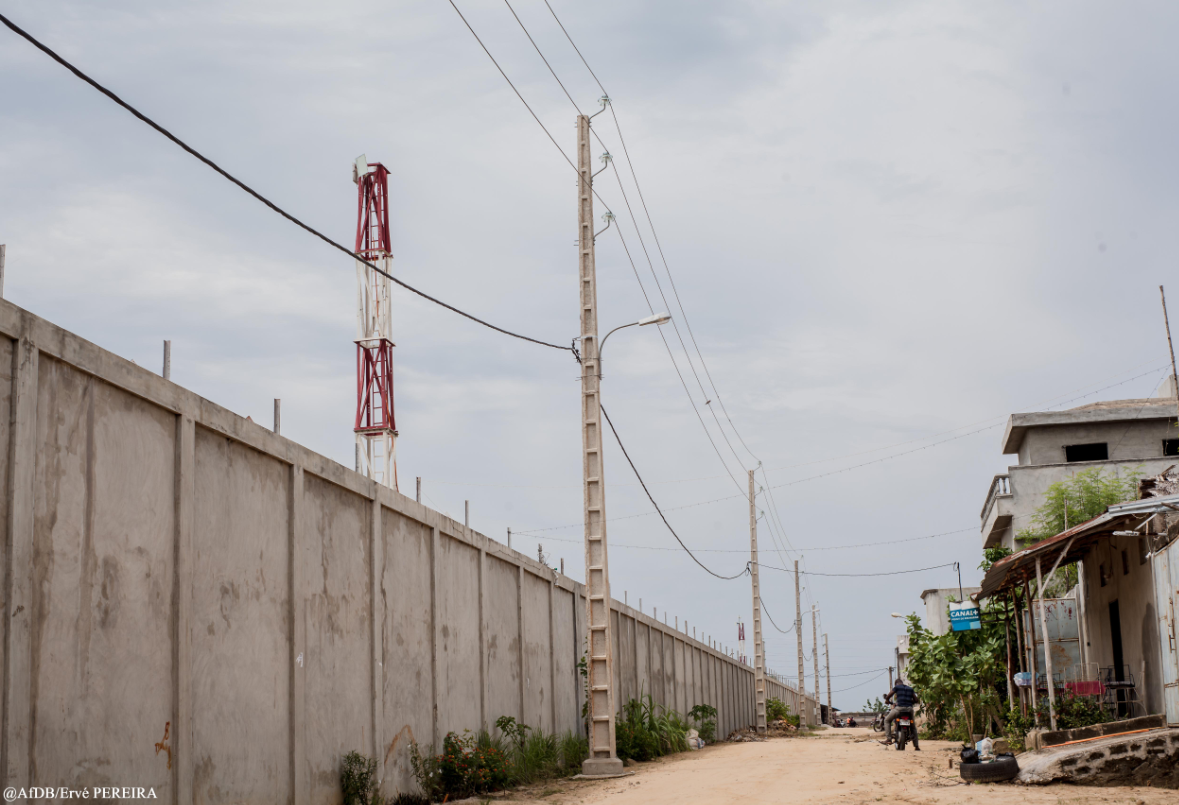
Equally crucial will be the capacity of Benin’s transmission and distribution networks to handle the additional load. Producing more electricity is only half the battle; effectively delivering it to consumers, industries, and rural communities will define the project’s long-term success.
Benin’s energy strategy: building a foundation for the future
IPP50 is not an isolated endeavor but part of a broader strategy to transform Benin’s energy landscape. With prior investments in solar and thermal plants, the nation is steadily reducing import dependency and enhancing its energy resilience.
The $29.5 billion franc CFA ($45 million) allocation for these four solar plants underscores the government’s dedication to creating a robust, sustainable energy framework. The anticipated benefits 110 GWh of renewable energy annually, enhanced energy access for 383,000 people, and reduced import costs highlight the project’s far-reaching economic and social impact.
Ultimately, Benin’s energy transition is about more than just adding capacity. It’s about laying the groundwork for industrialization, economic diversification, and improved living standards. By securing energy independence, the nation is poised to unlock new opportunities for growth and prosperity for its people.
With IPP50, Benin is not just turning a page in its energy story it is writing a new chapter of resilience and progress.
By Thérèse Nguimfack — Journalist