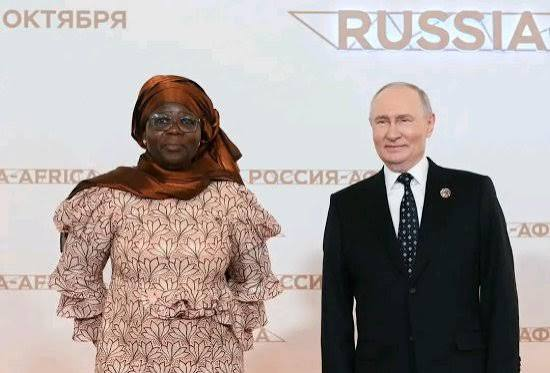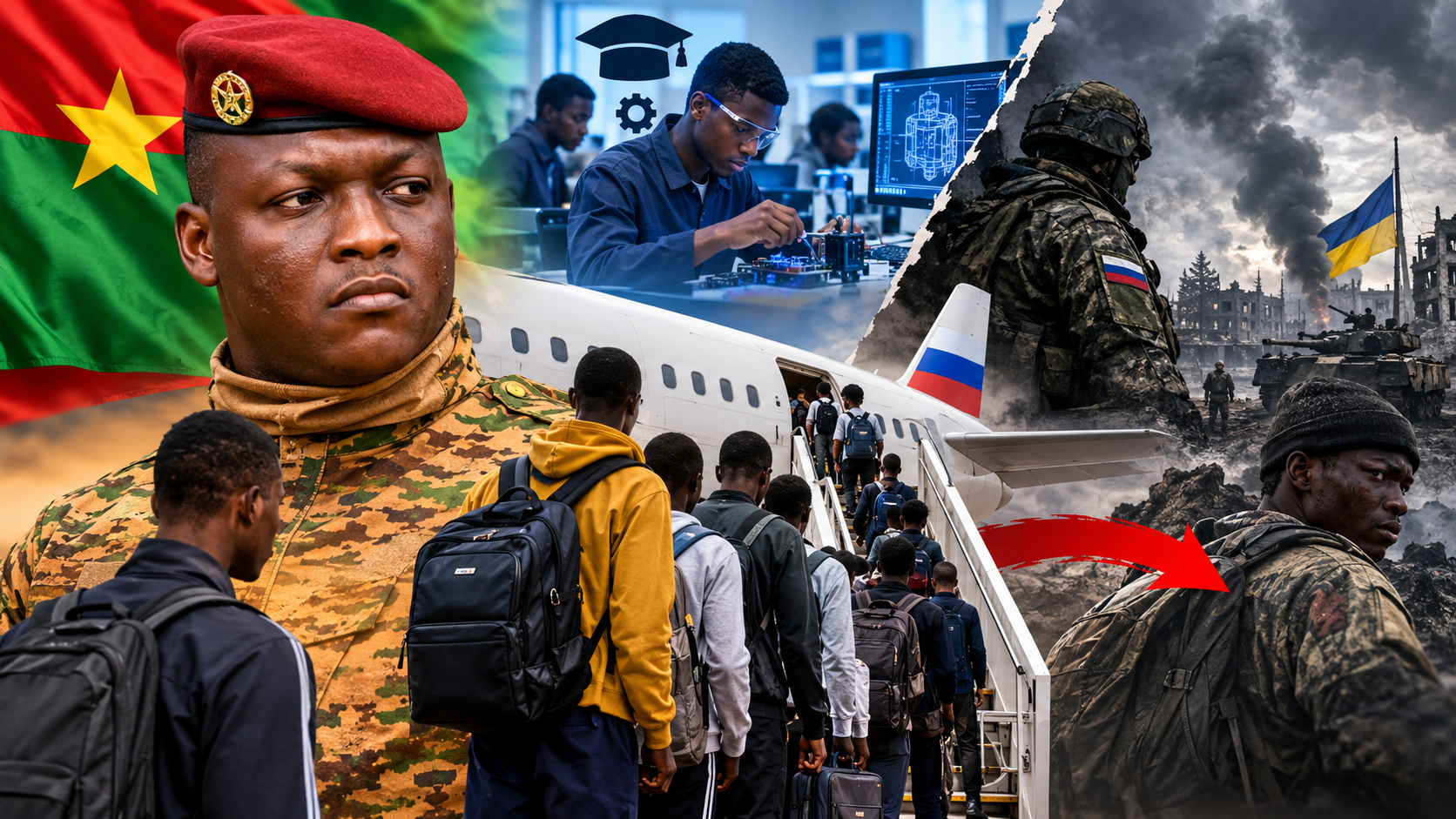
In a sweeping policy reversal, Burkina Faso’s military leadership is poised to dispatch a cohort of young citizens to Russia for advanced technical training. But beneath the surface of an ambitious state-driven initiative lies a critical turning point and a potential miscalculation with life-altering consequences for the students involved.
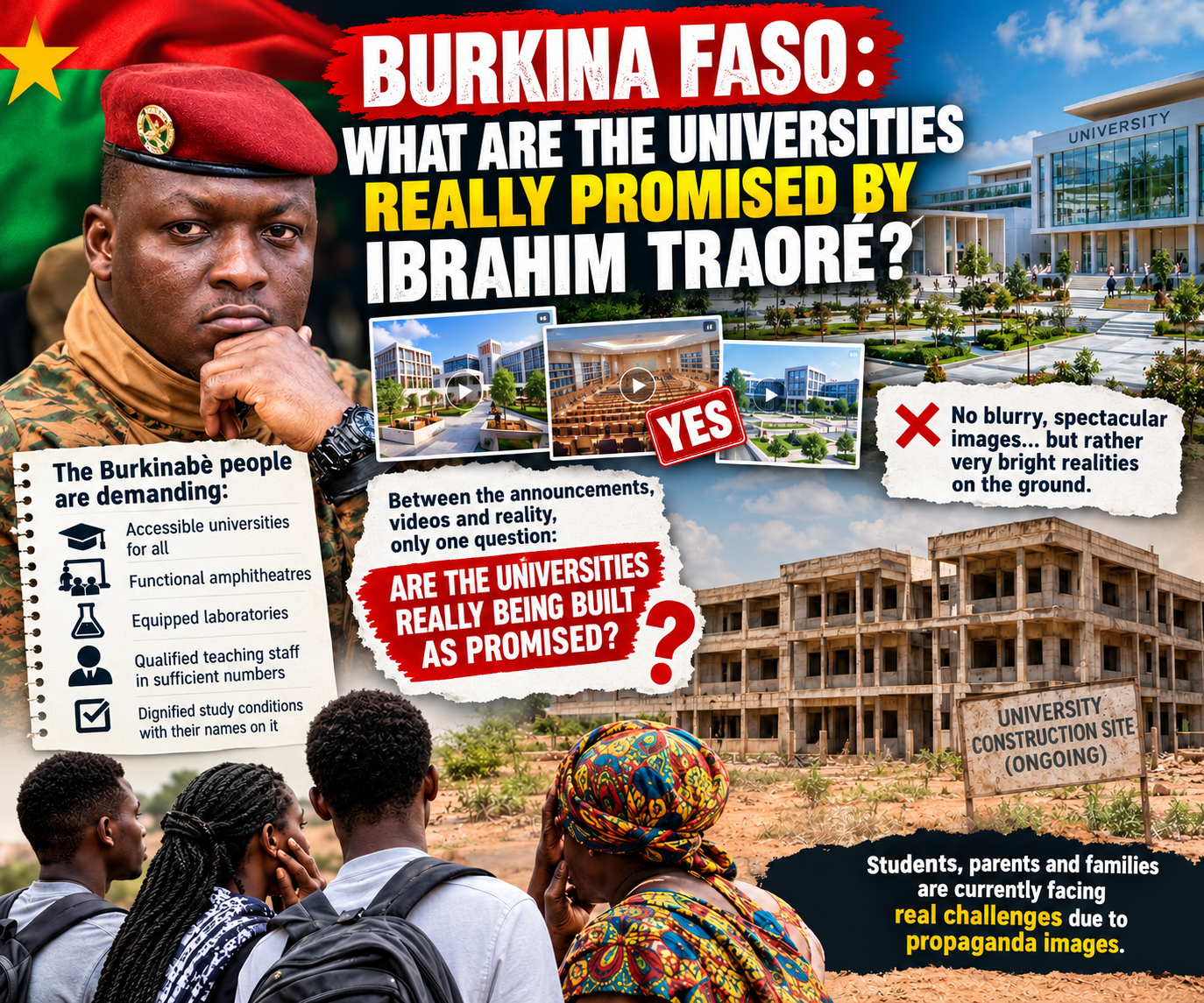
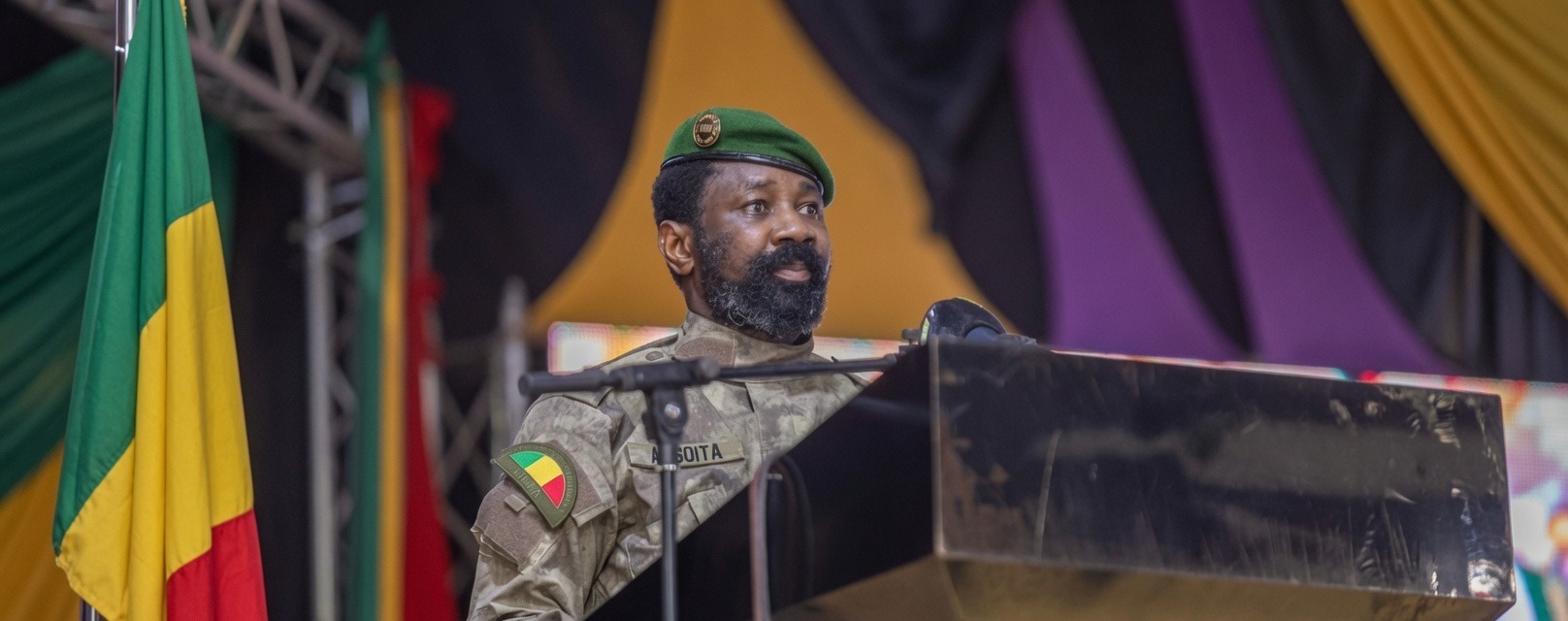
Once hailed as a champion of national self-reliance in education, Captain Ibrahim Traoré now finds himself at the center of a controversy that challenges both his stated vision and the safety of the youth he claims to empower. The move to send young Burkinabè to Moscow’s classrooms and workshops raises urgent questions: are these young people being prepared for technological leadership, or for something far more perilous on the battlefields of Ukraine?
From self-reliance to foreign dependency in one policy shift
The decision marks a stark departure from Traoré’s earlier stance on national development. Not long ago, he championed sovereign education a pledge to invest in Burkina Faso’s own universities, technical schools, and research centers to cultivate homegrown expertise. His 2023 declarations emphasized building technological capacity within national borders, empowering young engineers, scientists, and technicians to contribute directly to the country’s economic and industrial future.
Yet today, the government’s about-face suggests that foreign expertise specifically in Russia is now deemed essential. Officials speak of sending Burkinabè youth for “cutting-edge” training in aerospace, cybersecurity, and energy systems. But with no clear roadmap, no public agreement on program duration, and no guarantee of job placement upon return, the initiative risks becoming a leap into the unknown.
This shift is not merely rhetorical it is operational. And it demands scrutiny: if the capacity to train highly skilled professionals exists abroad, why is it unavailable at home? More critically, what safeguards are in place to prevent these young citizens from becoming collateral in a distant war?
War-torn Russia: a classroom or a battleground?
Russia’s ongoing invasion of Ukraine has reshaped the country into one of the world’s most militarized education environments. While universities and technical institutes remain operational in theory, the Russian state has increasingly integrated foreign students into its broader security ecosystem through conscription laws, paramilitary programs, and opaque recruitment networks.
Recent cases from across Africa have exposed a disturbing pattern: foreign students lured to Russia under the guise of vocational or academic training have later been intercepted by military authorities, coerced into service, or disappeared into conflict zones. Testimonies from Mali, Central African Republic, and other nations reveal a sinister pipeline where promises of diplomas and careers give way to battlefield assignments.
For Burkinabè families, the fear is not hypothetical. It is grounded in documented precedent. The question, then, is not whether such risks exist but whether the Burkina Faso government has taken concrete steps to neutralize them.
The unanswered questions behind the policy
The initiative’s success hinges on transparency. Yet key details remain conspicuously absent:
Scope of the program: How many young people are involved? Are they volunteers, conscripts, or a mix?
Nature of training: Will students receive academic degrees, vocational certificates, or paramilitary instruction?
Legal protections: Has Burkina Faso negotiated bilateral agreements with Russia to guarantee the safety and repatriation of its citizens?
Monitoring mechanisms: Are there independent oversight bodies or consular checks to prevent forced enlistment?
Accountability: What recourse exists if a student is coerced into military service?
Without these assurances, the government’s narrative that this is purely about technological empowerment lacks credibility. Worse, it risks becoming a euphemism for a far darker reality.
A turning point for Burkina Faso’s youth and its leadership
This policy marks more than a change in training location it reflects a broader inflection point in Burkina Faso’s political and social trajectory. Traoré’s government must reconcile its earlier rhetoric of homegrown development with today’s reliance on foreign institutions steeped in war.
The burden of proof rests on Bamako Road. Families deserve clarity. Students deserve safety. And the nation deserves leadership that prioritizes human dignity over geopolitical expedience. Sending young people into a war zone under the banner of education is not nation-building it is a gamble with incalculable human cost.
In the end, the true measure of this initiative will not be measured in megahertz, megawatts, or missile technology but in the fates of the young Burkinabè who are being asked to trust their government with their futures.
By Thérèse Nguimfack — Journalist