Burkina Faso stands at a decisive turning point in its sporting ambitions with the upcoming 15,000-seat stadium in Koudougou. Announced under the Presidential Initiative for the Rise and Promotion of Sporting Elites (IP-RELIS), this landmark project promises to reshape the country’s sports landscape—but only if the momentum continues. Yet, a critical question looms: where is the funding coming from? As construction milestones approach, public scrutiny intensifies over the financial blueprint behind this landmark investment.
The project gains traction, but the financial roadmap remains unclear
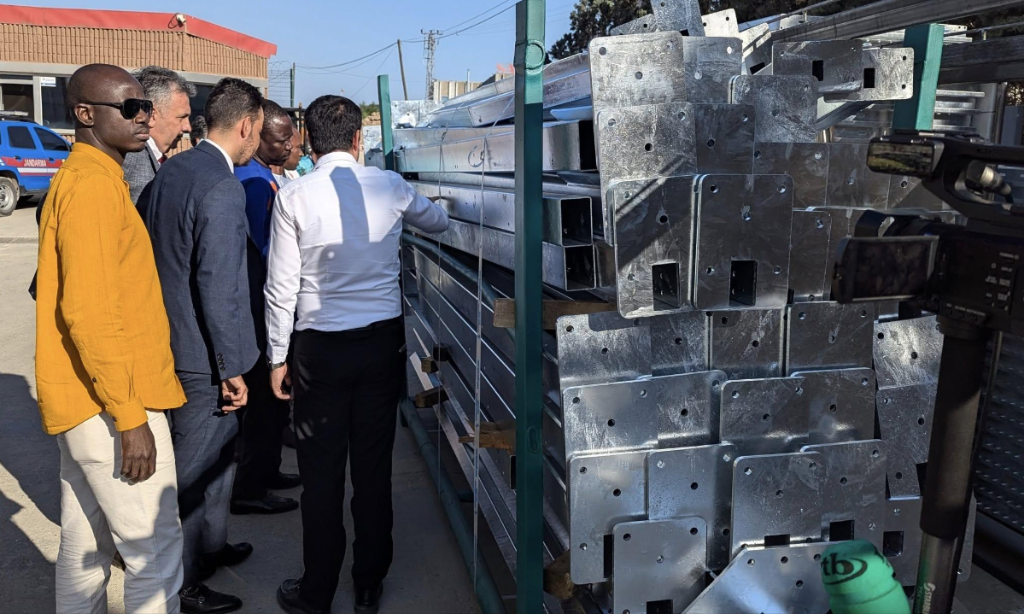
Touted as a cornerstone of Burkina Faso’s sports infrastructure expansion, the Koudougou stadium project aims to bolster local talent development and elevate the country’s sporting profile. With an official visit to the construction site already conducted in October 2026, the project’s execution appears imminent—yet the financial puzzle remains unsolved. Authorities have not disclosed the estimated total cost, the breakdown of funding sources, or whether international partners will contribute.
As the nation watches, the lack of transparency raises concerns: Will this be a fully public-funded initiative? Could a foreign investor or international financial institution be involved? Without accessible financial documents or official declarations, the public is left speculating—and waiting for answers.
Integral Sport steps in: what’s their real role in the funding puzzle?
The Turkish construction giant Integral Sport—already tasked with building the 15,000-seat stadium in Bobo-Dioulasso’s Léguéma district—has been named as the lead contractor for the Koudougou project. But while Integral Sport’s involvement is confirmed, their financial stake remains ambiguous. Are they merely executing a government-funded contract, or are they part of a broader financing arrangement?
The distinction matters. If the company is solely providing construction services under a public tender, the state bears the financial responsibility. If, however, Integral Sport or external financiers are contributing capital, this could reshape the project’s economic impact on Burkina Faso’s budget.
Without access to the signed contract or detailed financing terms, the public cannot determine the true funding mechanism—which leaves room for misinterpretation.
Faso Mêbo and the state: dividing responsibilities from financing
The Agence Faso Mêbo, a government body overseeing sports infrastructure, is slated to collaborate on the project. While Faso Mêbo’s operational role is clear, its financial contribution is not. Will the agency contribute through in-kind resources, direct funding, or logistical support? Similarly, the state’s involvement under the IP-RELIS initiative does not automatically imply full budgetary coverage.
To clarify the financial structure, authorities must disclose:
- The total projected cost of the stadium
- Whether funding is solely domestic or includes foreign participation
- The official contract value and payment schedules
- The respective financial commitments of Integral Sport, Faso Mêbo, and the state
Until these details surface, the public cannot assess the project’s sustainability or its potential burden on national resources.
Why transparency in funding matters for Burkina Faso’s sports future
Large-scale infrastructure projects like Koudougou’s stadium carry long-term implications for public trust and financial accountability. When citizens demand clarity on how public funds—or even private investments—are deployed, it is not just about curiosity; it’s about ensuring value for money and preventing mismanagement.
Releasing key financial documents would allow stakeholders to:
- Verify the project’s economic feasibility
- Assess whether international partnerships offer favorable terms
- Hold responsible parties accountable for budget adherence
- Evaluate the stadium’s potential return on investment for local sports and tourism
Transparency isn’t just a demand—it’s a necessity for a project meant to inspire national pride.
What’s next? The call for official disclosures
The Ministry of Sports, IP-RELIS leadership, Faso Mêbo, and Integral Sport hold the keys to resolving the funding ambiguity. Their next steps should include:
- Publishing the signed construction contract and its financial terms
- Clarifying the role of foreign investors or financial institutions
- Releasing a detailed budget breakdown and funding timeline
- Providing a public explanation of the procurement process
The people of Burkina Faso deserve to know whether this stadium is a nationally funded vision or an externally leveraged opportunity—and at what cost.
From announcement to action: when words meet budgets
The Koudougou stadium is more than bricks and mortar—it’s a symbol of Burkina Faso’s sports ambitions. But ambition without a clear financial foundation risks stalling progress. The turning point has arrived: will the project’s funding become a source of pride or controversy? Only time—and transparency—will tell.