From digital promise to concrete action: how Burkina Faso’s university revolution is reshaping education
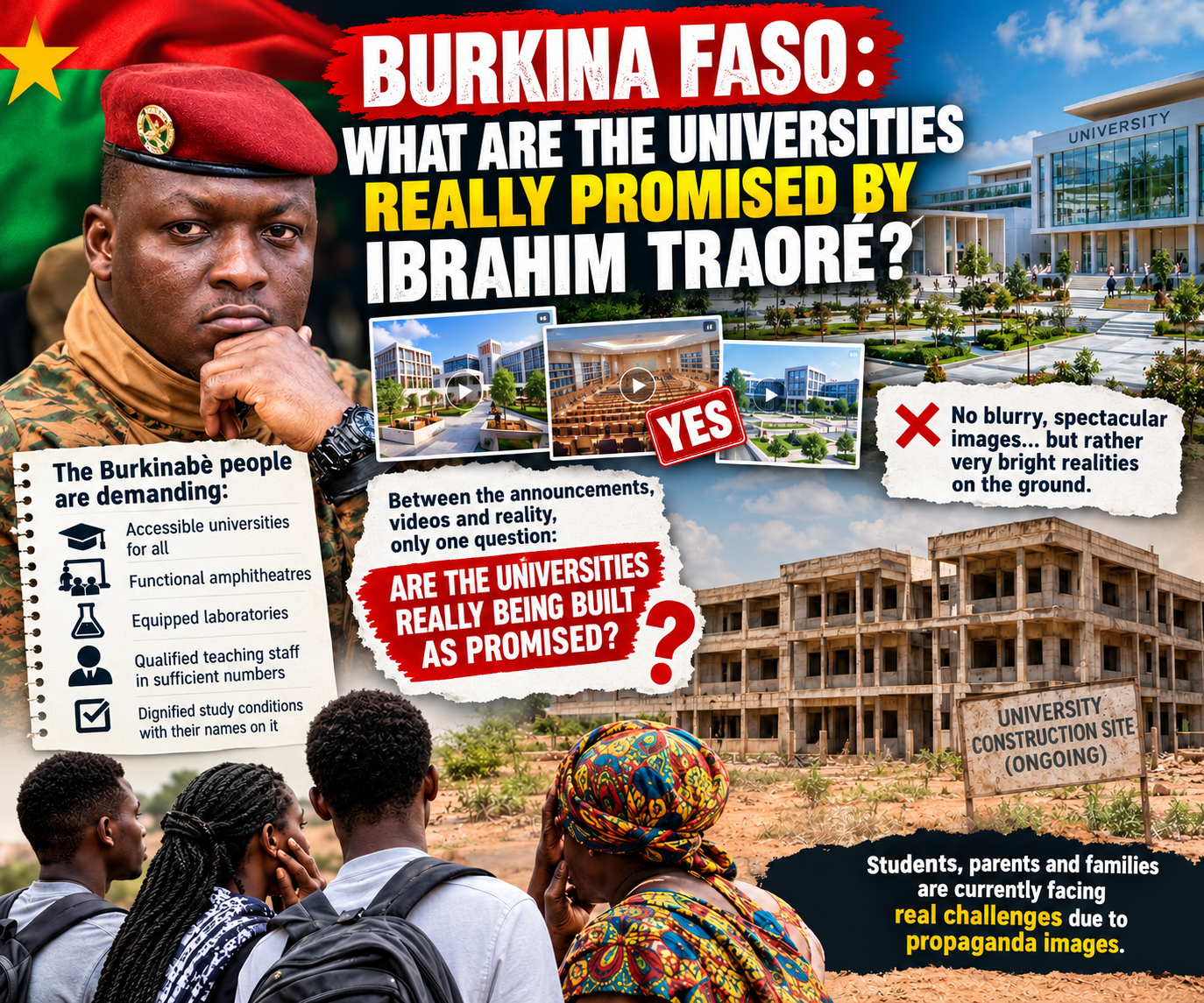
Amid a surge in digital content celebrating government initiatives, a critical question emerges in Burkina Faso’s higher education landscape: which of the promised ultramodern universities have actually materialized, and what tangible progress has been made for students and families? The shift from online spectacle to real-world impact marks a pivotal moment in the country’s educational transformation.
What visible progress exists beyond social media imagery?
For the families investing their life savings in their children’s education, and for the students themselves, the images flooding social platforms are no substitute for functional institutions. Real progress demands accessible campuses, fully equipped lecture halls, operational laboratories, sufficient faculty, and dignified learning environments. Yet the gap between digital representation and ground reality remains a persistent concern.
The challenge is compounded by the rise of AI-generated content and manipulated media, which have blurred the line between fact and fabrication in national discourse. While some viral videos presented as showcasing Burkinabè infrastructure were later traced to projects in Algeria, the broader issue persists: how can the public distinguish authentic development from staged or digitally altered portrayals?
Announcements without action: a familiar pattern in education policy
Political announcements in education often outpace actual delivery. A project can be declared complete before construction even begins. A building can be inaugurated while lacking essential equipment, staff, or student capacity. For families making long-term educational investments, the difference between a promise and a realized university can mean years of lost opportunity for their children.
To move from rhetoric to reality, a credible accounting is essential. This includes clear data on how many institutions were announced, how many are under construction, how many are operational, and what resources have been allocated for their long-term functioning. Parents and students deserve transparency, not symbolic gestures.
AI and the erosion of trust in public communication
The proliferation of AI-generated videos and deepfake content has intensified concerns about misinformation in governance. When a widely shared video portrays a nonexistent or foreign project as a government achievement, it undermines public trust and distorts public perception. While not every misleading video is directly attributable to the state, the government’s response whether through rebuttal, verification, or enabling independent scrutiny will determine its credibility.
In Burkina Faso, the stakes are high. Educational infrastructure is not a matter of aesthetics; it is the foundation of national development. When public communication prioritizes impression over implementation, the consequences ripple through generations.
Verified progress: what has actually been built?
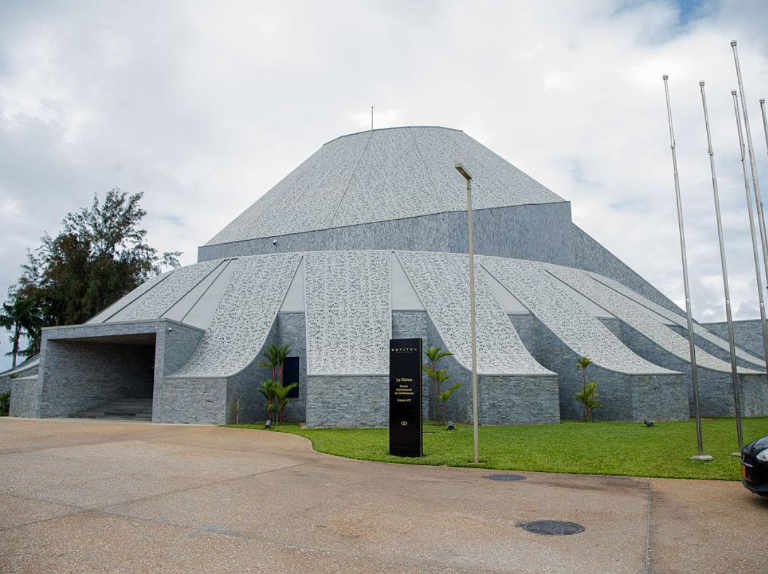
Official reports confirm the inauguration of key facilities, including a 1,200-seat auditorium, four 210-seat lecture halls, and six laboratories at the Nazi-Boni University in Bobo-Dioulasso, as part of the Presidential Initiative for Quality Education for All. While these developments represent tangible steps forward, they must be evaluated beyond ribbon-cutting ceremonies.
Critical follow-up questions remain unanswered: Are these facilities fully operational? What is their student enrollment capacity? Have the laboratories been equipped with necessary technology and staff? And crucially, what are the timelines and budgets for completing other announced projects across the country?
A call for accountability: moving beyond visual spectacle
The credibility of a government’s educational policy should not be measured by the number of likes on a video, but by the number of students enrolling in functional institutions, the number of qualified instructors teaching in modern classrooms, and the number of families who can see real, lasting benefits in their children’s futures.
Burkina Faso stands at a turning point. The choice is between sustaining a cycle of announcements and images or committing to verifiable, student-centered progress. For the nation’s youth, the stakes could not be higher.
What comes next: transparency as the foundation of trust
The path forward requires clear benchmarks, regular progress reports, and access for journalists and civil society to verify claims. Only then can the public assess whether the educational revolution promised by Burkina Faso’s leadership is truly underway or merely an evolving digital illusion.
By Thérèse Nguimfack — Journalist