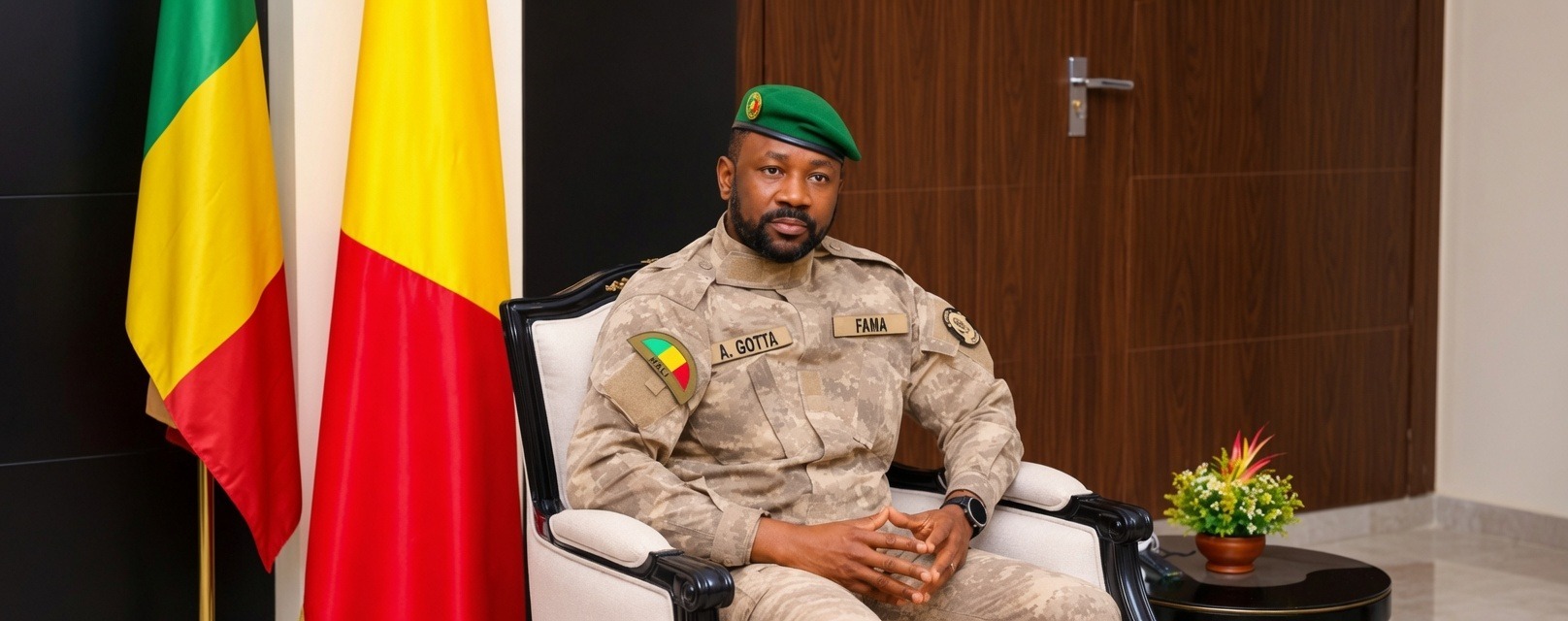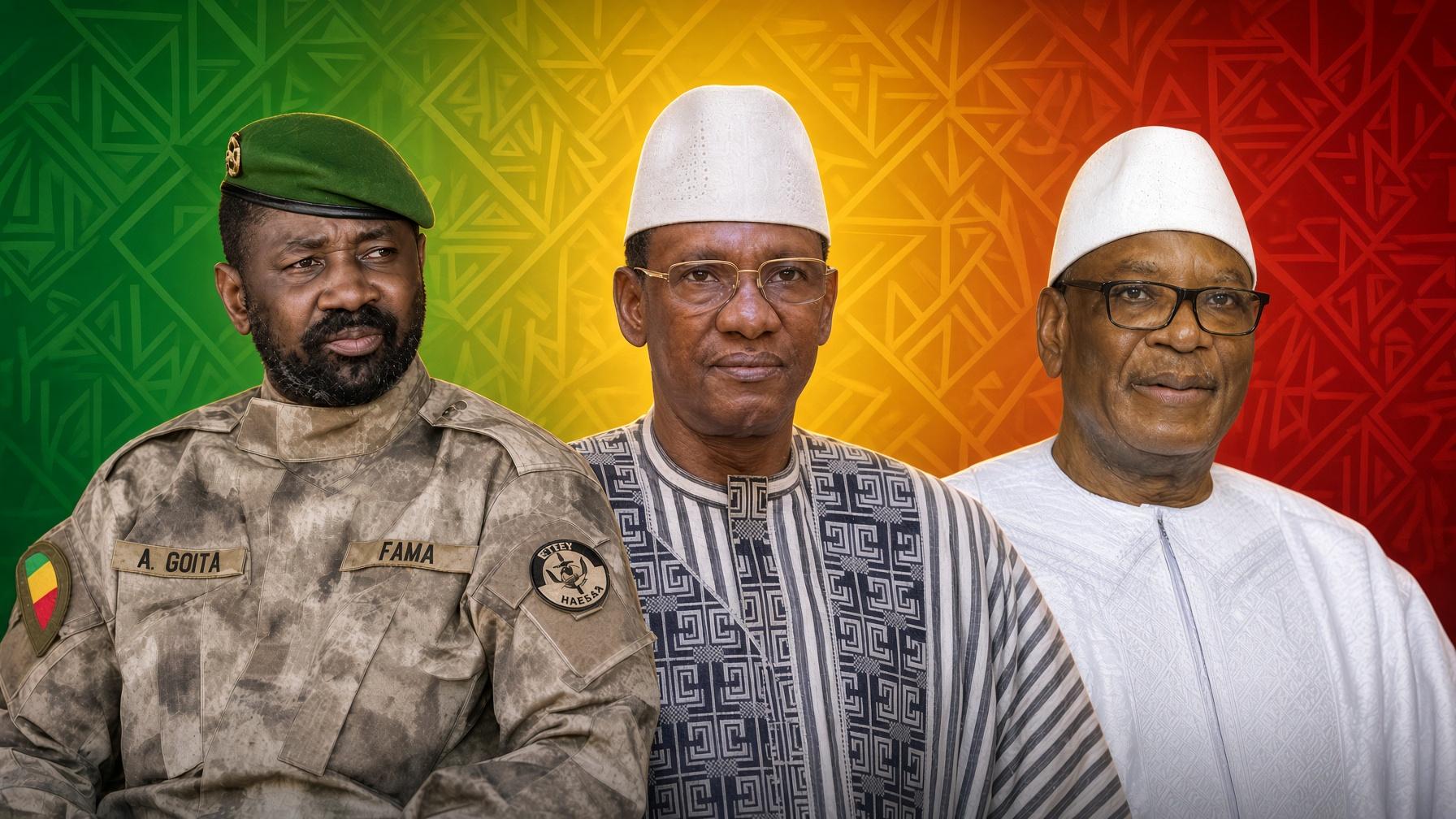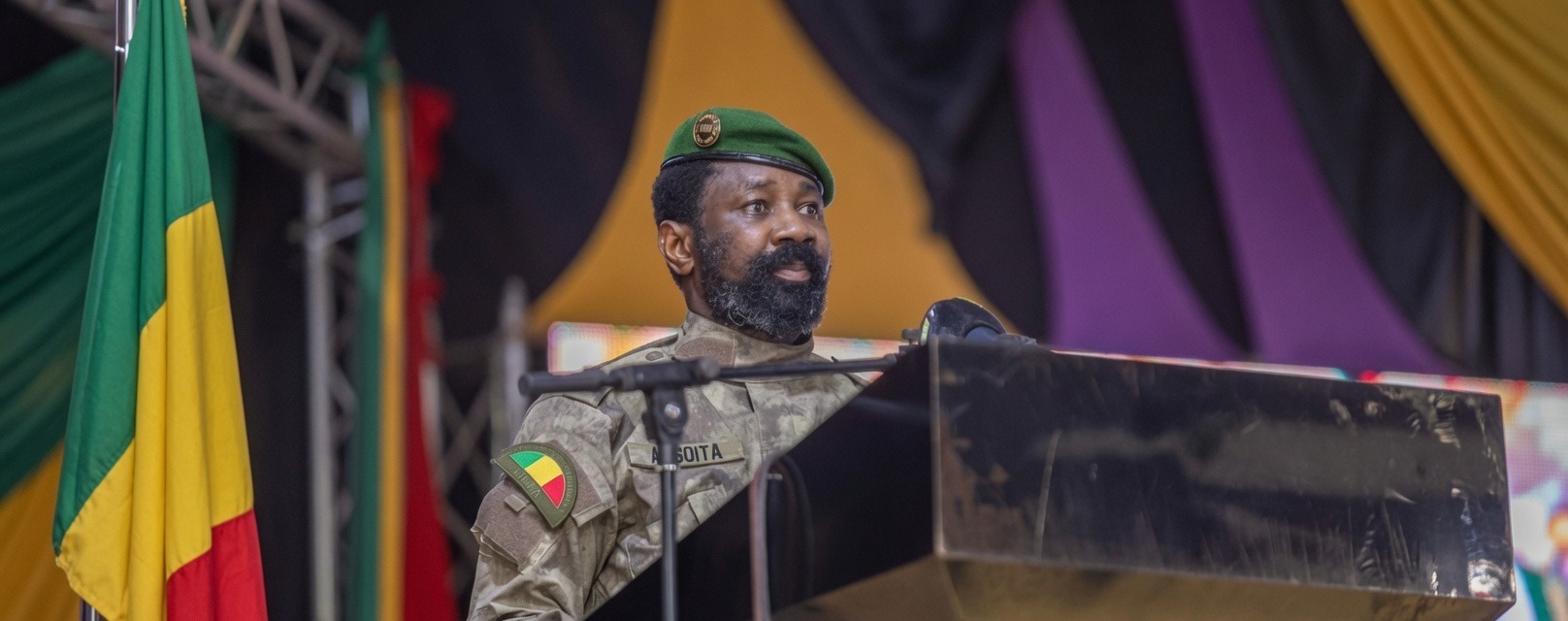
The Malian junta’s bold promise of a military-led counterterrorism surge was meant to herald a new era of security. But beneath the triumphant communiqués and declarations of restored sovereignty lies a far grimmer reality. In their relentless pursuit of armed groups, the Malian Armed Forces (FAMa) and their Russian-backed Africa Corps allies are systematically violating international law, turning the war on terror into a daily nightmare for civilians caught in the crossfire.
From legal commitments to brutal impunity: the erosion of wartime protections
Mali isn’t starting from scratch in its fight against terrorism. The country has long been bound by international human rights commitments, including the Geneva Conventions ratified in 1965 and their Additional Protocols adopted in 1989, which explicitly govern non-international armed conflicts. These frameworks require clear distinctions between combatants and civilians, the prohibition of degrading treatment, and the protection of detainees. Even the military high command has, at times, mandated human rights training in barracks.
Yet the gap between policy and practice has widened into a chasm. What were once isolated violations have evolved into a deliberate strategy, where brutality replaces tactical precision—and civilians pay the price.
War crimes in plain sight: the growing toll on Malian civilians
The evidence is damning. Field reports, survivor testimonies, and human rights investigations paint a picture of systematic abuse: extrajudicial killings, mass pillaging, and entire villages razed to the ground in central and northern Mali. These acts—documented by reputable organizations—point directly to the FAMa and their allied mercenaries as perpetrators, with actions amounting to potential war crimes.
Among the documented abuses are dozens of arbitrary executions, widespread use of torture (including waterboarding and electrocution), and enforced disappearances. The humanitarian crisis disproportionately affects local communities, notably the Fulani, trapped between the terror of jihadist groups and the state’s indiscriminate repression.
No witnesses left: the unchecked expansion of violence after MINUSMA’s departure
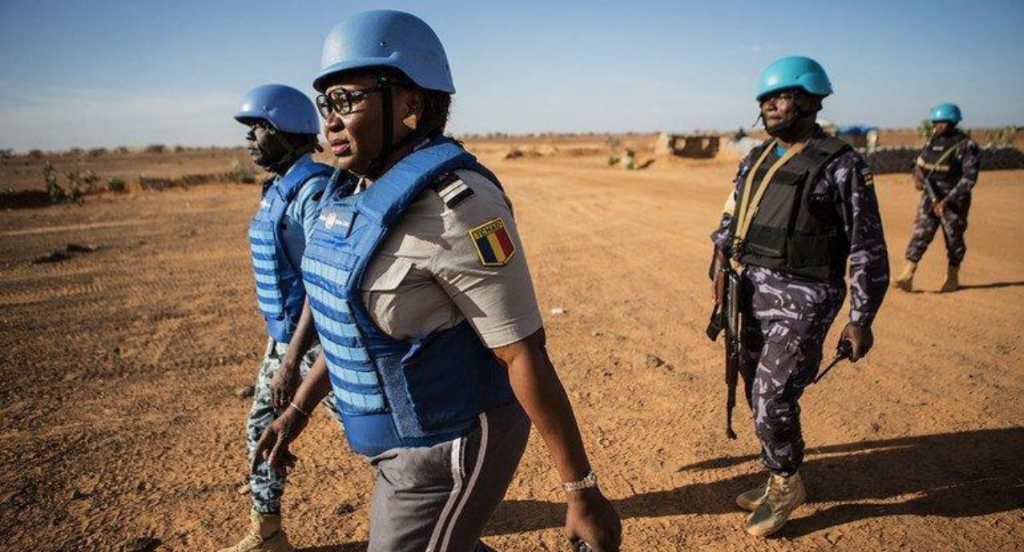
The junta’s 2023 decision to accelerate the withdrawal of MINUSMA wasn’t just a nationalist gesture—it was a calculated move to shield military operations from external scrutiny. With international monitors gone, oversight vanished. The surge in reported violations in the months that followed speaks volumes: absence of independent observers equals impunity in the field.
Diplomatic silence and justice in retreat
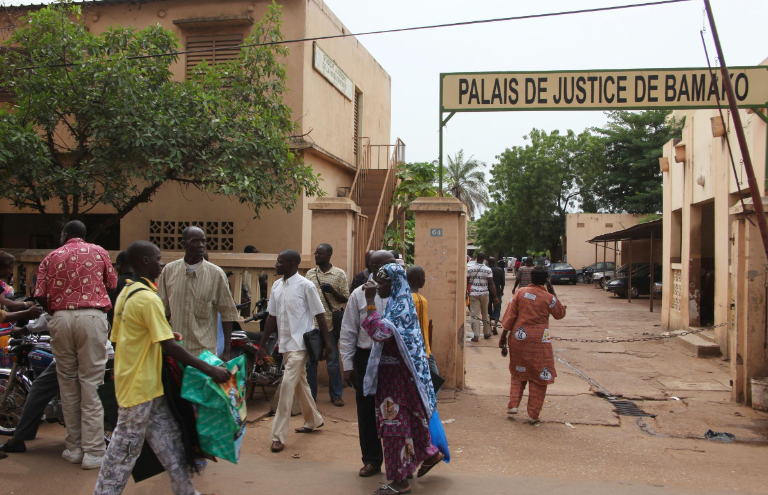
The avenues for accountability have narrowed sharply. With the International Criminal Court sidelined and a politically compromised domestic justice system, there are few channels left for victims to seek redress. Regional bodies have also fallen short: the African Union delivers only muted statements of principle, while the ECOWAS focuses narrowly on constitutional order, exerting little influence over Bamako’s operational choices.
A counterproductive strategy: how repression fuels the insurgency
The military junta’s gamble—to crush insurgency through fear and disregard for humanitarian law—has backfired disastrously. Far from drying up extremist recruitment pools, the state’s brutality has deepened local grievances. Each civilian casualty, each destroyed home, each act of abuse becomes a recruitment poster for armed groups. The result? A self-reinforcing cycle of violence in which the state loses moral ground—and, with it, the legitimacy to govern.
Mali now stands at a turning point. The question isn’t whether the junta can still achieve its stated goals—but whether it will survive the consequences of its own strategy. When a government abandons the protection of its people in the name of security, it ultimately forfeits its right to govern them.
What’s next: paths forward in a collapsing security landscape
Reversing course will require more than rhetoric. Real change demands accountability, transparency in military operations, and an immediate end to attacks on civilian populations. It means restoring trust—not through force alone, but by upholding the very rights the junta claims to defend.
Without these steps, Mali’s counterterrorism campaign risks becoming not a path to stability, but a blueprint for perpetual conflict—and further erosion of state legitimacy.