The reckoning: 440 days and counting for Mali’s former architect of change
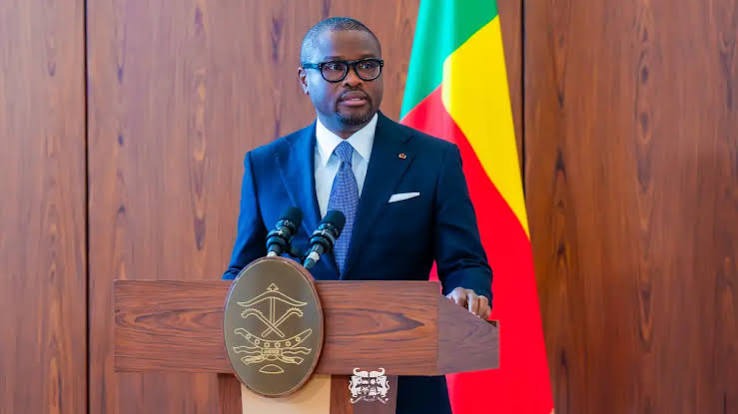
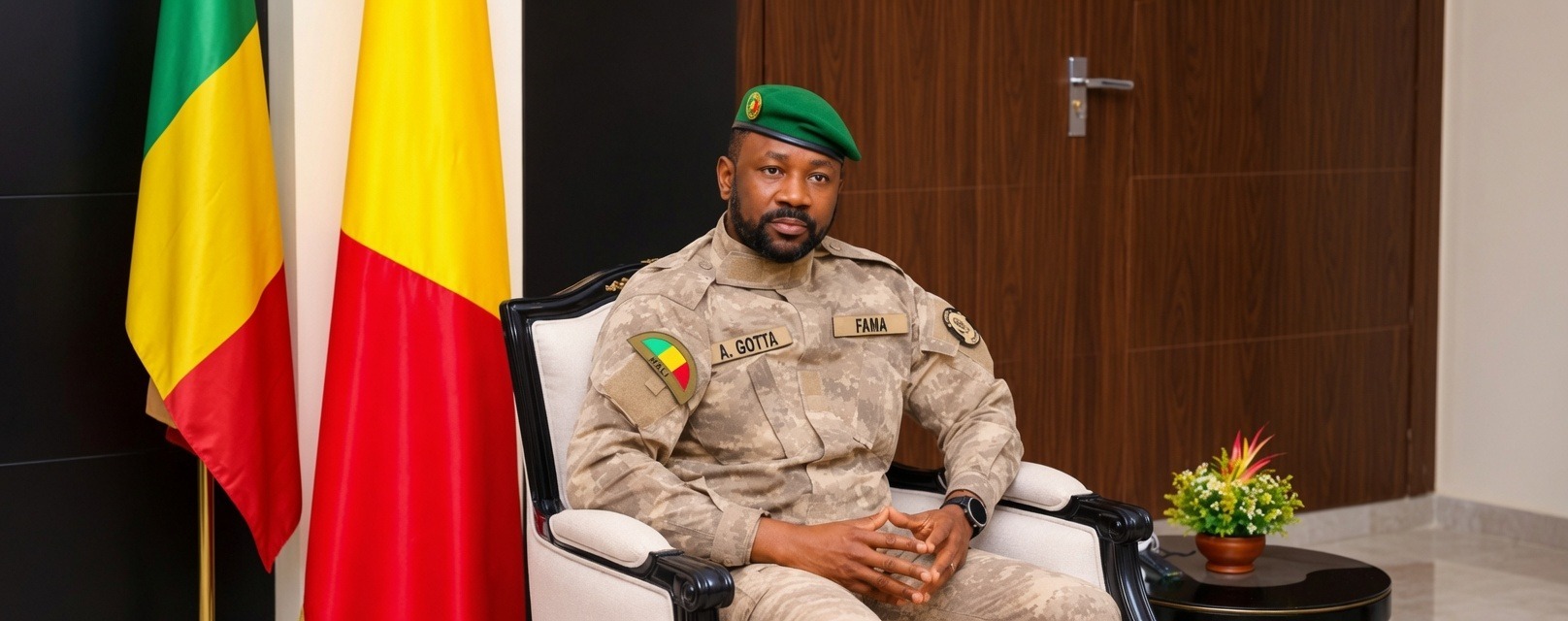
Bamako — The number 440 has entered the national lexicon not as an achievement, but as a stain on Mali’s democratic experiment. More than 14 months since his arrest without trial, Choguel Kokalla Maïga lies in legal limbo — a former prime minister, once the junta’s most vocal theorist of “reclaimed sovereignty,” now reduced to a prisoner in the shadows of a system he once helped design.
This milestone isn’t just about one man. It marks a pivotal shift: the moment when a political system built on revolutionary promises began consuming its own architects. And it reveals how fragile legitimacy becomes when law serves power, not justice.
From the UN podium to a solitary cell: loyalty’s fragile currency
There was a time when Choguel Maïga stood at the world stage, thundering against Western interference and championing a new era of Malian sovereignty. His words weren’t just political posturing — they were the ideological backbone of a regime that positioned itself as both savior and sovereign. He wasn’t just a prime minister; he was the face of transition, the civilian bridge between soldiers and state.
Yet loyalty, even steel-willed, has a shelf life. When whispers of dissent surfaced — not overt rebellion, but the mere suggestion of an independent voice — the system reacted with mechanical precision. His arrest wasn’t a legal conclusion; it was a political statement. In a regime where compliance is currency, even perceived disloyalty demands punishment. Maïga’s 440 days behind bars are not an anomaly. They are a warning.
The justice system as a tool of silence
The prolonged pretrial detention isn’t just a delay — it’s a strategy. By stretching judicial timelines into oblivion, the state weaponizes the legal process. It converts due process into indefinite detention, turning courtrooms into chambers of exclusion rather than forums of accountability.
The contradictions are glaring:
- Promise vs. Practice: Official narratives celebrate the end of impunity and institutional rebirth. Yet routine detentions without trial expose a system where justice bends to political will.
- The architect undone: Maïga didn’t just support the mechanisms that now detain him — he helped build them. His own legacy has become the noose around his neck.
- A chilling lesson: In Mali’s current order, yesterday’s allies are today’s suspects. There is no credit for past service — only compliance for tomorrow.
Purging the past to control the future
This isn’t just about one man’s fall. It’s about the fate of civilian voices within a military-led transition. By silencing a former prime minister with such finality, Bamako signals a clear message: the era of political pluralism is over. The junta prefers the silence of cells to the noise of public debate.
Forty-four months into the transition, the pattern is unmistakable. The regime isn’t reforming institutions — it’s purging personalities. And in doing so, it exposes a paradox: the more it suppresses its own founders, the more it reveals its fragility. A system that consumes its creators cannot claim strength. It can only claim survival.
The 440 days of Choguel Maïga’s detention are not just a personal tragedy. They are the visible scar of a nation drifting from hope to coercion. And in that shift, Mali’s journey toward sovereignty has taken a dangerous turn.
Note: This article reflects the situation as of the date of reporting. Names of officials, charges, and legal timelines remain unconfirmed by judicial authorities.