The world stands at a critical crossroads. As geopolitical tensions escalate, governments worldwide are shifting from passive observation to proactive measures. The new reality? Populations must be ready to face disruptions that could last days—or even longer.
Why governments are urging families to build emergency reserves
Preparing for the worst is no longer a fringe activity. Across continents, nations are advising citizens to stock essential supplies not just for natural disasters, but for geopolitical shocks. What was once viewed as a precautionary step has now become a cornerstone of national security strategy.
The catalyst? A series of transformative events that exposed vulnerabilities in global supply chains, energy networks, and daily infrastructure. From cyberattacks to hybrid warfare, the threats now extend far beyond traditional battlefields. Authorities warn that in the event of a major disruption—whether caused by conflict, sabotage, or systemic failures—households could face prolonged isolation from critical services.
Europe’s pivot toward strategic resilience
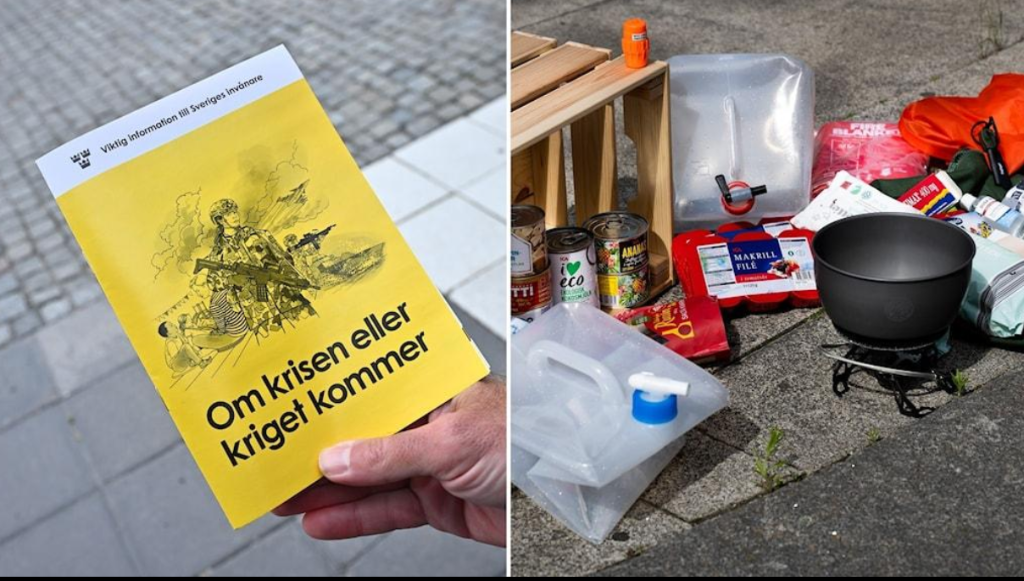
The shift is most visible in Europe, where governments are redefining emergency protocols. In October, the United Kingdom launched a national campaign advising citizens to maintain 72-hour emergency kits. The recommendations mirror those issued in Finland, Sweden, and the Baltic states, which have not only bolstered civil defense systems but also expanded strategic food reserves to cover multiple months of consumption.
The wake-up call was clear. The 2022 invasion of Ukraine demonstrated how quickly entire societies could be cut off from electricity, transportation, and basic supplies—even in non-combat zones. Today, European leaders emphasize resilience over panic, framing stockpiling as a civic duty that reduces strain on emergency services during crises.
Cyber threats and hybrid warfare: the invisible frontlines
Military strategists increasingly warn about gray-zone conflicts—operations that fall short of open war but can cripple a nation’s functioning. Cyberattacks on power grids, disinformation campaigns, and sabotage of critical infrastructure are now part of the threat landscape.
Intelligence assessments suggest these risks are intensifying. Analysts point to scenarios where adversaries might test NATO’s cohesion through calibrated provocations, such as regional blackouts or supply chain disruptions. While no one predicts an imminent full-scale attack, the growing unpredictability of hybrid threats has made short-term self-sufficiency a necessity.
Middle East flashpoints and their global ripple effects
The volatile triangle of Washington, Tehran, and regional allies has intensified another layer of risk. Recent escalations—including retaliatory strikes and alleged missile launches—have underscored how quickly tensions can escalate into economic disruptions. Oil facilities, shipping lanes, and financial networks are all potential targets, with consequences that transcend national borders.
In response, Gulf states are accelerating contingency planning. The United Arab Emirates, for instance, has emphasized the need for robust emergency protocols to safeguard civilians amid regional instability. The message is clear: even countries far from direct conflict zones must prepare for collateral damage—including shortages of food, fuel, and medical supplies.
The Asia-Pacific equation: alliances and strategic ambiguity
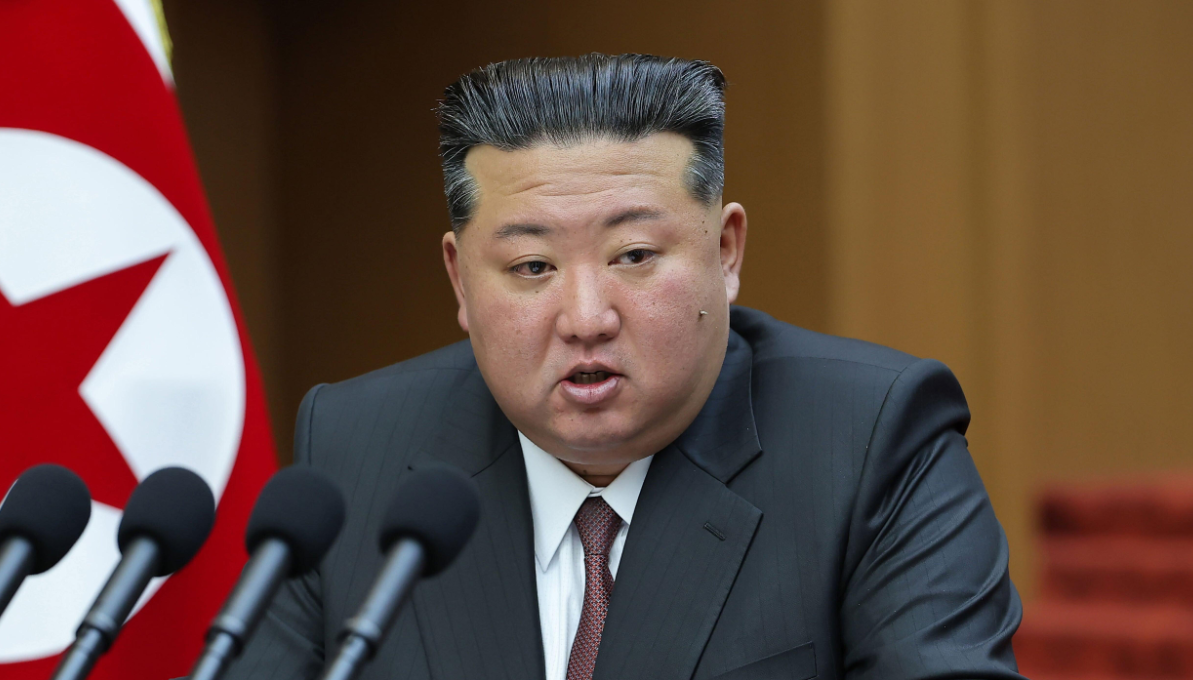
Meanwhile, the deepening ties between China and North Korea add another layer of complexity to global stability. The recent reopening of a major border crossing and high-level diplomatic exchanges signal a renewed alignment between the two nations. While this doesn’t guarantee coordinated aggression, it highlights the potential for overlapping crises in multiple regions.
North Korea’s simultaneous military cooperation with Russia further complicates the calculus. Analysts warn that such alliances could create flashpoints where tensions intersect, increasing the risk of simultaneous disruptions to trade, energy, and security networks worldwide.
Practical steps without the panic
So, what does this mean for individuals and families? Authorities insist that preparation should be measured—not driven by fear. The goal isn’t to predict the future but to create a buffer against the unknown.
Key recommendations include:
- Water and non-perishable food to cover at least 72 hours, preferably longer
- First-aid supplies and essential medications
- Emergency lighting (flashlights, candles) and battery-powered radios
- Cash reserves as electronic payment systems may fail
- Backup power sources like portable generators or solar chargers
- Awareness of evacuation routes and local emergency shelters
The shift toward resilience isn’t about isolation—it’s about continuity. By taking small, proactive steps, households contribute to the broader effort to maintain stability in an unpredictable world.
Shared responsibility in an interconnected age
Governments are reinforcing this message. NATO’s updated resilience guidelines, announced in late 2026, prioritize energy security, food supplies, and communication systems. The message is unambiguous: resilience is a shared responsibility.
For citizens, this means acknowledging that the next crisis may not come with warning. It may not even be a traditional war. But by preparing today, families can ensure they’re not left vulnerable tomorrow.
The era of passive reliance on central systems is fading. In its place emerges a new social contract—one where preparation is not just encouraged, but expected.