2026 Marks a defining moment for youth movements worldwide
From historic strikes in European capitals to university shutdowns across Africa, 2026 has become a turning point in global education battles. Students, parents, and educators are no longer merely demanding change—they are forcing it. The protests sweeping France, Albania, Senegal, Kenya, South Africa, Greece, Argentina, Indonesia, Italy, and Belgium reflect a shared realization: the current systems are failing an entire generation.
The question now is whether world leaders will listen before the crisis escalates further.
A generation facing impossible choices
Across the globe, young people are making the same impossible choice: invest in their education or survive day-to-day. In France, over a thousand high schools joined strikes and blockades in October. Students cite underfunded schools, crumbling infrastructure, and overcrowded classrooms as daily realities. Meanwhile, in Senegal’s Cheikh Anta Diop University, unpaid tuition grants triggered protests that turned fatal. The death of student Abdoulaye Ba in February 2026 became a symbol of a system where financial aid is the only lifeline between study and starvation.
In Argentina and Indonesia, the demands extend beyond classrooms. Students are rallying against rising fuel prices, unaffordable food, and government spending priorities that neglect public education. Meanwhile, Greece’s student movement highlights another crisis—rising rents that make university life unaffordable even when tuition is free.
What students are really fighting for
These protests are not just about education quality. They reveal deep social and economic fractures:
- Diminishing returns on education: A degree no longer guarantees a stable job or decent life
- Systemic underfunding: Universities and schools lack resources, teachers, and infrastructure
- Economic despair: Rising costs of living make education—once a pathway to mobility—an unsustainable burden
- Political alienation: Youth feel completely disconnected from decision-makers
These issues have reached a boiling point. Governments can no longer ignore the message.
Europe: a continent in motion
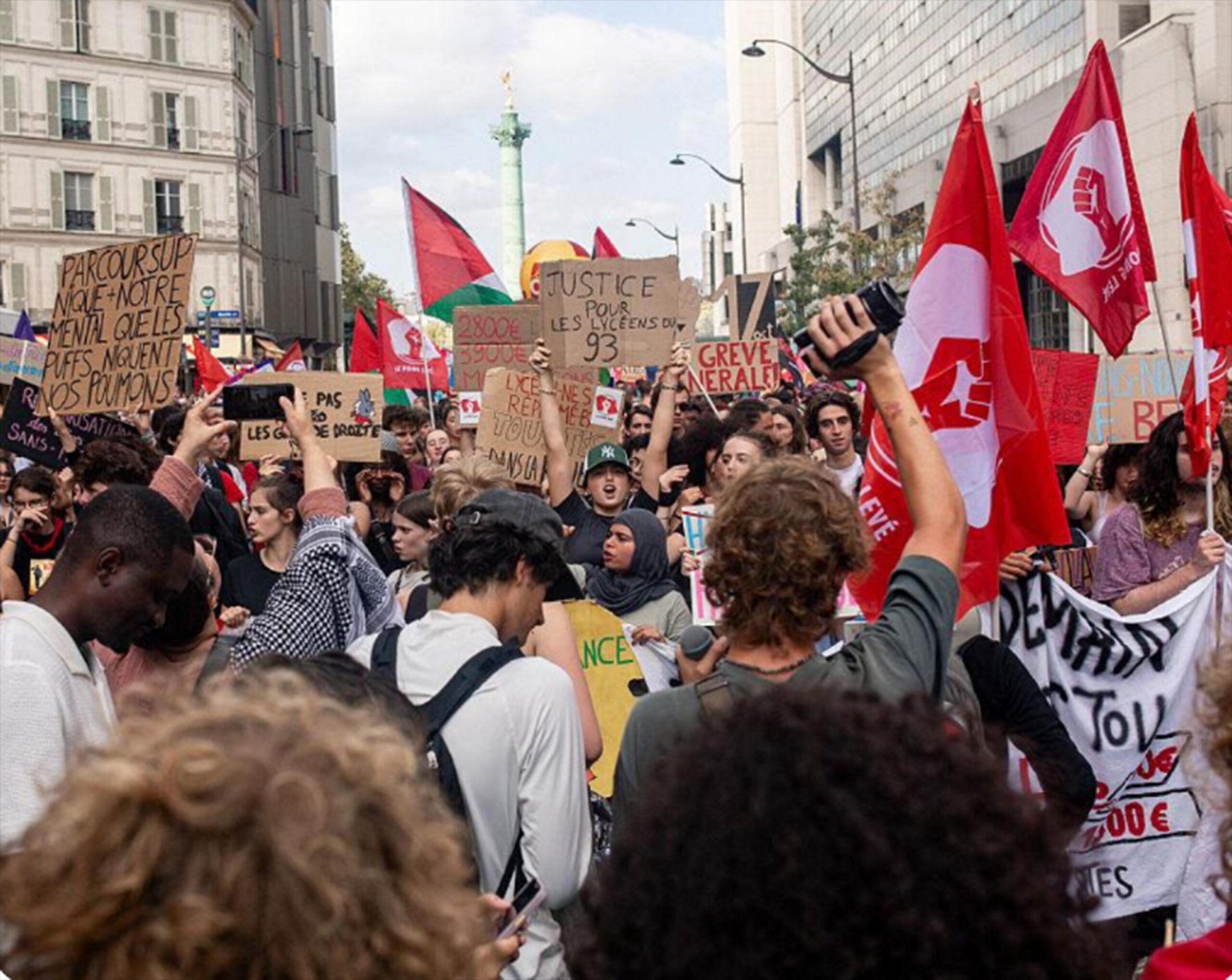
France’s 2026 crisis began in mid-September with high school walkouts, escalating into nationwide school blockades by October 1st—over 1,000 institutions affected. Students are protesting overcrowded classrooms, shuttered career guidance services, and outdated buildings. While police intervention has quelled some unrest, the underlying issues remain unresolved.
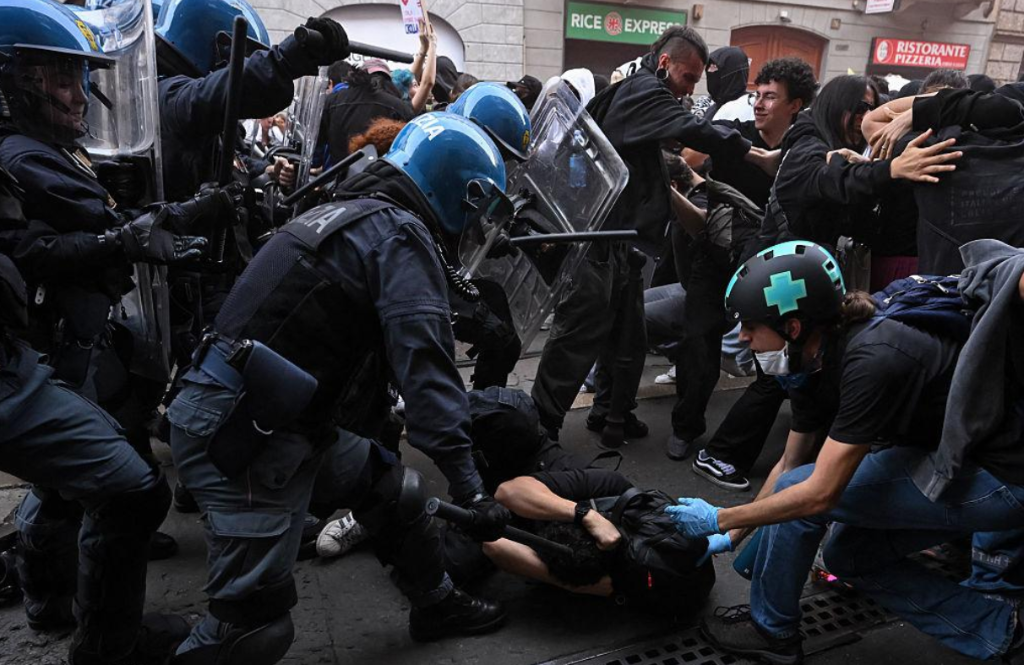
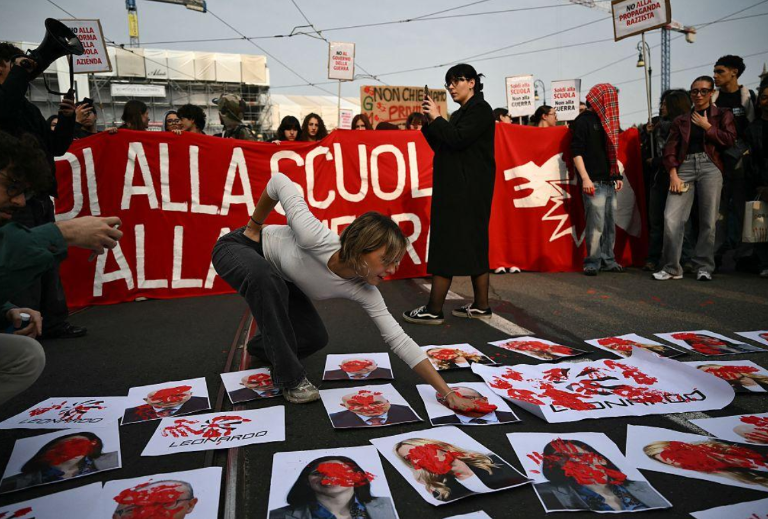
In Italy, thousands marched on October 16th against Premier Giorgia Meloni’s education policies. Protests in Milan, Rome, and Turin targeted a controversial decree limiting migrant student enrollment in public schools. Some demonstrations turned violent, with fireworks and projectiles thrown. The movement reflects broader tensions over energy costs, public spending cuts, and rising nationalism.
Belgium’s francophone students launched their protests on October 1st against austerity measures in education. They emphasize that their fight is homegrown—not an imitation of France. Clashes erupted in several cities, leading to arrests. The central demand? Protection of educational quality during budget cuts.
In Albania, students occupied the streets of Tirana on October 14th. Their grievances include unaffordable tuition, lack of financial aid, and rampant corruption among officials. Some protests escalated into arson attacks on government buildings and banks. Authorities responded with tear gas and water cannons. Over 50 detainees were reported as the crisis deepened.Greece’s movement, peaking on October 21st, was the largest yet—thousands of students, teachers, and public workers took to the streets. They demanded better-funded schools, free textbooks, student housing support, and lower rent controls in university cities like Athens and Thessaloniki. For many, the rising cost of living in cities has made education a distant dream.
Africa: when bursaries are survival
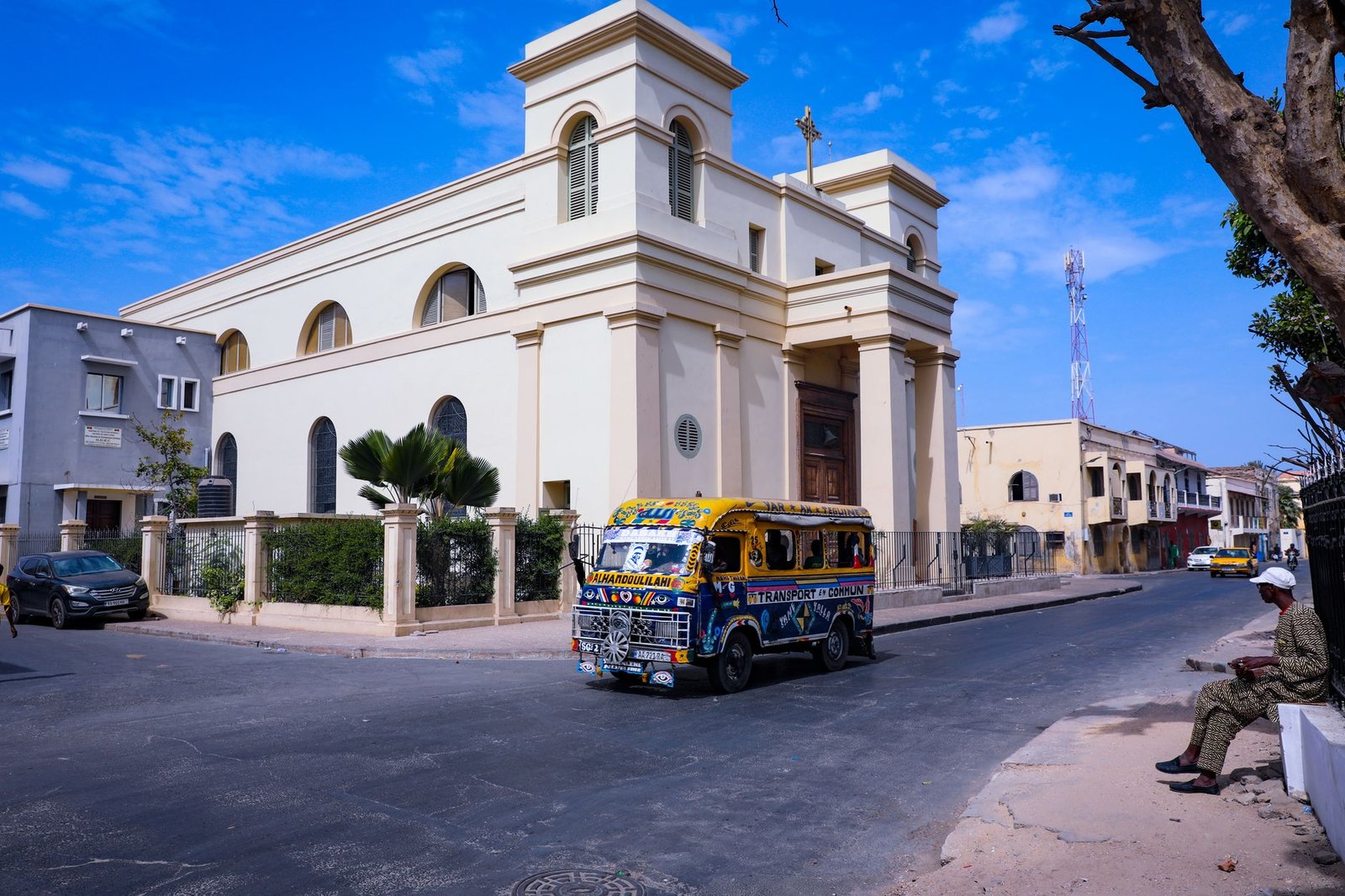
In Senegal, the crisis at Cheikh Anta Diop University began in December 2025 and escalated dramatically in February 2026. Delays in scholarship payments left students hungry and homeless. The death of Abdoulaye Ba during protests shocked the nation and forced university closure. Authorities opened an investigation, but the damage to trust was done. Students insist: without bursaries, education is impossible.
Kenya’s university teachers’ strike in October disrupted learning at the University of Nairobi. Students protested canceled classes and delayed exams—collateral damage from a wage dispute between unions and the government. While not party to the conflict, students bore the academic and emotional cost.
South Africa’s Rhodes University saw student protests against debt clearance rules that threatened 2027 re-enrollment. Thirteen students were arrested in clashes before charges were dropped. The incident exposed how student debt can block access to higher education, pushing dreams of advancement out of reach.
Asia and South America: beyond the classroom
In Argentina, the Federal University March on October 15th drew students, faculty, and staff demanding full implementation of the university funding law. They called for salary increases and more public investment in higher education. The protest pits academic communities against government budget priorities that favor austerity over growth.
Indonesia’s June movement was sparked by soaring fuel and food prices. Students marched against economic mismanagement, fuel subsidy cuts, and rising poverty. But the protest evolved into broader criticism of military influence in civilian governance. The movement showed how education unrest can fuse with national political discontent.
Governments respond: repression, reform, or radio silence?
In responding to these protests, governments have taken divergent paths:
- France: Blend of policing, policy announcements, and dismissive rhetoric—ignoring core demands
- Albania: Heavy-handed crackdowns with arrests and water cannons, despite calls for dialogue
- Greece: Promised funding increases and student housing support, but delivery remains uncertain
- Argentina: Delayed implementation of long-promised university funding laws
- Senegal: Pledged investigations and scholarship reviews after the fatal protest
The result? Where repression dominates, protests simmer. Where negotiations stall, frustration grows. Where reforms are delivered, trust rebuilds—slowly.
The cost of broken promises
When governments silence dissent instead of addressing grievances, trust erodes. Students are not demanding revolution—they want to be heard. They want schools that prepare them, universities that educate them, and a future they can believe in.
But when tear gas replaces textbooks and arrests replace answers, the message is clear: some leaders fear change more than crisis.
What comes next? No turning back
This is not a temporary wave of discontent. It is a structural reckoning. Across continents, youth are rejecting the idea that education alone will secure their future. They see rising tuition, crumbling buildings, unpaid grants, and unaffordable cities—and conclude: the system is broken.
The real choice for governments now is whether to lead reform or resist it. To invest in education or manage crises. To restore hope or fuel disillusionment.
One thing is certain: the youth of 2026 will not wait for tomorrow’s leaders to act. They are already here—organizing, studying, and demanding change.
The question is: will the world listen?