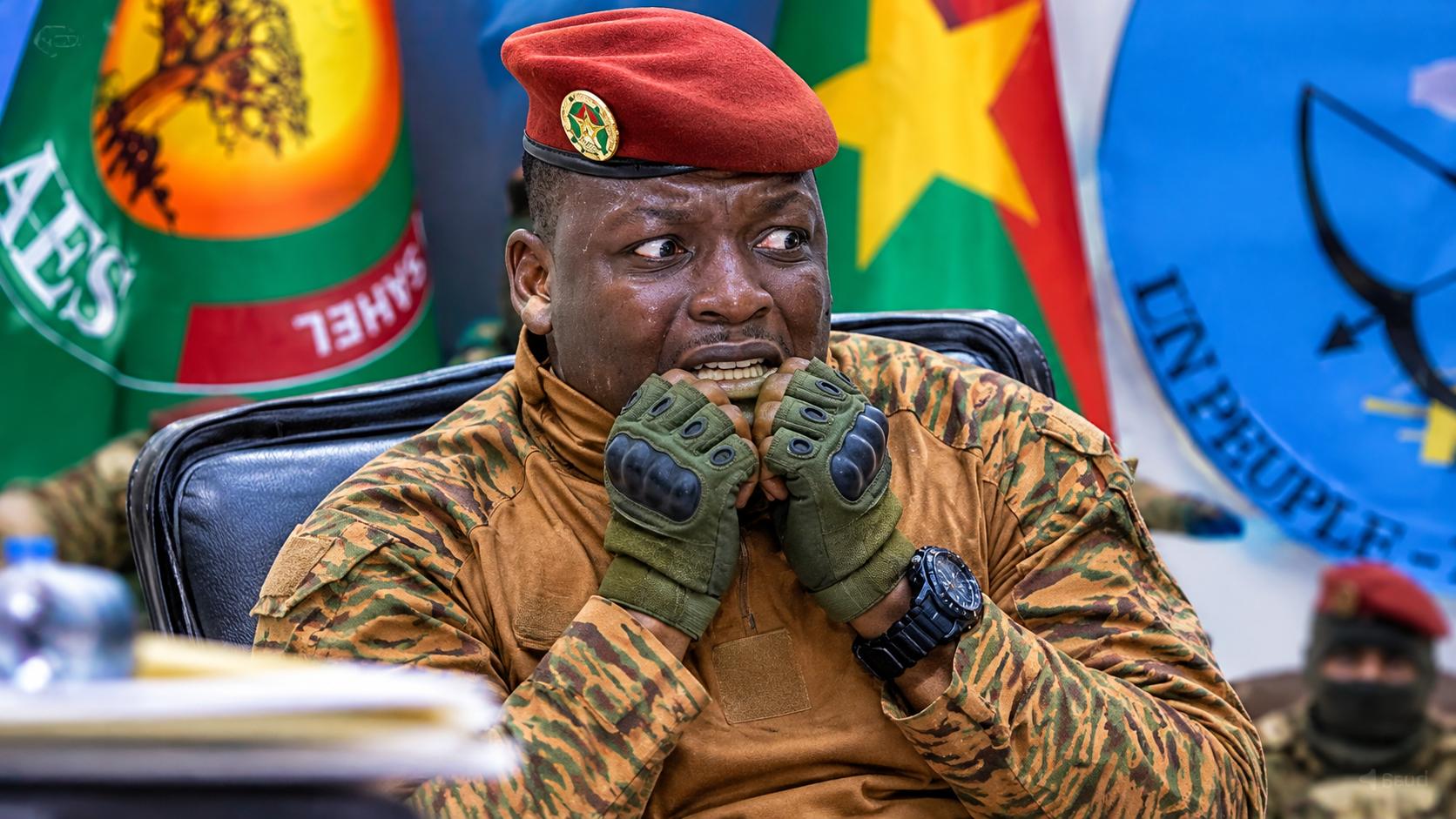
The close diplomatic alignment between Burkina Faso and Russia has long been a cornerstone of Ibrahim Traoré’s leadership narrative, positioning him as a resolute leader breaking from traditional alliances. However, recent developments suggest that the stability of his rule may be facing an unprecedented test. Reports indicate that the Burkinabè head of state’s absence from the Russia-Africa summit in Moscow was not merely a diplomatic choice but a calculated move driven by concerns over his own government’s internal cohesion.
From aligned messaging to leadership anxiety
The once carefully constructed image of Ibrahim Traoré as an unyielding sovereignist leader, charting an independent course away from Western influence, now appears to be under scrutiny both domestically and internationally. His frequent engagements with Russian counterparts, public statements, and strategic overtures were designed to reinforce a narrative of strength and autonomy, yet this very narrative may now be contributing to internal skepticism and division.
Public perception vs. political reality
The use of state-aligned messaging and social media amplification to project authority has been a defining feature of Traoré’s leadership style. This strategy has sought to galvanize public support by contrasting Burkina Faso’s newfound assertiveness with its past reliance on foreign powers. However, critics argue that such an approach obscures critical challenges, including persistent insecurity and economic strain, potentially eroding trust among both citizens and the elite.
Rising internal tensions behind the diplomatic facade
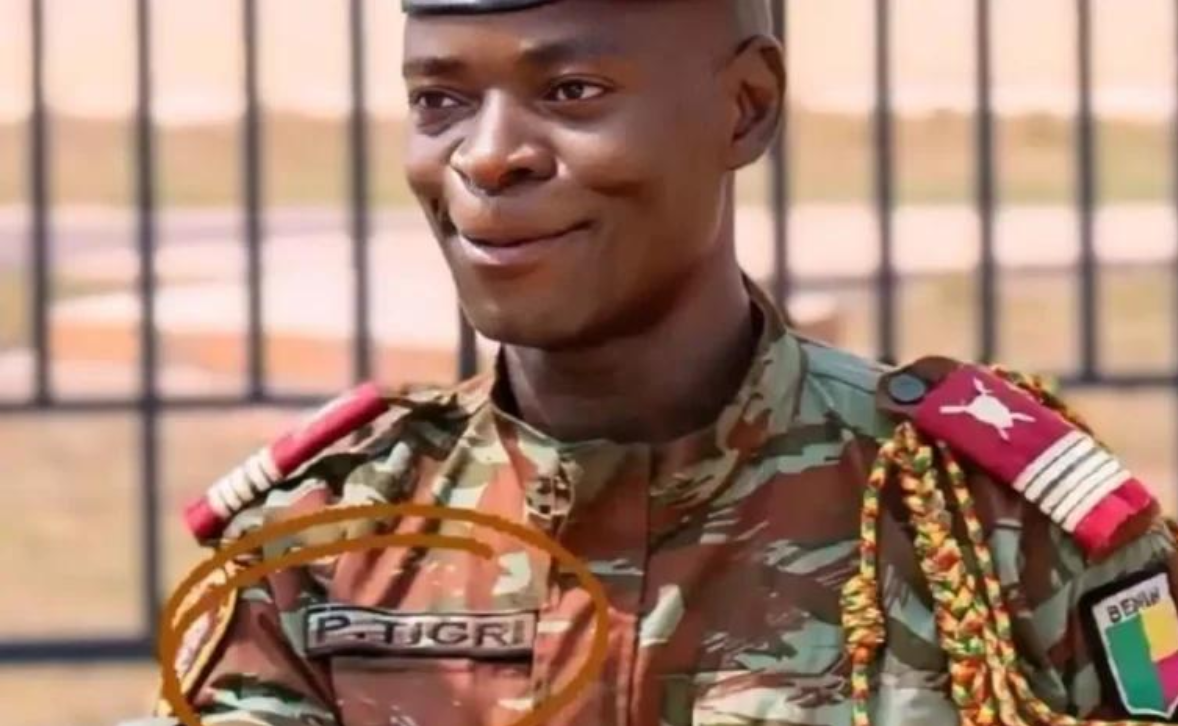
According to insider accounts, Traoré’s decision to skip the summit stems from fears that his prolonged absence could embolden factions within his inner circle. Specifically, concerns have been raised about the loyalty of a senior figure long regarded as a trusted ally raising the specter of a potential power grab during his absence.
Is propaganda masking political fragility?
While Traoré’s administration has masterfully leveraged communication to shape its image, the strategy carries inherent risks. When a government’s legitimacy is heavily reliant on perception management, any discrepancy between stated ambitions and tangible outcomes can undermine credibility not only among the populace but also within the corridors of power. In military-led regimes like Burkina Faso, such divergence can pose an existential threat to leadership continuity.
The military’s shifting loyalties
In transitional governments where power is secured through juntas, the cohesion of security forces and ruling coalitions is paramount. Over time, alliances forged during a coup can evolve into rivalries, particularly when personal ambitions clash with collective goals. The potential for internal fractures to surface under pressure such as during a high-profile international absence cannot be dismissed as mere speculation.
Deciphering Traoré’s strategic retreat
The absence of Ibrahim Traoré at the Russia-Africa summit is not, in itself, conclusive evidence of a looming crisis. Yet it underscores a critical uncertainty: Is this a momentary precaution, or does it signal deeper fissures within his governance structure? The answer hinges on whether his concerns over internal betrayal reflect isolated suspicions or a broader erosion of trust among his closest allies.
What the future holds for Burkina Faso’s leadership
For Traoré, the challenge now extends beyond international diplomacy. The durability of his rule will depend on his ability to reconcile the public image he has cultivated with the realities of governance. Can he sustain the perception of authority while addressing the underlying vulnerabilities within his administration? Alternatively, could this moment of absence become a turning point, exposing the fragility of a leadership built more on symbolism than substantive stability?
Conclusion: A leadership at the crossroads
Ibrahim Traoré’s calculated absence from the Russia-Africa summit has introduced a new layer of complexity to Burkina Faso’s political landscape. While the move may have been prudent, it has also laid bare the delicate balance between external posturing and internal stability. The coming weeks will reveal whether this decision was a temporary safeguard or the harbinger of a more significant realignment within Burkina Faso’s corridors of power.
By François Mvondo — Journalist