Diplomatic roots meet modern ambition in Moscow
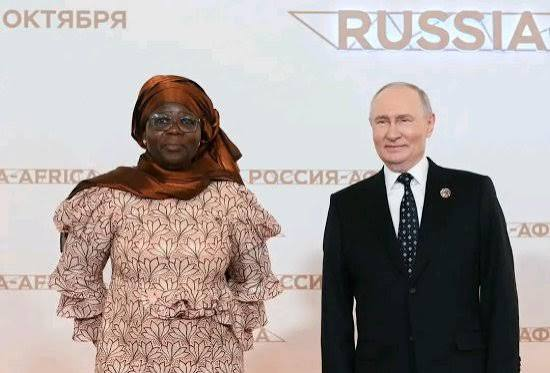
The Vice President of Benin, Mariam Chabi Talata, arrived in Moscow this October 2026 at a critical turning point for African-Russian relations. Stepping onto the global stage with a clear mission, she positioned her nation not just as a participant but as a proactive architect of a new economic chapter that could redefine Benin’s future growth trajectory.
The three-day summit marked a decisive moment where decades of diplomatic tradition collided with the urgent need for economic transformation. As global alliances shift and traditional partners reassess their priorities, Benin emerged with a bold strategy—leveraging its historic ties with Russia to catalyze local industries and create sustainable opportunities for its people.
From Cold War legacy to 21st-century partnership
Benin’s relationship with Russia stretches back to 1962, rooted in the immediate aftermath of independence when the young nation sought to build alliances beyond its former colonial orbit. The Cold War era forged deep connections in education, healthcare, and defense—thousands of Beninese students trained in Soviet universities, forming the backbone of a durable friendship that has outlasted geopolitical storms.
But tradition alone would not suffice. The Moscow summit in 2026 became the stage where Cotonou reshaped this legacy into a modern partnership. Rather than resting on past achievements, the Beninese delegation used the forum to showcase how historical bonds could evolve into engines of economic innovation, digital transformation, and industrial sovereignty.
Key milestones in Benin-Russia relations:
- 1962: Diplomatic recognition following Benin’s independence
- 1970s–1980s: Expansion into education, health, and defense cooperation under the People’s Republic of Benin
- 2026: Strategic pivot to diversify partnerships and promote value-added investments
Beyond protocols: building a partnership of equals
The 2026 summit in Moscow was not merely a diplomatic gathering—it was a working session where concrete decisions would shape Africa’s economic trajectory for years to come. While earlier editions in Sochi (2019) and Saint Petersburg (2023) had laid groundwork, this third convening demanded action. For Benin, the focus was uncompromising: to shift from aid-dependent exchanges toward mutually beneficial collaborations rooted in technology transfer, infrastructure investment, and human capital development.
In closed-door negotiations and public forums, Mariam Chabi Talata emphasized a new vision—one where African nations like Benin are not passive recipients but active architects of their economic destiny. This meant advocating for trade agreements that prioritize local value creation, from agricultural processing to digital infrastructure, ensuring that cooperation with Russia delivers tangible benefits to Beninese citizens.
Sealing the future: declarations, action plans, and lasting impact
As the summit drew to a close, a renewed joint declaration and action plan were finalized, signaling a collective commitment to deepen African-Russian partnerships. For Benin, this document represents more than diplomatic rhetoric—it is a roadmap to economic resilience.
The Vice President’s engagement in Moscow underscored a broader principle: that international cooperation must serve development goals, not the other way around. In a world of shifting alliances and rising protectionism, Benin’s approach is clear—forge partnerships that empower, not entangle. By focusing on sectors with high local impact—renewable energy, agro-industry, and digital innovation—the country is positioning itself not just as a participant in global trade, but as a leader in defining how Africa engages with partners like Russia on its own terms.
As the Moscow summit closed, one message resonated: Benin is no longer content with being a spectator. It is writing its own economic future—and inviting the world to invest in that vision.