After two months, the truth about Moussa Kaka’s disappearance remains buried
For 60 days, the whereabouts of Moussa Kaka, a prominent Nigerian journalist, were shrouded in secrecy. Though authorities eventually confirmed his detention, they have yet to reveal the circumstances of his arrest, the charges against him, or even where he is being held. This persistent opacity has thrust Niger’s military government into the international spotlight, raising serious questions about its commitment to press freedom and the rule of law.
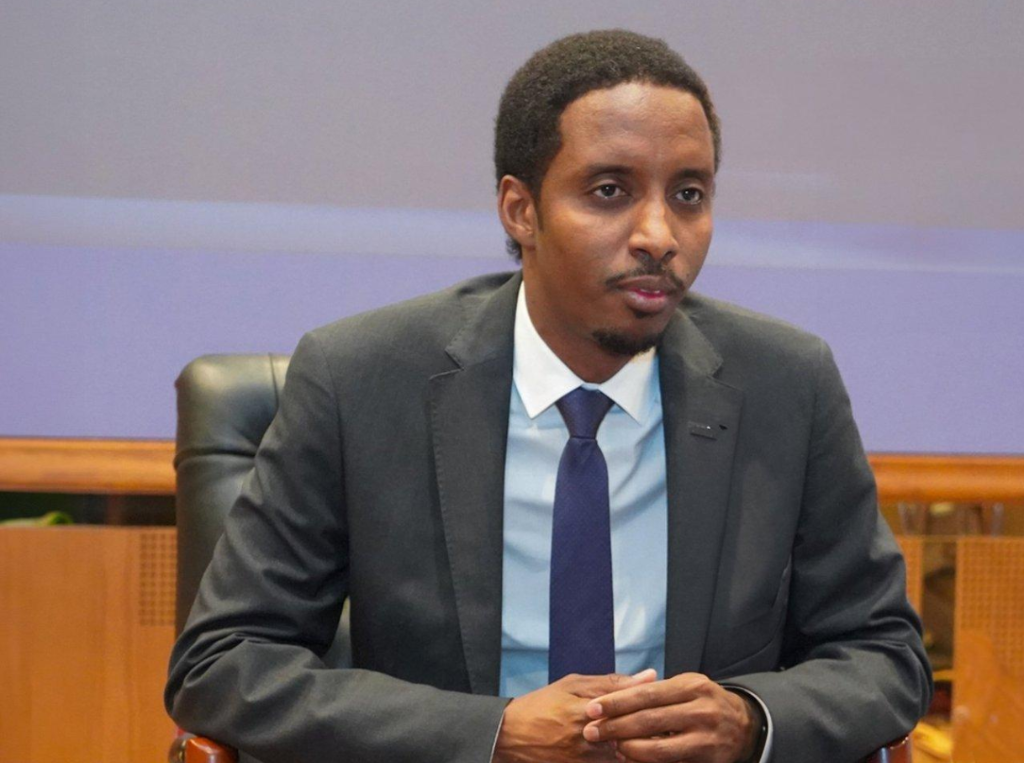
On August 31, 2026, Kaka, the director-general of Radio Télévision Saraounia (RTS) and a former correspondent for Radio France Internationale, left his office in Niamey around 7 p.m., heading home. He never arrived. His vehicle vanished from public radar, and for weeks, his family and colleagues were left in the dark about his fate.
The timing of his disappearance coincided with a tense political climate in Niger. Two days prior, a military mutiny had rocked strategic installations in Niamey, prompting a crackdown within the armed forces. While no direct link has been established, the proximity of these events has fueled speculation and deepened concerns about the government’s motives.
Tiani’s regime struggles to justify a silence that grows more indefensible
For weeks, Nigerian authorities provided no answers about Kaka’s disappearance. His family and colleagues were left in the dark unable to confirm whether he was alive, who had detained him, or under what conditions he was being held.
It wasn’t until September 25, during Niger’s Universal Periodic Review at the United Nations Human Rights Council in Geneva, that Justice Minister Alio Daouda publicly acknowledged Kaka’s detention. On October 6, he reaffirmed to Reporters Without Borders (RSF) that the journalist was alive and in custody.
Yet this admission only deepened the mystery. The government admits to holding a journalist who has been missing for weeks, but it has failed to provide critical details about his situation. Why was Kaka arrested? Who ordered his detention? What specific charges does he face? Where is he being held? Has he been brought before a judge? Why are his family and legal counsel still denied access?
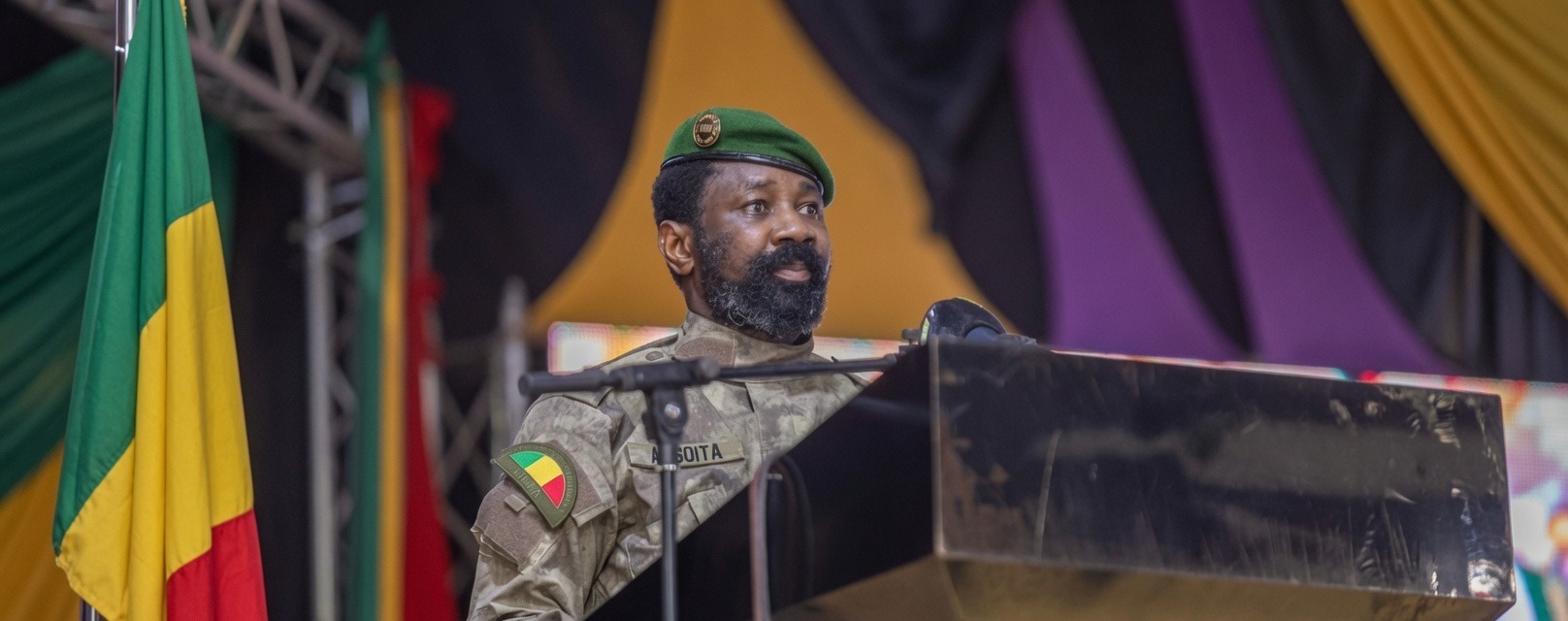
Without clear explanations, the military regime’s silence becomes increasingly difficult to defend. While it remains unproven whether General Abdourahamane Tiani personally ordered Kaka’s detention, he bears political responsibility for the actions of state institutions under his authority. The government cannot indefinitely hide behind bureaucratic silence to evade accountability for such a grave matter.
A detention that exposes the military’s tightening grip on dissent
The case of Moussa Kaka is no longer just about one journalist’s fate it has become a test of Niger’s commitment to press freedom and human rights under military rule.
The most alarming aspect is the deliberate delay in acknowledging Kaka’s detention. Even after confirmation, authorities have refused to disclose his location or the legal basis for his imprisonment. This pattern of secrecy fosters an atmosphere of fear and reinforces perceptions that the government prioritizes control over transparency.
Kaka is no stranger to adversity. His career spans decades, during which he worked as an RFI correspondent and reported on sensitive political and security issues in Niger. His past is marked by persecution under former President Mamadou Tandja in 2007, he was arrested and imprisoned for 379 days before a national and international outcry secured his release in October 2008.
Nearly two decades later, Kaka finds himself detained once again, this time under a military regime that claims to have ushered in a new era for Niger. The irony is stark: a government that asserts restored sovereignty now stands accused of violating fundamental freedoms.
Niger’s international obligations hang in the balance
The handling of Kaka’s case has drawn sharp criticism from global human rights organizations, which have escalated pressure on Niger’s authorities.
Reporters Without Borders has filed petitions with UN mechanisms on enforced disappearances, demanding immediate clarification about Kaka’s whereabouts and status. Meanwhile, Human Rights Watch, in a statement issued on October 28, 2026, called on Niamey to reveal Kaka’s detention site, ensure his safety, and release him if no credible charges can be substantiated.
The urgency is heightened by Niger’s obligations under international law. In 2015, Niger ratified the International Convention for the Protection of All Persons from Enforced Disappearance, which explicitly prohibits secret detention in Article 17. The convention requires states to maintain transparent records of detainees, provide access to legal counsel, and ensure family members are informed of their relative’s status. Niger, it seems, is falling short on every count.
Sixty days of silence: the government must finally answer
The passage of 60 days since Kaka’s disappearance has only intensified scrutiny on Niger’s military leadership. The government now admits he is in custody but refuses to disclose where, why, or under what conditions. This refusal is not just a legal failure; it is a moral one.
When a state acknowledges detaining a citizen, it must be prepared to state where they are held, the legal justification for their detention, and the safeguards in place to protect their rights. Niger’s government cannot invoke national sovereignty to shield itself from accountability, especially when those rights are under direct assault.
The stakes are clear. Moussa Kaka is not merely a name in a legal file; he is a journalist, a citizen, and a father. His detention shrouded in secrecy for two months demands answers that can no longer be deferred. General Abdourahamane Tiani and his administration must now disclose Kaka’s exact location, present the charges against him, and immediately allow his family and legal representative to visit.
In a country where authorities assert they have restored order and sovereignty, how can the unexplained detention of a journalist for two months be justified? The world is watching and the clock is ticking.
By Thérèse Nguimfack — Journalist