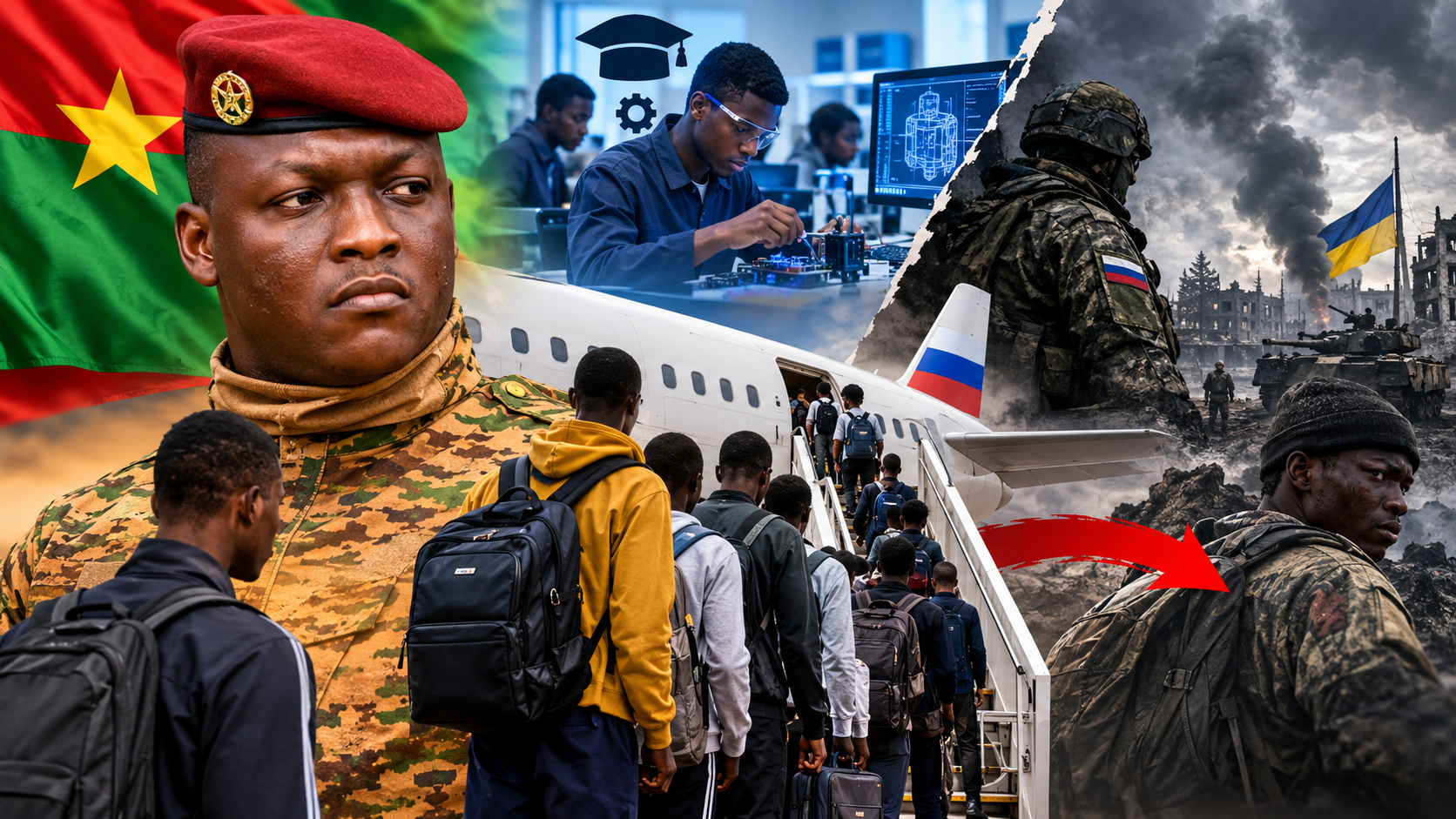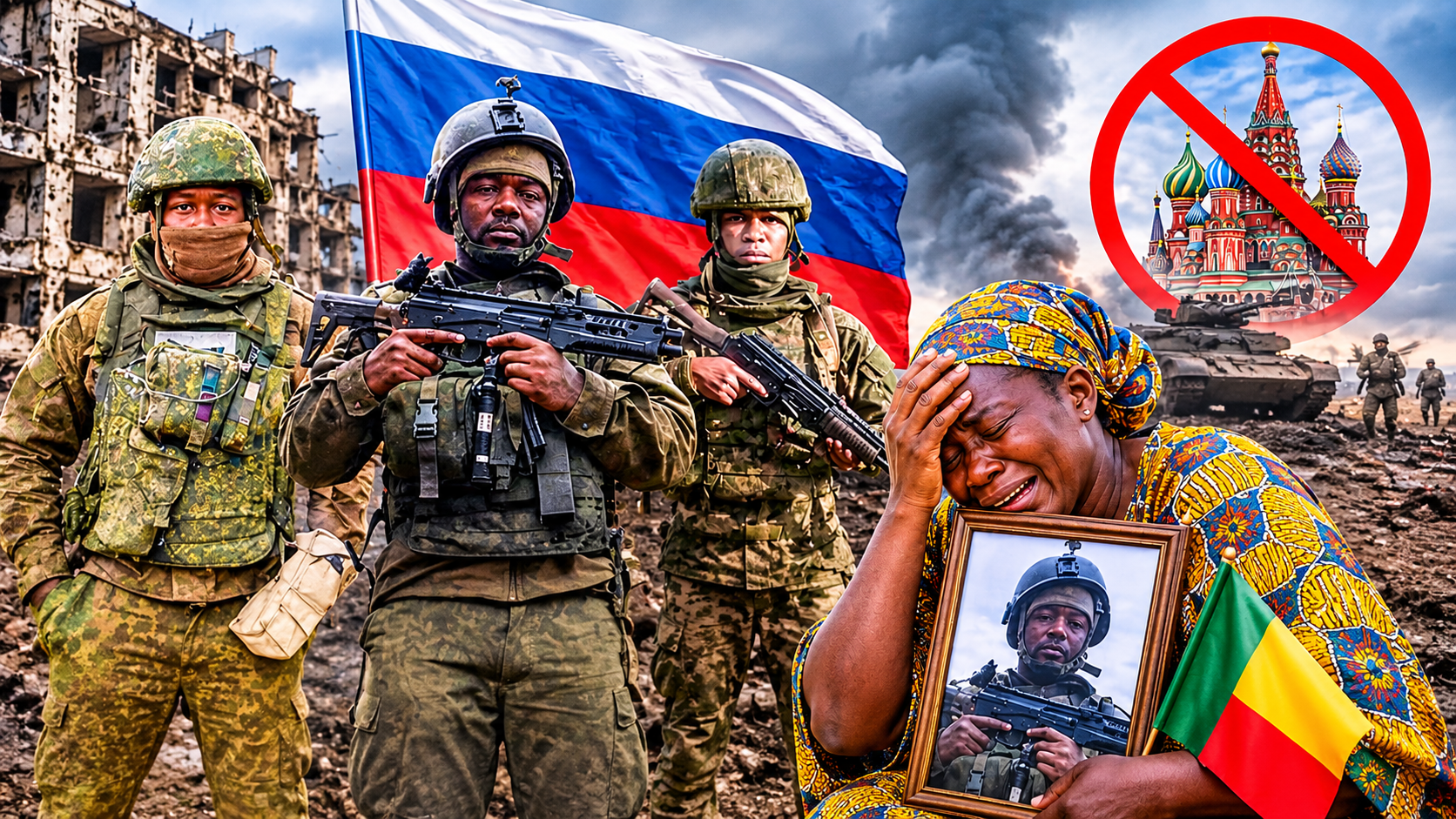
The pursuit of higher education abroad often symbolizes hope, opportunity, and a pathway to a brighter future. For many young Africans, including a promising student from Benin, the decision to study in Russia represented exactly that a chance to acquire skills, secure a degree, and build a prosperous career. Yet, for one family in Benin, this dream ended not on a university campus, but on a distant battlefield in Ukraine.
His death has ignited urgent questions about the real risks facing African students who travel to Russia and whether their educational aspirations may inadvertently expose them to military recruitment in a brutal war they never chose to join.
When study abroad becomes a path to conflict
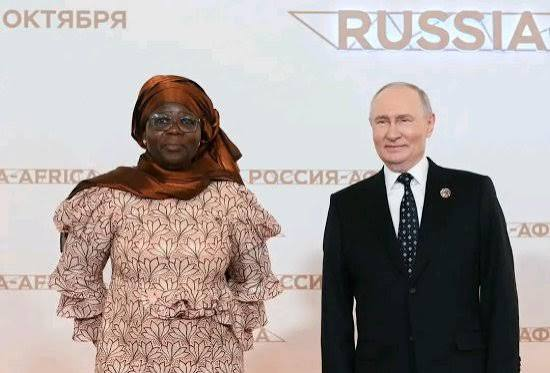
The youth of Benin, like many across Africa, are increasingly looking beyond the continent for education and professional advancement. Russia has long been viewed as a destination offering rigorous academic training, particularly in science, technology, and engineering, often with state-supported scholarships. These opportunities, while real, do not come without conditions and now, grave risks.
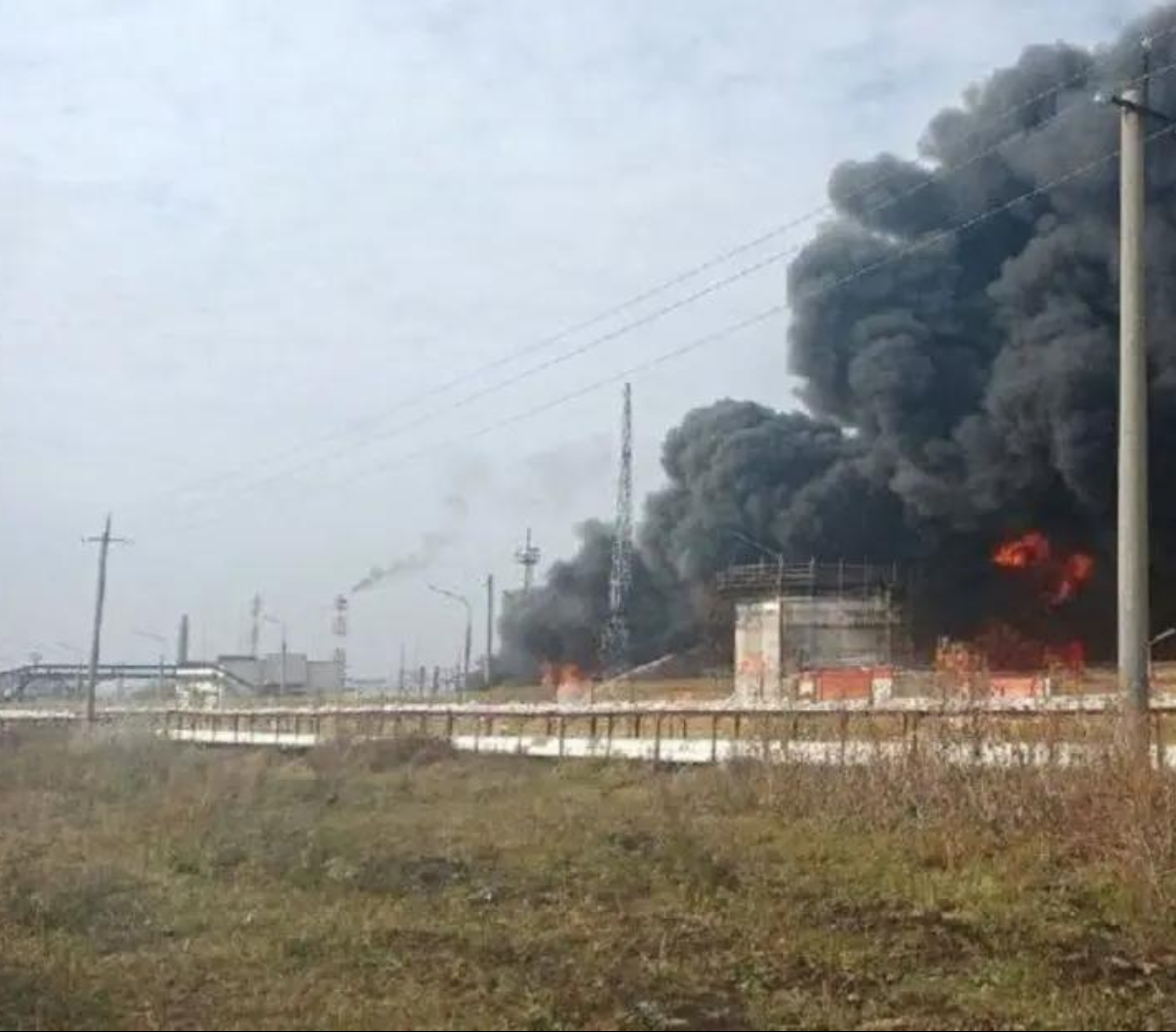
The war in Ukraine has transformed the geopolitical landscape, but it has also exposed a disturbing pattern: the involvement of foreign students, including Africans, in combat roles within the Russian military. Reports and investigations have highlighted cases where students, far from their homes, have been recruited or coerced into military service under unclear circumstances, often with promises of employment, financial support, or legal residency.
This tragic case challenges a long-held belief: that studying abroad is solely an academic pursuit. The reality is far more complex. A young person traveling to Russia with the intent to learn may unknowingly step into a system where their student status could be leveraged or exploited to fulfill military objectives.
A deadly gamble: promises, poverty, and pressure
The journey from a classroom in Moscow or Saint Petersburg to the front lines of a war zone is not one taken lightly. For many international students, especially those from low-income families in Benin and other African nations, the decision is influenced by economic hardship, limited local opportunities, and the weight of familial expectations.
Families often make immense financial sacrifices to fund their children’s studies abroad. Parents believe they are investing in their child’s future only to later receive news of their involvement in combat, injury, or death. The emotional and psychological toll is devastating.
Such vulnerabilities make students easy targets for unscrupulous intermediaries. Fraudulent recruiters or shadowy organizations may offer seemingly harmless “jobs” or “internships” in Russia. These roles, when scrutinized, reveal themselves to be military service in disguise. The true nature of the work patrolling, training, or active combat is often obscured until it is too late.
Once on Russian soil, foreign students may face isolation, financial dependence, and administrative barriers. Without fluent Russian or local support networks, they may struggle to navigate legal complexities or seek help. In such a precarious position, the line between voluntary enlistment and coercion blurs dangerously.
Russia’s evolving education landscape: progress amid peril
It is important to acknowledge that not all educational experiences in Russia are dangerous. Many universities continue to operate with integrity, welcoming international students into structured academic programs without hidden strings attached. Partnerships between African and Russian institutions remain strong in fields like medicine, engineering, and agriculture, offering real value to students
However, the ongoing conflict in Ukraine has reshaped the risks. The Russian government’s documented efforts to mobilize foreign nationals including students into military roles have raised serious concerns. Reports indicate that some African students have been approached with offers of dual enrollment: part-time study combined with part-time military duty. These arrangements are rarely transparent and often leave participants unaware of the full extent of their obligations.
The government of Benin and other African nations must respond with greater transparency. Prospective students and their families need clear, accessible information about visa conditions, university authenticity, and the legal framework governing foreign enrollment. Consular services play a vital role in monitoring emerging threats and providing emergency support when students go missing or face exploitation.
A call to action: protecting the next generation
The death of this young Béninois student is more than a personal tragedy it is a national and continental wake-up call. African governments, educational institutions, and families must treat this case as a turning point.
Families are urged to verify university accreditation, demand written confirmation of enrollment, and confirm the nature of any supplementary work or residency permits. Prospective students must be made aware that Russian law requires all able-bodied males including foreign students to register for military service. Ignorance of this law is not a defense.
Educational institutions must strengthen due diligence in their admissions processes and refuse partnerships that blur academic and military objectives. They should provide students with clear orientation sessions on legal obligations and emergency contacts before departure.
Civil society and media outlets across Africa must continue to investigate and report on these risks, ensuring that no family sends a child abroad in the dark. Public awareness campaigns especially in West African countries with high rates of study-abroad mobility can save lives.
No dream is worth a life on the battlefield
The promise of education should never come with a hidden death sentence. Studying abroad must remain an act of hope, not one of desperation disguised as opportunity. This young man’s life like those of others before him was cut short in a conflict not of his choosing. His story demands not only justice, but a systemic response.
Benin, along with its African neighbors, must now act. Stricter oversight, real-time threat monitoring, and stronger consular protection are no longer optional they are essential. The dream of academic excellence cannot be realized at the cost of human lives. It is time to ensure that the road to knowledge remains paved with safety, not buried in the mud of war.
By Thérèse Nguimfack — Journalist