Significant shift in the Sahel: Niamey and Benghazi redefine alliances
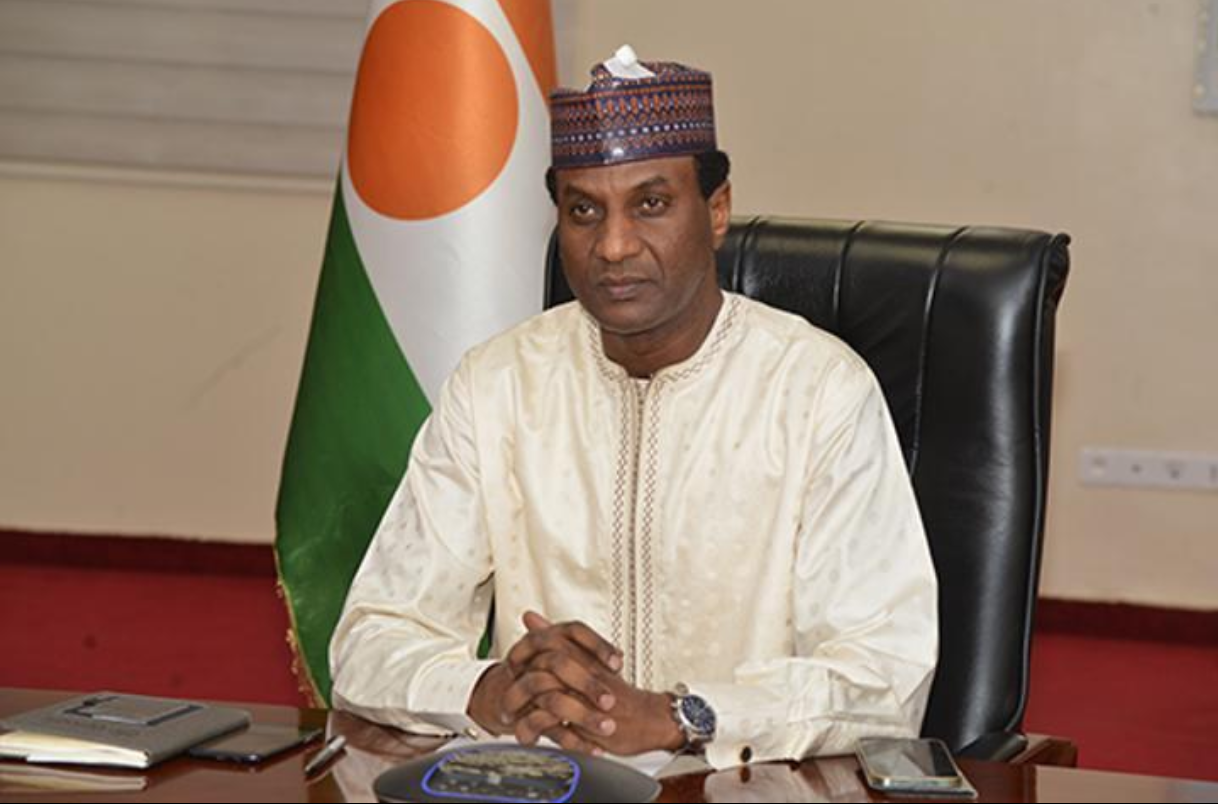
The visit of Niger’s Prime Minister Ali Mahaman Lamine Zeine to Benghazi on Sunday, November 1st, and the subsequent signing of a strategic cooperation protocol with Libya’s eastern authorities mark a decisive turning point in regional security dynamics. Beyond ceremonial statements, this move signals a major geopolitical shift, particularly as Algeria intensifies its military engagement in the region.
During the meeting, Saddam Haftar, Deputy Commander-in-Chief of Libya’s armed forces, alongside Osama Hammad, Head of Government in eastern Libya, underscored the strategic nature of this engagement. The newly established protocol between Niger and Benghazi arrives at a critical juncture, just as Algeria deploys its first military units within Niger’s borders—a historic move that could redefine power structures across the Niger-Libya-Algeria tri-border region.
Algeria’s military expansion in Niger: a game-changing move
On October 25th, Algeria’s Parliament sanctioned the deployment of units from the National People’s Army (ANP) to Niger, a departure from the country’s long-standing policy of non-intervention beyond its borders. This decision, framed in terms of protecting economic and energy interests—particularly oil investments and the Trans-Saharan Gas Pipeline—also responds to escalating security concerns about unchecked militant movements across porous desert routes.
One potential base for these forces, the Madama outpost in northeastern Niger, holds critical strategic value due to its proximity to the Libyan frontier. From this vantage point, Algeria aims to monitor cross-border militant activity and secure its investments. Yet this presence introduces a complicating factor: it intensifies competition with eastern Libya’s Haftar-aligned factions, who are consolidating control over southern Libyan territories.
Tri-border tensions: a flashpoint for regional rivalry
The tri-border zone where Niger, Libya, and Algeria meet has become a focal point of shifting military and political influence. Historically a transit corridor for populations, trade, and armed groups, the region now faces heightened strategic competition. The advance of Haftar-affiliated forces into southern Libya has raised concerns in Algiers, which fears erosion of its ability to control vital Saharan-Saharan transit routes.
Niger’s internal security challenges, compounded by alleged support networks for rebel factions based in southern Libya, add further complexity. While the extent of external involvement remains difficult to verify, the perception of cross-border threats is driving both Niamey and Benghazi to strengthen ties—offering Libya greater political and security leverage in the south, while Niger seeks to diversify partnerships amid domestic instability.
Algeria vs. Benghazi: a clash of visions in the Sahara
Relations between Algeria and Haftar’s camp are deeply strained. While Algiers backs the internationally recognized Government of National Accord in Tripoli and advocates for a negotiated solution to Libya’s crisis, Benghazi has forged independent regional alliances. The recent consolidation of Saddam Haftar’s influence in southern Libya, combined with the Niger-Benghazi protocol, may be interpreted in Algiers as an attempt to counter Algerian influence in the Sahel.
Although full protocol details remain undisclosed, the agreement signals potential for expanded military, security, and economic cooperation between Niger and eastern Libya. Yet labeling it as an anti-Algerian alliance would be premature. Instead, it reflects Niamey’s pragmatic effort to navigate a fractured regional landscape.
Niamey’s balancing act: sovereignty under pressure
For Niger, the stakes are clear: reinforcing national security while managing alliances with both Algiers and Benghazi. Faced with rising terrorism, diplomatic tensions, and competing geopolitical ambitions, Niamey is pursuing a delicate balance to avoid over-dependence on any single partner.
This strategy, while offering short-term flexibility, carries significant risks. The country risks becoming a proxy in a high-stakes rivalry between two regional powers with fundamentally divergent agendas. Yet it also presents an opportunity to assert sovereignty by leveraging multiple alliances in a fluid strategic environment.
Conclusion: a new era of indirect confrontation
The Benghazi accord is more than a diplomatic gesture—it symbolizes the accelerating transformation of Sahel geopolitics. In a region where borders are increasingly porous and alliances are temporary, strategic cooperation can swiftly turn into a tool of rivalry. With Algeria’s military footprint expanding and Haftar’s influence growing in southern Libya, Niger finds itself at the heart of a silent struggle for regional dominance. The question now is not whether this competition will intensify, but how Niamey will navigate its consequences.