From preventable tragedy to urgent wake-up call: the Minna cell disaster
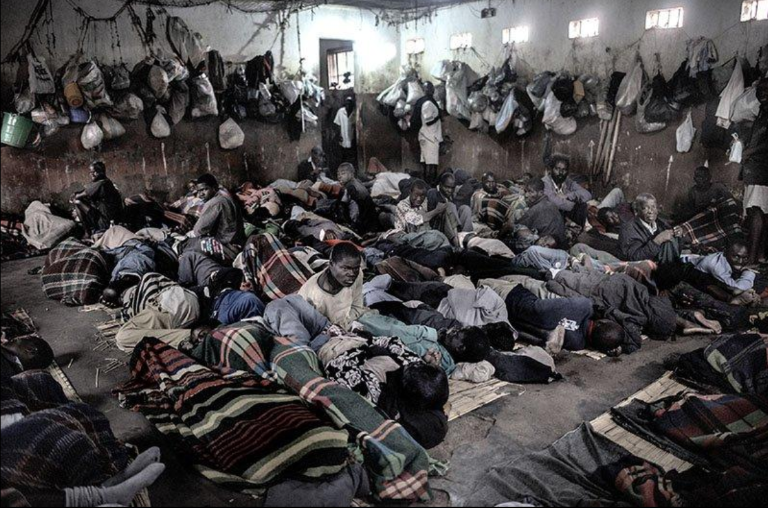
In the dead of night between September 16 and 17, 2026, a routine detention facility in Minna, Niger State, Nigeria, transformed into a suffocating death chamber. Thirty-three detainees—including fourteen children—perished in a cell measuring just twelve square meters, where nearly fifty individuals had been crammed together. The tragic incident has become the inflection point forcing African governments to confront a long-ignored crisis: the systematic collapse of prison conditions across the continent.
How a 12 m² cell became a lethal trap for nearly fifty human beings
The death toll was not a fluke—it was foreseeable, according to a comprehensive inquiry report released on October 27, 2026. Investigators found that extreme overcrowding, stifling heat, inadequate ventilation, and lack of potable water converged to create an environment where survival was impossible. Survivors recounted desperate acts—drinking urine and sweat—to stay alive as asphyxiation set in. Toilets were non-functional, and calls for help were ignored for hours by guards, who failed to respond to desperate knocking and shouting from those trapped inside.
Beyond the numbers: children, injustice, and systemic neglect
The commission confirmed thirty-three deaths—fourteen of them minors—while forty-one others survived the ordeal. The report uncovered grave procedural violations: children were held alongside adults, detainees were held without legal justification, and due process was repeatedly disregarded. These findings point not to isolated negligence, but to a deeply rooted failure of justice administration in Nigeria—and across Africa.
Prison overcrowding: Africa’s silent epidemic
Tragedy in Minna is not an anomaly—it is a symptom. According to the 2025 Prison Matters report by the United Nations Office on Drugs and Crime (UNODC), over 90% of African countries with available data operate prison systems at or above maximum capacity. Globally, over 60% of countries face similar overpopulation, driven by outdated infrastructure, underfunded corrections, and excessive use of pretrial detention. In 2023, the UNODC estimated that 37% of Africa’s incarcerated population were awaiting trial—many of them presumed innocent, languishing in inhumane conditions for years due to judicial delays and lack of legal aid.
Why pretrial detention fuels the crisis
- Slow judicial processes and backlogged courts
- Limited access to legal representation
- Over-reliance on preventive detention
- Insufficient alternatives to incarceration for minor offenses
Together, these factors transform prisons from correctional institutions into warehouses of suffering—where the deprivation of liberty becomes a violation of fundamental rights.
Dignity behind bars: turning principles into practice
The UN Nelson Mandela Rules are unequivocal: every detainee must be treated with humanity and respect. Yet across Africa, reality diverges sharply from principle. To prevent future tragedies like the one in Minna, governments must do more than build new prisons. They must reimagine the entire justice system:
Key reforms needed immediately
- Speed up judicial processes: clear case backlogs and reduce pretrial detention times.
- Guarantee legal aid: ensure all defendants have access to qualified representation.
- Expand alternatives to incarceration: apply community service, bail reform, and restorative justice where appropriate.
- Improve prison infrastructure: renovate existing facilities, install functional sanitation, and ensure clean water and healthcare.
- Enforce age separation: stop detaining children with adults—immediately and unconditionally.
- Establish independent oversight: create mechanisms to monitor detention conditions and hold officials accountable.
These changes are not optional—they are obligations under international human rights law. The Nelson Mandela Rules are not a suggestion; they are a moral and legal benchmark for any society that claims to uphold justice.
A turning point for African justice?
Thirty-three lives were lost in a space too small to breathe. Fourteen were children. Now, the question is no longer whether this tragedy could have been prevented—but whether African leaders will finally act. Reform cannot be delayed by bureaucracy or political inertia. The dignity of every detainee—every human being held in state custody—must become a non-negotiable priority. Anything less renders justice itself unachievable.
As the commission concluded: these deaths were preventable. The real question is whether any more lives will be sacrificed before meaningful change is made.