Breaking institutional norms: the strategic move behind Benin’s Senate budget process
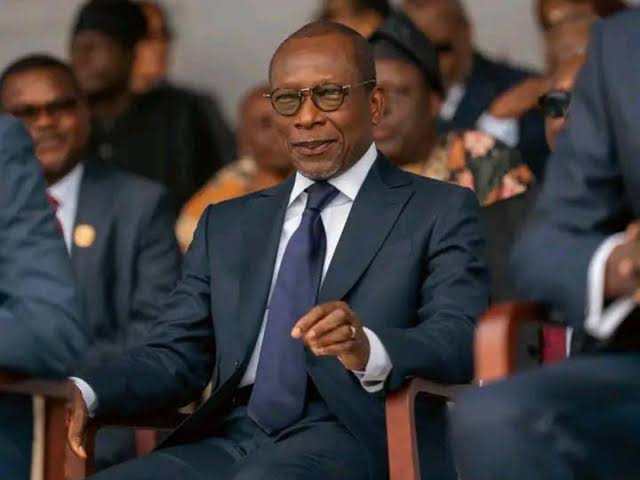
In an unexpected turn in Benin’s legislative calendar, the 2026 budget hearings for the 2027 fiscal year have excluded the Senate president—a move that signals a quiet but decisive shift in parliamentary budget handling. As lawmakers prepare to scrutinize the government’s financial blueprint, Patrice Talon’s absence from the witness list has sparked debate over institutional independence and procedural transparency.

From drafting to debate: how Benin’s Senate budget bypasses direct scrutiny
The absence of Patrice Talon, President of the Senate, from the upcoming National Assembly budget hearings for 2027 is not an oversight—it reflects a carefully structured process embedded in the chamber’s internal rules. While government ministers and senior officials prepare to defend their allocations, the Senate operates under a distinct procedural framework defined by its own regulations.
Understanding Articles 97, 98, and 99 of the Senate’s internal rules
The Senate’s financial autonomy is legally grounded in Articles 97 through 99 of its internal regulations. These provisions establish a two-tiered system: first, the Senate drafts its budget internally based on presidential guidance and government fiscal targets; second, once approved by the Senate itself, the budget is transmitted to the Ministry of Finance for integration into the national finance bill.
Crucially, this means:
- The Senate’s budget is prepared and adopted within the chamber, independent of parliamentary review at that stage;
- Only after internal approval is the budget forwarded as part of the broader state budget proposal;
- The Senate president is not expected to appear before the National Assembly’s Budget Committee because the process follows a predefined institutional path.
A procedural separation, not a budgetary exemption
Contrary to speculation, the Senate does not enjoy fiscal independence. Its resources remain part of the national budget and are subject to parliamentary approval once integrated into the government’s finance bill. This system ensures that while the Senate manages its own financial planning internally, it ultimately remains accountable under the same public finance oversight as other state institutions.
The autonomy lies not in financial immunity, but in the timing and route of budget transmission—giving the upper house greater control over its internal resource allocation before joining the national debate.
Bicameralism without breakage: the unchanged Senate budget route
The establishment of Benin’s bicameral parliament did not alter the Senate’s budget preparation rules. The Senate continues to follow the same Articles 97–99 procedure, maintaining a consistent pathway from internal approval to state-level inclusion. This stability contrasts with assumptions that bicameral reform would trigger changes in financial oversight.
Similarly, the National Assembly itself adheres to a parallel internal process for its own budget, which is also submitted to the government for integration—meaning the absence of both chamber presidents from direct hearings is legally anchored in institutional practice, not coincidence.
Why Talon’s absence doesn’t mean the budget escapes scrutiny
The Senate’s 2027 budget will still be examined—and voted on—by the National Assembly as part of the broader finance bill. What changes is the stage at which accountability occurs: not during an initial hearing with the Senate president, but during the plenary vote on the consolidated budget. This approach prioritizes efficiency and institutional autonomy without compromising legislative oversight.
Ultimately, the decision reflects a strategic evolution in parliamentary budget governance—one that reinforces internal control while ensuring external accountability within the framework of Benin’s democratic institutions.