From black gold to blackouts: the paradox of Niger’s energy sector
How can a nation that exports millions of barrels of oil each year still struggle to ensure basic fuel supplies for its own people? This fundamental question now confronts the military administration of General Abdourahamane Tiani as Niger grapples with a deepening energy crisis. What was once hailed as a milestone in national sovereignty the country’s emergence as a crude exporter has failed to translate into reliable access to gasoline and diesel for citizens, businesses, and essential services.
The disconnect between production capacity and domestic availability has sparked widespread disruption. Long queues at service stations, sudden shortages, and persistent supply gaps have become daily features of life, undermining economic activity and public trust in the government’s management of the sector. For a landlocked country whose economy relies heavily on road transport, fuel scarcity is not a technical glitch it is a systemic failure with real consequences.
Rising production, rising deficits: the numbers behind the breakdown
The paradox is striking. Niger has produced oil since 2011 from the Agadem Basin and operates the Zinder Refinery (SORAZ), a key infrastructure underpinning its energy ambitions. Official data from early 2024 suggested a daily output of roughly 110,000 barrels, with 20,000 refined locally and 90,000 exported. Yet despite these figures, the domestic market faces widening shortfalls.
According to a ministerial briefing in October 2026, the deficit in premium gasoline alone surged from 47.25 million liters in 2024 to 159.74 million in 2025, reaching 196.62 million liters in the first eight months of 2026. Diesel shortages followed a similar trajectory, totaling 52.60 million liters during the same period. These gaps reveal not a temporary hiccup, but a structural imbalance one that persists despite robust production and export volumes.
What explains this disconnect? The fault line lies not in extraction, but in the downstream chain: refining capacity, distribution efficiency, financial liquidity, and coordination among national energy actors. Producing crude and exporting it are one thing; refining it into usable fuel and delivering it across the country are entirely different.
Turning to Algeria: cooperation or compromise in a time of need?
Faced with chronic shortages, Niamey has turned to its northern neighbor. On March 24, 2026, Niger and Algeria signed a hydrocarbons cooperation memorandum, followed in June by three agreements between the National Oil Products Marketing Company (SONIDEP) and subsidiaries of Algeria’s national oil corporation Sonatrach. These accords were framed as a strategic partnership to stabilize domestic supply.
Yet the cooperation raises pressing questions: What financial commitments does Niger undertake? What volumes and pricing structures govern the imports? Are there long-term guarantees, compensation mechanisms, or reciprocal obligations? Without clarity, the public cannot assess whether these arrangements serve national interests or merely address immediate gaps at the expense of future sovereignty.
True energy sovereignty is not measured by the number of international agreements signed or the volume of oil exported. It is measured in the ability to ensure fair prices, continuous supply, and transparent governance. When a country must import products it once refined domestically, especially from a single supplier, it must justify why such dependence persists despite full control over its hydrocarbon resources.
Behind the numbers: debt and dysfunction in the oil chain
The roots of the crisis run deeper than production or policy they are financial. On October 12, 2026, authorities announced the creation of a technical committee to address supply disruptions and restructure cross-debts among the State, SONIDEP, SORAZ, the Niger Electricity Company (NIGELEC), and China National Petroleum Corporation Niger (CNPCNP). The goal: a three-month plan to settle outstanding liabilities and restore liquidity.
This intervention underscores a critical failure: despite oil exports generating significant revenue, the sector has accumulated unsustainable debts that now threaten its own continuity. The committee’s work raises urgent questions: What are the exact amounts owed? Which entities are responsible for the shortfalls? How were contracts drafted and enforced? Without full audits and accountability, technical explanations ring hollow.
Transparency cannot be partial in a sector charged with serving the nation. Citizens deserve to know how public funds were spent, why financial mismanagement occurred, and what structural reforms will prevent repetition.
From pumps to people: the human cost of a broken system
The consequences of this crisis are not abstract. A taxi driver unable to refuel cannot earn a living. A farmer waiting for diesel-powered irrigation cannot tend crops. A shopkeeper unable to restock goods faces loss. The ripple effects extend to healthcare, education, and security sectors dependent on transport and power.
Energy sovereignty is not a political slogan; it is a social contract. The true value of Niger’s oil wealth lies not in barrels exported, but in whether it improves daily life. When citizens spend hours searching for fuel instead of working, studying, or caring for families, the promise of resource-led development rings false.
Can Tiani’s regime turn the tide?
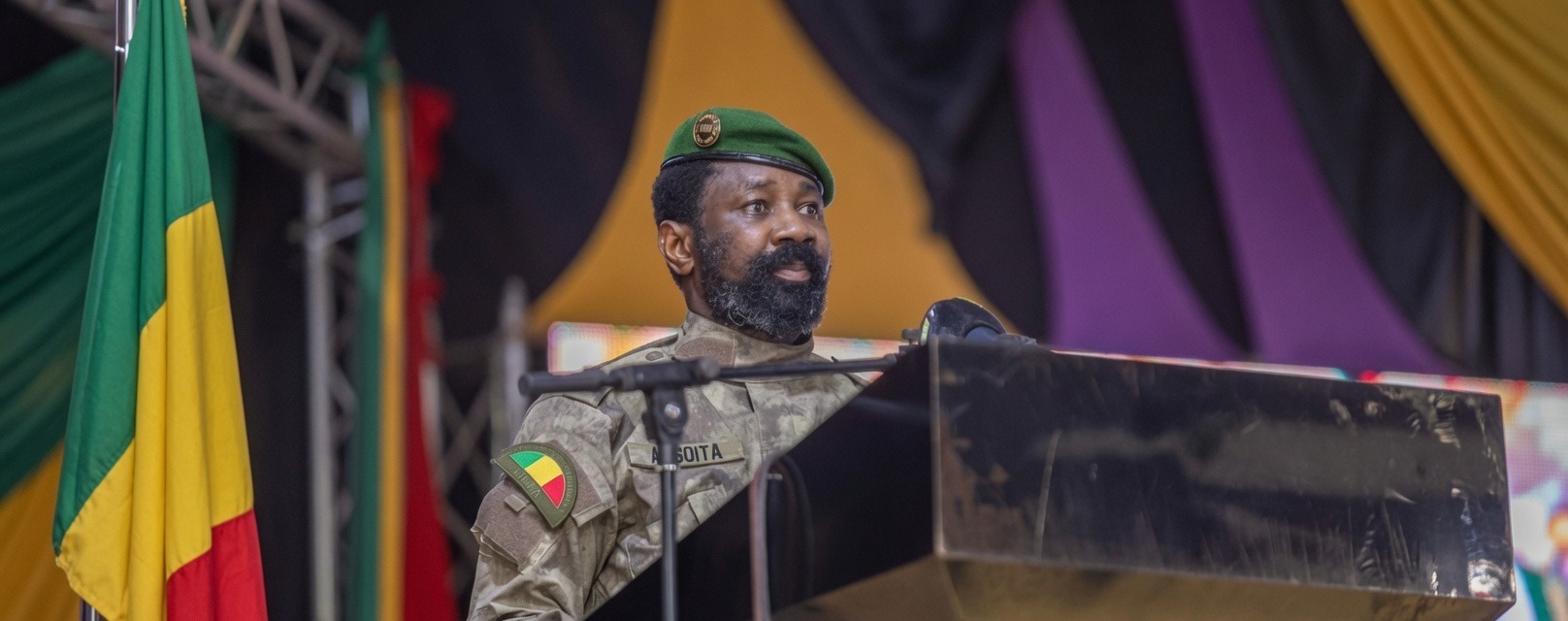
Since assuming power in July 2023, General Tiani has positioned national sovereignty as a cornerstone of his governance. Yet the fuel crisis has exposed a yawning gap between rhetoric and reality. Persistent shortages, opaque import agreements, and unresolved financial pitfalls all challenge the regime’s credibility.
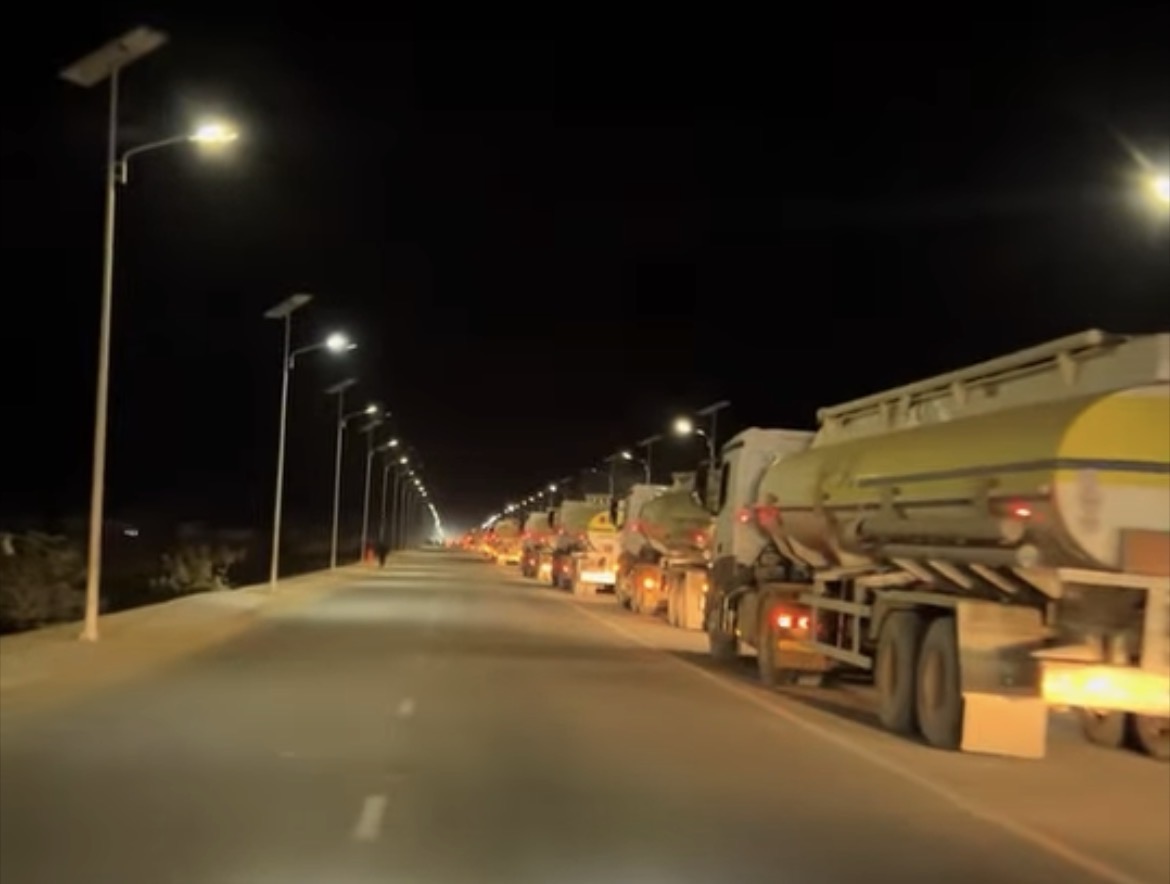
In November 2026, a convoy of 53 tanker trucks arrived from Algeria, delivering 1.65 million liters of fuel to SONIDEP. While a temporary relief, this shipment does not resolve the underlying structural issues. Niger does not need more oil exports or foreign assistance per se it needs a coherent energy strategy, transparent governance, and efficient distribution from source to pump.
The test of sovereignty is not in declarations or ceremonies. It is measured at petrol stations, in the hum of generators in hospitals during power cuts, and in the faces of drivers queuing at dawn. For the Tiani administration, this crisis is more than an administrative challenge it is a referendum on its ability to govern in the national interest.
Until the government publishes comprehensive audits, clarifies the terms of foreign accords, and implements enforceable reforms, the doubts about Niger’s energy future and the credibility of its leadership will endure.
By François Mvondo — Journalist