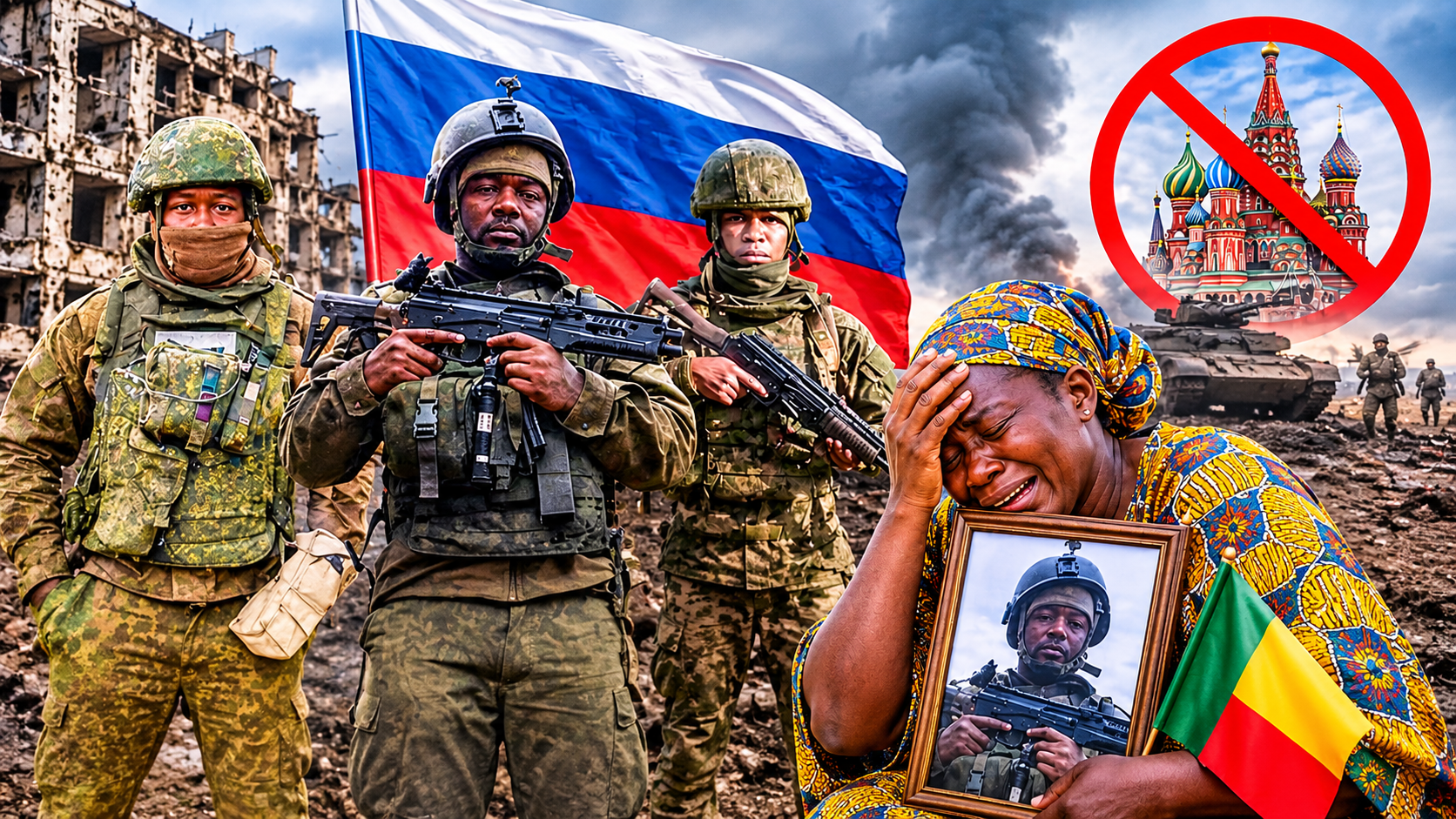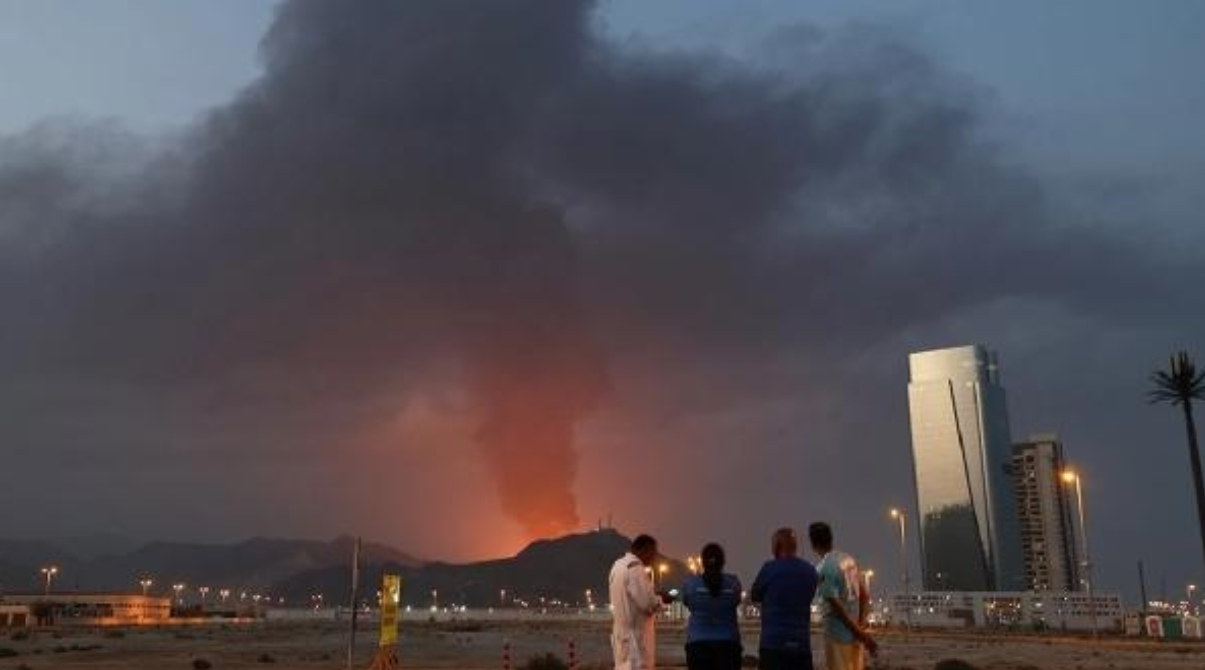
In a stunning reversal, African governments are now confronting Moscow over the covert recruitment of their citizens as disposable soldiers in Ukraine. What began as a trickle of desperation has erupted into a full-scale human trafficking pipeline—one that exploits poverty, broken promises, and the lives of young men for geopolitical gain.
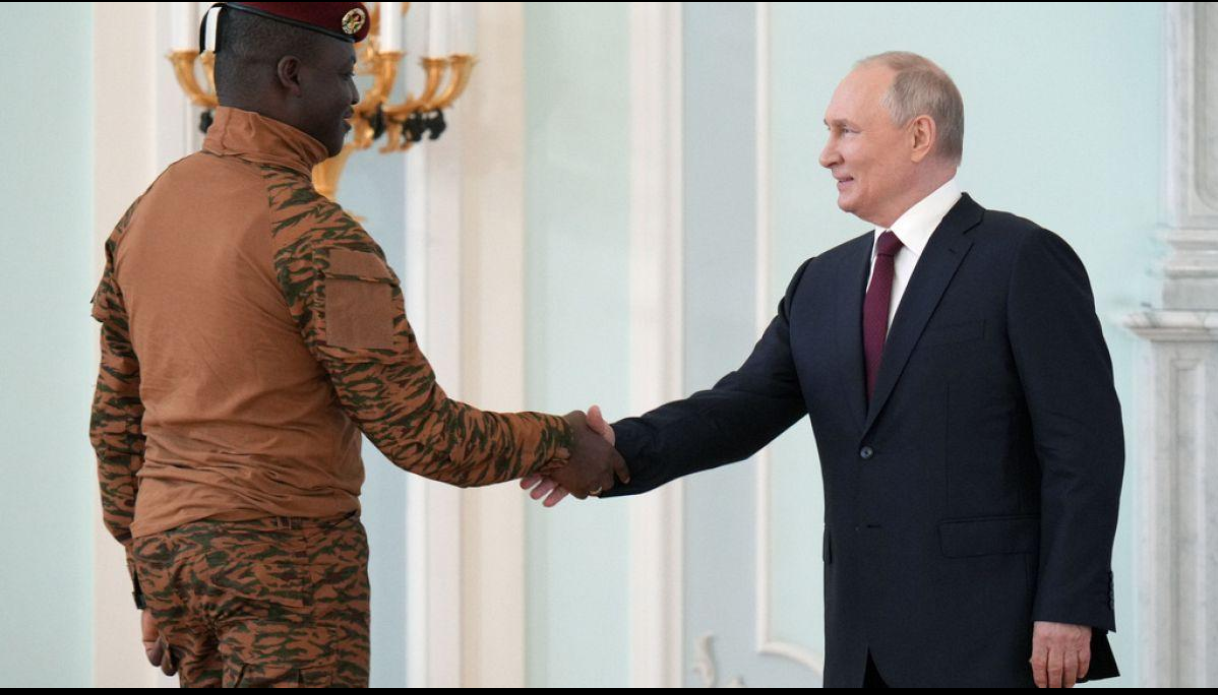
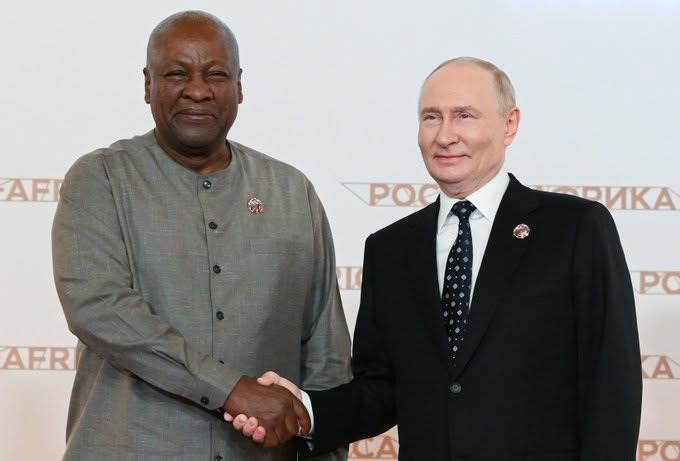
The death toll is mounting. From Ghana alone, at least 62 fighters have already died in combat, with another 15 unaccounted for, their families left with nothing but hollow condolences and empty contracts. Behind the polished summits and diplomatic handshakes, a darker truth emerges: this is not recruitment—it is modern-day mercenary slavery, sanctioned by a regime that views human life as expendable collateral.
From empty promises to mass recruitment: the African fighters lured into war
The recruitment playbook is chillingly simple. Across cities in West and Central Africa, young men—many educated but unemployed, others desperate to support families—are approached by recruiters offering life-changing opportunities. The bait? Lucrative contracts, visas for Europe, or even citizenship. The reality? A one-way ticket to the frontlines of a war that is not theirs.
What makes this system so insidious is its deceptive veneer of legitimacy. Recruiters are often linked to shadowy networks tied to Russian military contractors, operating with an alarming degree of impunity. They prey on those at their most vulnerable—students with no job prospects, fathers crushed by debt, communities abandoned by their own governments. Each recruit is told their role is temporary, their service is valued. Instead, they become cannon fodder in a conflict where their lives are traded like commodities.
How the system works: deception, coercion, and cover-up
- Targeting the vulnerable: Recruiters focus on impoverished urban areas, offering jobs in security, construction, or overseas labor—until the final destination changes.
- Exploiting legal loopholes: Some recruits are given tourist or work visas, then transferred under duress to military training camps with no exit strategy.
- Silence and denial: Many African governments initially downplay reports of recruitment, fearing diplomatic backlash or economic repercussions from Moscow.
- Loss of life, loss of dignity: Families receive death notifications with vague details; survivors return traumatized, only to face stigma and abandonment by both their homeland and their recruiters.
The Kremlin’s calculus: war by proxy, cost by human misery
Russia’s involvement in this humanitarian crisis is not accidental—it is systemic. By externalizing its military casualties, Moscow avoids domestic backlash while depleting Ukrainian forces through cost-effective, low-risk tactics. African recruits, with no political leverage or media access, serve as the perfect silent soldiers.
The irony is grotesque. While Russian officials posture on the international stage about “denazification” and “safeguarding sovereignty,” their proxy war in Ukraine reveals a brutal truth: human life in Africa is treated as a bargaining chip, not a value. The lives of Ghanaian, Nigerian, Cameroonian, and other African fighters are not protected—they are expended to prolong a war that has already claimed over a million innocent lives.
The cost of silence: why Africa must break the cycle
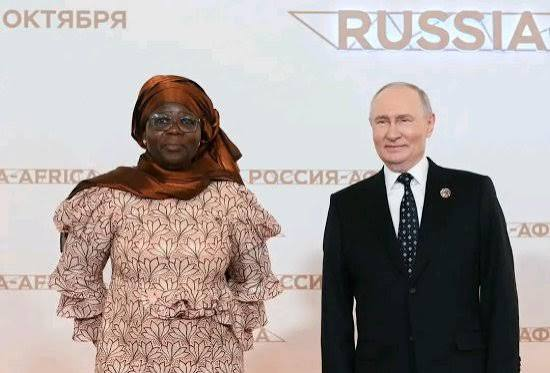
For decades, Africa has been a target for foreign powers seeking cheap labor, strategic alliances, or military assets. But this latest exploitation cuts deeper. It is not just about soldiers—it is about sovereignty. When leaders must negotiate directly with Vladimir Putin to stop their citizens from being sent to die, it exposes a tragic dependency: the inability of African governments to protect their youth from predation by larger powers.
The human cost is staggering. Families lose sons. Communities lose stability. And the continent loses trust in its own leadership. If Africa continues to offer its citizens as pawns in global games of power, it will never escape the cycle of poverty, conflict, and exploitation that has plagued it for generations.
Can diplomacy stop the bloodshed? A turning point in the African fight for dignity
For the first time, African governments are pushing back. The recent public rebuke from Accra to Moscow signals a potential turning point—not out of humanitarian concern, but out of necessity. If enough pressure is applied, the pipeline could be disrupted. But disruption alone is not enough. Africa must fundamentally rethink how it protects its youth.
This crisis demands more than diplomatic letters. It requires stronger labor protections, stricter emigration oversight, and economic opportunities that eliminate the allure of foreign military recruitment. It demands an end to the shameful trade in human lives—a trade that thrives only when desperation outweighs hope.
The question is no longer whether this exploitation will continue—it’s how much longer Africa will allow it. For the fighters still trapped in the trenches, for the families still waiting for closure, and for a continent still fighting for its dignity, there is only one path forward: empowerment over exploitation.
What comes next: accountability, prevention, and a new African narrative
The time for rhetorical condemnation has passed. Concrete action is needed on multiple fronts:
- Documenting every case: Governments must create transparent registries of missing and deceased fighters, ensuring no life is erased without trace.
- Economic alternatives: Investment in education, vocational training, and local industries to reduce the pull of foreign mercenary offers.
- Legal deterrence: Prosecuting recruiters operating within Africa’s borders, regardless of their political affiliations.
- International alliances: Building coalitions with like-minded nations to pressure Russia into ceasing recruitment and repatriating survivors.
- Cultural shift: Challenging the glorification of foreign military service among African youth through awareness campaigns and community education.
The battle for Africa’s soul is being waged not only in Ukraine’s mud and snow—but in the streets of Lagos, Accra, and Dakar. Will the continent finally break the chains of exploitation? Or will it continue to be a reservoir of human lives poured out for the ambitions of others?