Trump’s Calculated Gamble: A Last-Minute Strike That Changes Everything
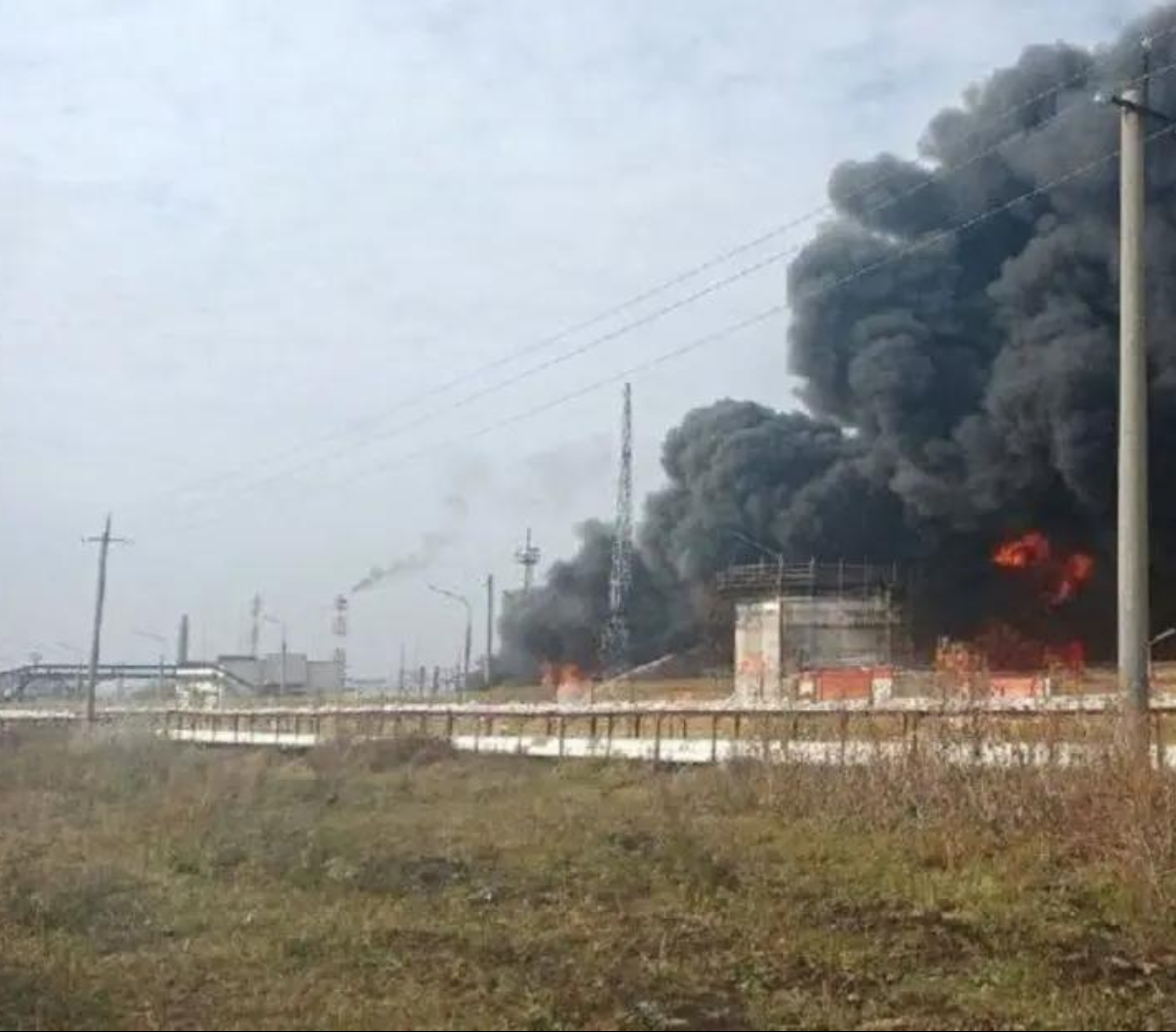
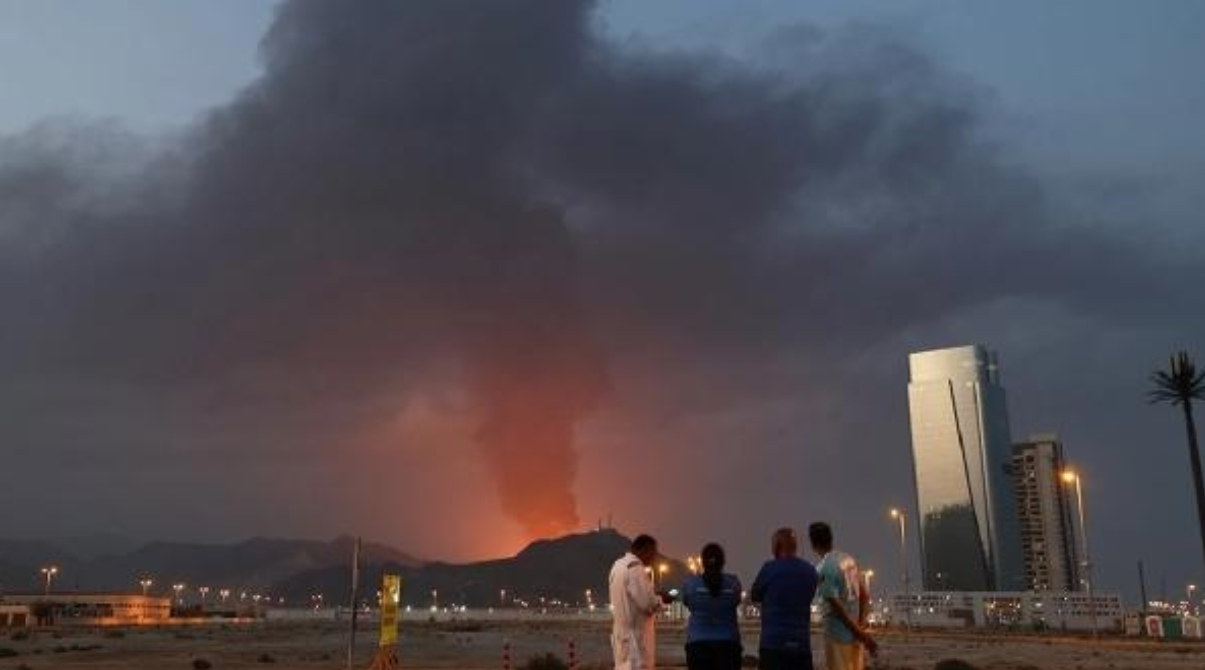
As the clock ticked down to the 2024 US midterm elections, Donald Trump authorized a series of targeted strikes on Iranian military positions in the Strait of Hormuz—a move that sent shockwaves through Washington and the global oil markets. Just one day before Americans cast their ballots, the president made a bold decision that could reshape the political landscape and test voter confidence in his leadership.
The timing of the operation raises critical questions. While Trump had previously pledged restraint, these strikes on Qeshm Island contradicted his earlier assurances, leaving both allies and critics scrambling to interpret his true intentions.
From Campaign Promises to Conflict: How One Decision Could Alter Midterm Outcomes
The upcoming midterms represent a pivotal moment for Trump’s political legacy. With the entire House of Representatives and a third of the Senate up for election, the stakes couldn’t be higher. Yet the specter of Middle Eastern conflict looms large over the vote, threatening to overshadow domestic concerns like inflation and economic stability.
Recent polls show waning public support for military engagement in the region, with only 31% of Americans approving of the conflict compared to 63% who disapprove. The rising cost of fuel, already a top voter concern, now faces further pressure due to the heightened tensions in Hormuz—a critical chokepoint for global oil supplies.
The Economic Domino Effect: Why Hormuz Strikes Could Backfire at the Polls
The Strait of Hormuz is more than a military flashpoint—it’s an economic lifeline. Nearly 20% of the world’s oil transits through this narrow waterway, and any disruption sends ripples through gasoline prices worldwide. For American households already struggling with high living costs, another price surge at the pump could sway voter sentiment decisively.
Democrats are expected to weaponize economic anxieties, framing Trump’s military actions as reckless and out of touch with the priorities of everyday Americans. With fuel prices already a pain point for voters, the timing of these strikes risks amplifying discontent just as ballots are cast.
Republicans on the Edge: Can Trump’s Strategy Save or Sink the Midterms?
Within Republican ranks, the strikes have sparked a fierce debate. While some voters applaud Trump’s hardline stance against Iran, others fear a prolonged military entanglement that could drain resources and further inflate costs. The White House, aware of these tensions, reportedly urged restraint to avoid letting foreign policy dominate the election narrative—but events on the ground defied those efforts.
A Republican loss in the midterms could give Democrats new leverage to scrutinize Trump’s foreign policy decisions, particularly his handling of the Iran conflict. A Democratic-controlled House would gain the power to investigate military spending, challenge executive authority, and apply political pressure where it hurts most.
The Countdown to November 3: A Crossroads for Trump’s Presidency
As Election Day approached, Trump faced an impossible balancing act: projecting strength to his base while addressing the economic fallout of his own decisions. The Hormuz strikes may not single-handedly determine the election’s outcome, but they have the potential to crystallize voter anxieties—turning foreign policy into a make-or-break issue for millions of Americans.
Will voters perceive these strikes as decisive leadership or a dangerous escalation? The answer could redefine Trump’s political future—and shape US foreign policy for years to come.