Breaking the Mold: The True Leaders in Africa’s Counterterrorism Arms Trade
For years, the narrative surrounding Africa’s military alliances has been dominated by one country: Russia. With its growing presence in the Sahel—particularly in Mali, Burkina Faso, and Niger—Moscow has cultivated an image as the continent’s go-to arms supplier. Yet, when the numbers are crunched, a different story emerges. The latest data from the Stockholm International Peace Research Institute (SIPRI), covering 2021-2025, reveals a striking shift in power dynamics. Far from leading the pack, Russia ranks third in Africa’s arms imports, trailing both China and the United States.
The findings paint a clear picture: while Russia’s diplomatic and military footprint in Africa remains significant, its commercial dominance in the arms trade is no longer a given. This turning point underscores a broader trend—one where Beijing and Washington are rapidly reshaping the continent’s security landscape.
Data Doesn’t Lie: The Numbers Reveal a New Hierarchy
SIPRI’s latest report, published in early 2026, offers a detailed breakdown of Africa’s arms imports over the past five years. At the continental level, the United States held a 19% share of major arms transfers, followed closely by China at 17% and Russia at 15%. France, once a dominant player, dropped to 8.3%. In Sub-Saharan Africa, where counterterrorism efforts are most critical, China took the lead with 22% of arms imports, outpacing Russia (12%) and Turkey (11%).
These figures dispel the myth of Russia’s unrivaled influence in Africa’s arms market. Instead, they highlight a competitive field where multiple stakeholders are vying for influence—and where Beijing is asserting itself as a formidable alternative to both Moscow and Western capitals.
China’s Ascent: More Than Just Arms for Africa’s Armies
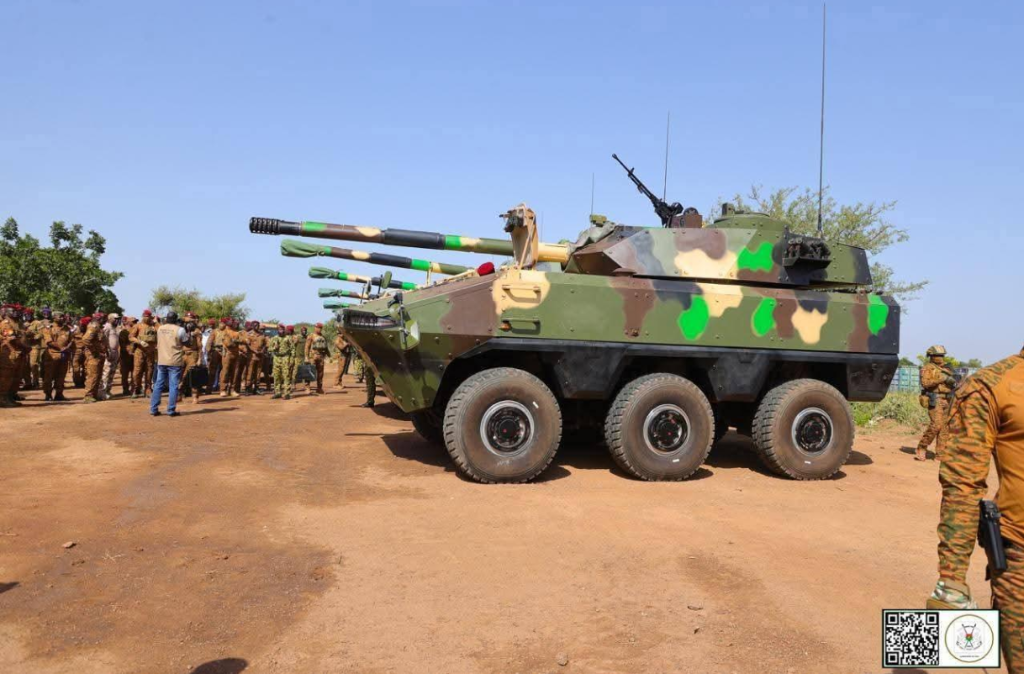
China’s rise in Africa’s defense sector isn’t just about selling weapons; it’s about offering a comprehensive package tailored to the continent’s evolving security challenges. From armored vehicles and surveillance drones to air defense systems and artillery, Beijing’s military exports are designed to meet the operational demands of armies battling insurgencies and terrorist groups.
Notable Chinese military transfers to African nations include:
- 116 infantry transport vehicles and six assault vehicles delivered to Burkina Faso in 2024
- Military equipment, training, and potential technology transfers to Mali through partnerships with NORINCO
- Delivery of armored vehicles and weapon systems to multiple Sahelian countries
The strategic value of these exports goes beyond firepower. Drones, for instance, provide critical intelligence and early-warning capabilities, while armored vehicles enhance troop mobility in hostile terrain. China’s approach also includes long-term support, such as maintenance services and training, reducing the logistical burden on African militaries.
This holistic strategy stands in contrast to Russia’s model, which, while operationally impactful, has been constrained by global sanctions and Moscow’s own military commitments abroad.
Russia’s Shadow: Visibility vs. Volume in Africa’s Security Landscape
Russia’s military engagements in Africa remain highly visible, particularly in the Central African Republic and Mali, where private military contractors—once part of the Wagner Group—now operate under the banner of the Africa Corps. This presence ensures Moscow retains a foothold in shaping security policies on the ground.
However, visibility does not equate to commercial dominance. SIPRI’s data shows a stark 64% decline in Russia’s global arms exports between 2016-2020 and 2021-2025. The war in Ukraine, international sanctions, and the Kremlin’s prioritization of its own military needs have all contributed to this contraction.
For African governments, the question is no longer just about who supplies the most weapons but about which partnerships deliver tangible security outcomes. While Russia’s operational support—through advisors, training, and on-the-ground coordination—remains valuable, its declining export capacity limits its role as a primary arms supplier.
The Real Test: Building Sustainable Counterterrorism Capabilities
The fight against terrorism in Africa demands more than just hardware. It requires reliable intelligence, aerial capabilities, cross-border cooperation, and state presence in vulnerable regions. Effective partnerships must address these gaps—not just through arms sales but through training, technology transfer, and institutional support.
African nations now face a balancing act. Diversifying suppliers can reduce over-reliance on a single partner, but it also introduces new challenges—such as technological dependence, maintenance costs, and the risk of arms proliferation. The key will be selecting the right mix of allies that align with long-term security goals.
One thing is clear: Africa is no longer beholden to a single power for its defense needs. The rise of China and the sustained influence of the United States are creating a more competitive—and potentially more responsive—security environment. For African leaders, this shift offers an opportunity to negotiate better terms, access cutting-edge technology, and build partnerships that extend beyond the battlefield.
Africa’s Defense Market: A Race to the Top
The data tells a compelling story. As Russia’s arms exports dwindle and its operational engagements face scrutiny, China and the United States are filling the void with a mix of military hardware, strategic partnerships, and logistical support. Africa’s counterterrorism fight is evolving, and with it, the dynamics of its defense alliances.
For policymakers and military planners across the continent, the message is clear: the future of security cooperation in Africa will be shaped by those who can offer not just weapons, but sustainable, integrated solutions. As Beijing and Washington continue to invest in the continent’s defense infrastructure, Moscow’s influence may become a footnote in a rapidly changing narrative.
The real winners? The African nations who can leverage this competition to build stronger, more resilient security architectures.