Cotonou summit sparks potential breakthrough in Haiti’s security partnership
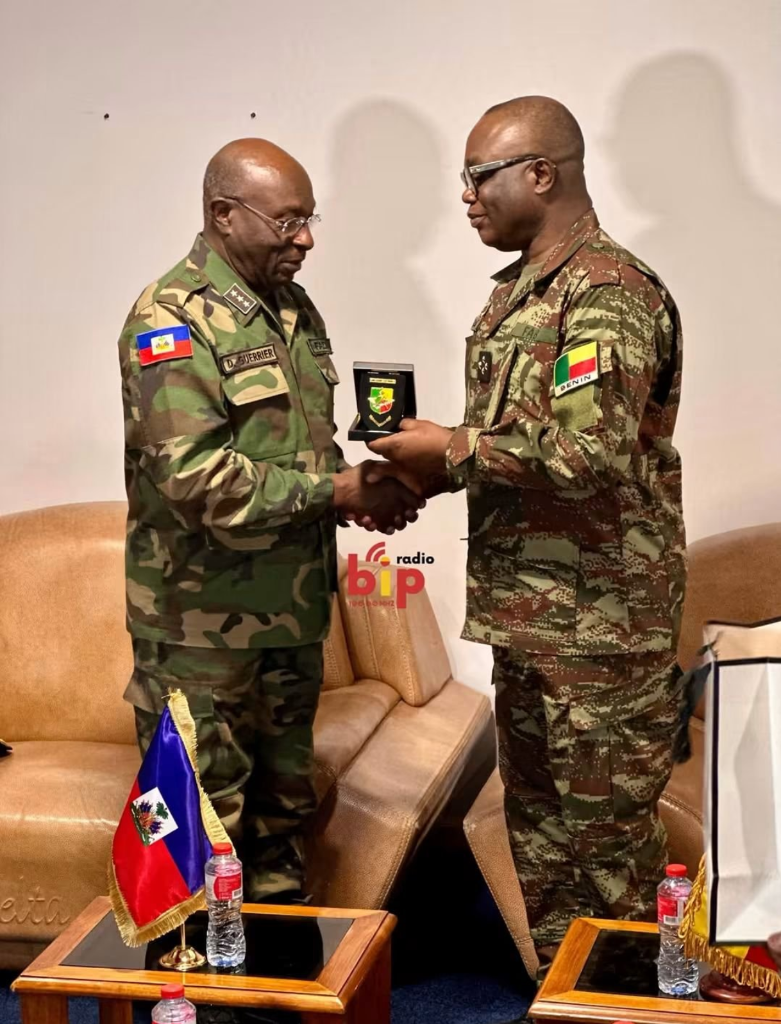
The historic meeting between Haiti’s top military commander and his Beninese counterpart in Cotonou marks a decisive turning point in their defense cooperation, as Port-au-Prince seeks new allies to combat escalating gang violence and institutional collapse. Lieutenant General Derby Guerrier’s official visit to Benin on November 3, 2026, underscores a major strategic shift in Haiti’s approach to regional security alliances, coming at a moment when both nations face pressing internal and external threats.
From promise to practice: Benin’s stalled 2024 Haiti deployment proposal
This diplomatic engagement gains urgency following Benin’s 2024 pledge to send 1,500 – potentially 2,000 – troops to Haiti under the UN-backed Multinational Security Support Mission (MSS), led by Kenya. While President Patrice Talon’s administration had publicly committed to stabilizing Haiti’s crisis, logistical hurdles including command structure disputes, funding uncertainties, and operational coordination questions prevented deployment. The unresolved issues surrounding this pledge now resurface as critical discussion points during General Guerrier’s visit.
The command question that derailed Benin’s Haiti commitment
Key obstacles emerged when Beninese officials questioned the mission’s leadership model, specifically the dominance of a Kenyan police officer over military command in an operation where soldiers would be the primary force deployed. The absence of clear guidelines on troop integration and operational control stalled what could have been West Africa’s largest contingent in Haiti’s stabilization efforts. These same concerns now frame the current negotiations in Cotonou, where both sides aim to clarify terms that would make future collaboration viable.
Shared security challenges fueling bilateral defense dialogue
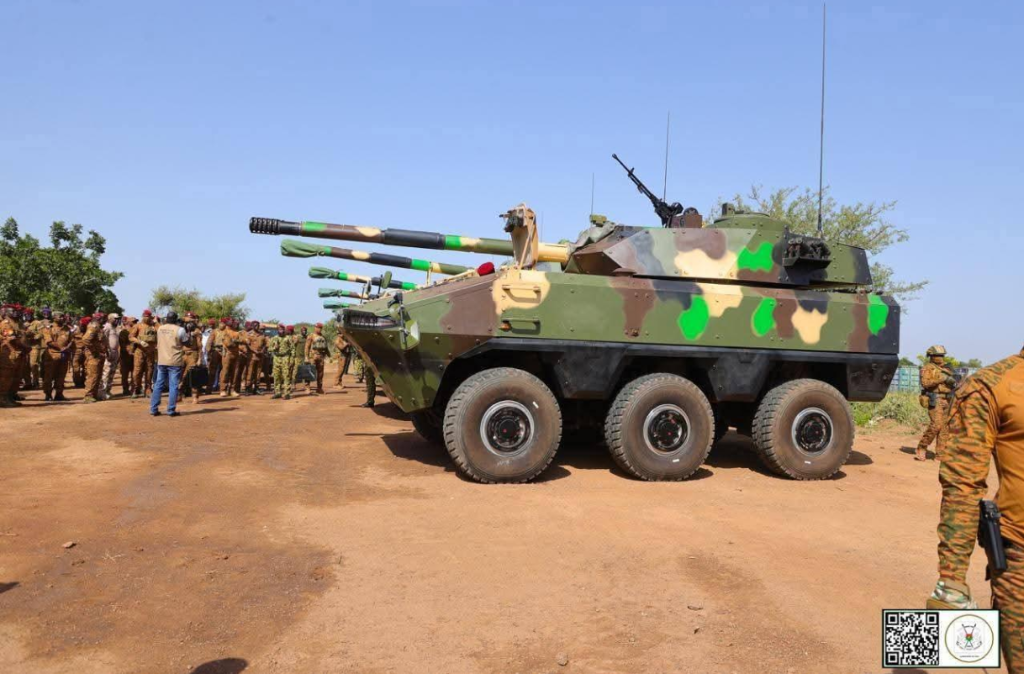
Beyond Haiti’s immediate crisis, both nations confront parallel security threats that create fertile ground for military knowledge exchange. Benin’s ongoing battle against jihadist expansion in its northern territories mirrors Haiti’s struggle with armed groups that now control entire neighborhoods in Port-au-Prince. This convergence of challenges makes Benin’s counter-terrorism experience particularly valuable to Haiti’s armed forces, which are rapidly adapting to non-traditional warfare within urban centers.
Key areas for potential military collaboration
Senior officers from both countries have identified several critical domains where cooperation could yield immediate benefits:
- Intelligence sharing: Developing joint threat assessment protocols for cross-border criminal networks and gang syndicates
- Operational training: Specialized courses in urban combat, hostage rescue, and civil-military coordination
- Logistics optimization: Streamlining supply chains and medical evacuation procedures for high-risk zones
- Command structure reforms: Aligning military governance models with international peacekeeping standards
South-South solidarity reshapes Haiti’s international alliances
General Guerrier’s mission represents more than tactical discussions—it symbolizes Haiti’s pivot toward African partnerships in its hour of need. The historical, cultural, and linguistic ties between Haiti and francophone Africa provide a natural foundation for this relationship, offering a counterbalance to the dominance of Western-led security assistance. This burgeoning African connection could fundamentally alter future peacekeeping architectures in the Caribbean nation.
Uncertain outcomes but clear strategic intent
While no official announcement regarding Benin’s troop deployment has been made, both parties acknowledge the visit’s significance as a confidence-building measure. The absence of concrete decisions reflects the complex nature of military-to-military agreements between sovereign nations, where political considerations often delay implementation of security partnerships. However, the momentum generated by this engagement suggests that structured collaboration may soon move beyond theoretical discussions.
What comes next for Haiti-Benin defense relations
The true test of this diplomatic opening will lie in the ability of both armed forces to transition from dialogue to deliverable action. Concrete steps could include joint military exercises, staff college exchanges, or a phased deployment of Beninese advisors. For Haiti, these initiatives would provide immediate operational expertise. For Benin, they offer an opportunity to test new military doctrines in a real-world stabilization scenario. The question now shifts from whether cooperation is possible to how soon both nations can translate this diplomatic breakthrough into measurable security gains.