From pursuit to tragedy: how a routine control escalated into a deadly explosion
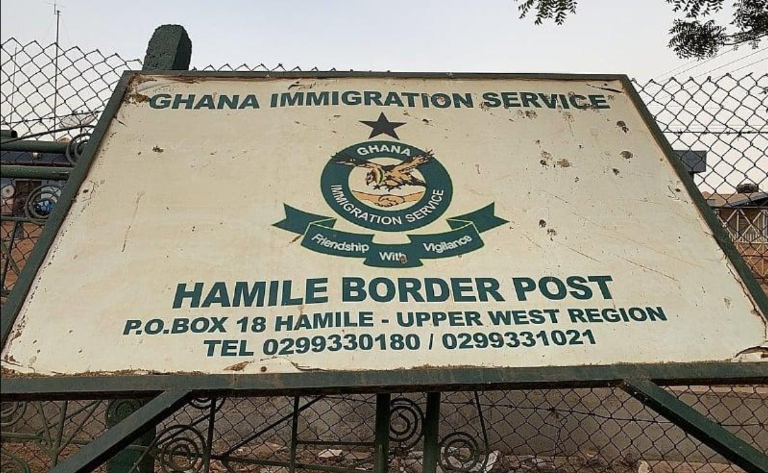
The northern border town of Hamile has become the epicenter of a shocking incident that has left one immigration officer dead and another critically injured. The blast, which tore through a pursuit operation targeting a motorcycle taxi reportedly carrying suspected explosives, has sparked urgent calls for a reassessment of border security in one of Ghana’s most volatile regions.
What happened in Hamile? The facts as they emerge
On a Tuesday morning in early November, security personnel attempted to stop a motorcycle taxi traveling on an unauthorized route near the Burkina Faso border. The vehicle, allegedly transporting undeclared and potentially dangerous materials including dynamite, failed to heed commands to halt. What followed was a high-speed pursuit that ended in disaster when the motorcycle taxi exploded, engulfing pursuing officers in a deadly blast.
- Casualties: One Ghana Immigration Service officer died at the scene, while a security officer remains in critical condition. The occupants of the motorcycle taxi were also killed.
- Cause of explosion: Authorities have not confirmed whether the blast was accidental or intentional, nor have they verified the exact origin or type of explosives involved.
- Investigation status: An ongoing inquiry aims to determine how and why the explosion occurred, including the chain of events leading to the pursuit.
Why Hamile is a gateway under pressure
Hamile, located in Ghana’s Upper West Region, sits on a delicate fault line where security meets commerce. The town is a vital crossing point for regional trade and cross-border movement, but its strategic position also makes it vulnerable to illicit activity. Unauthorized routes and porous borders have long complicated efforts by security forces to monitor the flow of goods—especially those that could pose public safety risks.
This is not the first incident in the area, but its severity has forced a moment of reckoning. Local communities rely on cross-border exchanges for livelihoods, yet the presence of unregulated routes enables the circulation of dangerous materials—sometimes with fatal consequences.
Ghana’s northern frontier in a Sahel shadow
The explosion comes amid deepening instability across the Sahel, particularly in neighboring Burkina Faso, where armed groups continue to exploit porous borders and weak governance to expand their influence. While no evidence currently links the Hamile blast to such groups, the incident has intensified concerns about spillover risks and the potential for violence to seep into Ghanaian territory.
In response, Ghanaian authorities have strengthened patrols and intelligence-sharing across the northern border zones. Yet the challenge remains formidable: balancing tighter security with the economic and social realities of border communities that depend on transnational trade.
Beyond the blast: what needs to change?
This tragic event is more than a one-off incident—it is a turning point. To prevent future disasters, a multi-layered approach is required:
- Rigorous route control: Implementing stricter monitoring of unauthorized paths and improving detection technologies at border access points.
- Community cooperation: Engaging local leaders and residents in reporting suspicious activities and supporting joint surveillance efforts.
- Clearer regulatory frameworks: Strengthening laws around the transport and storage of explosives, and ensuring compliance through regular inspections.
- Intelligence integration: Enhancing real-time information sharing between security agencies to track illicit movements before they escalate.
These steps must be pursued with urgency and transparency. The loss of life in Hamile demands action—not just in words, but in measurable, sustained change.
Awaiting answers: the road to clarity
While public attention focuses on the unfolding investigation, the families of the victims and the injured await closure. Authorities have pledged full transparency, but the process must move swiftly and thoroughly. Every question must be answered: What really triggered the explosion? Were there warning signs overlooked? How can similar pursuits be conducted safely in the future?
Until answers emerge, one truth is clear: the blast at Hamile is not just an accident—it is a call to action. For Ghana’s security, for its border communities, and for the stability of the entire region.
Key takeaway
The Hamile explosion marks a pivotal moment in Ghana’s border security narrative. It exposes critical vulnerabilities and underscores the need for coordinated, community-centered strategies to prevent future tragedies.