Turning to African expertise in the face of escalating insecurity
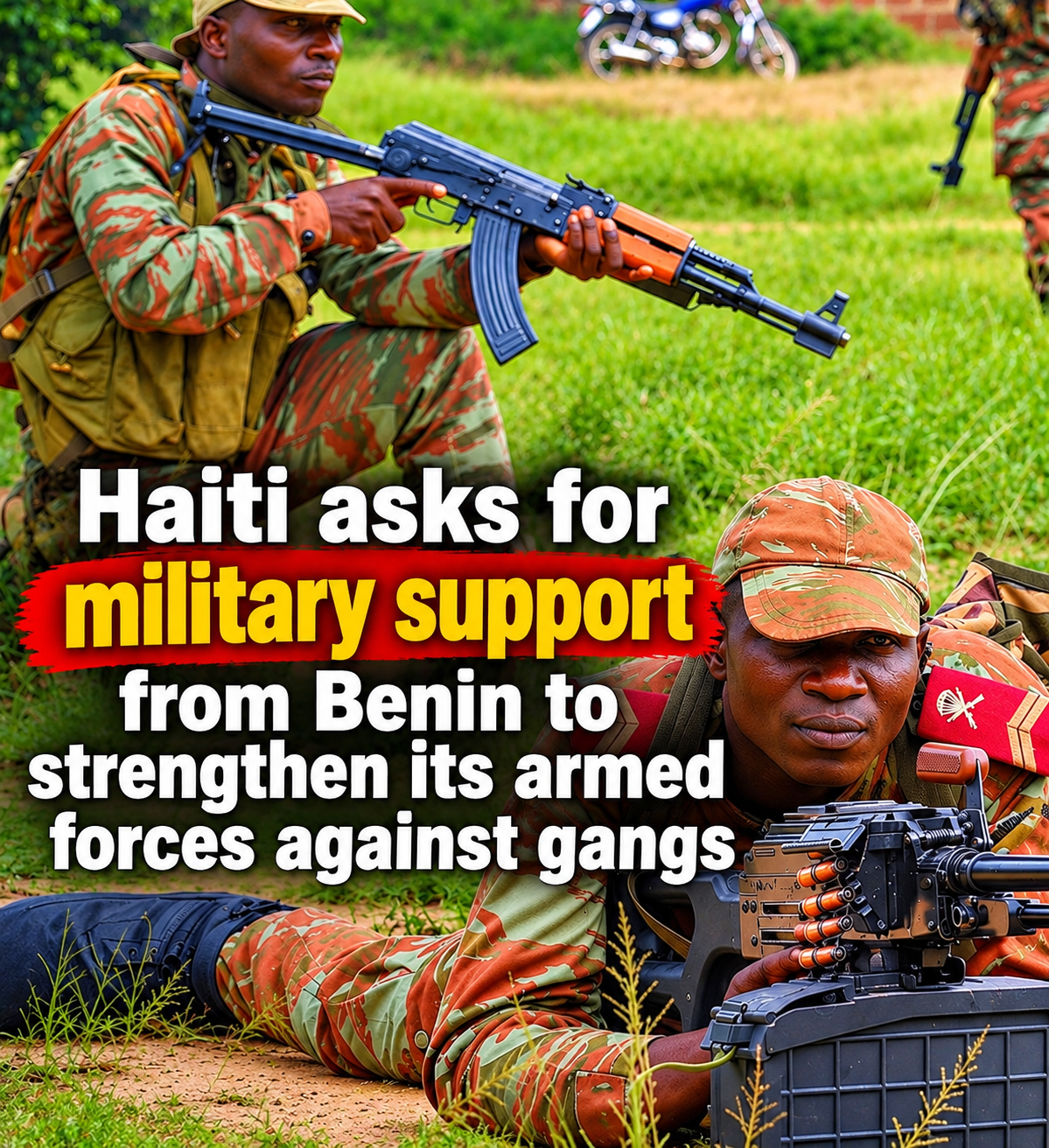
As armed gangs extend their reach across Haiti, Port-au-Prince has taken a decisive step by seeking military support from Benin. This strategic pivot underscores the urgent need for enhanced operational training and knowledge-sharing to bolster Haiti’s security apparatus amid a deepening crisis.
Strengthening Haiti’s security through targeted military collaboration
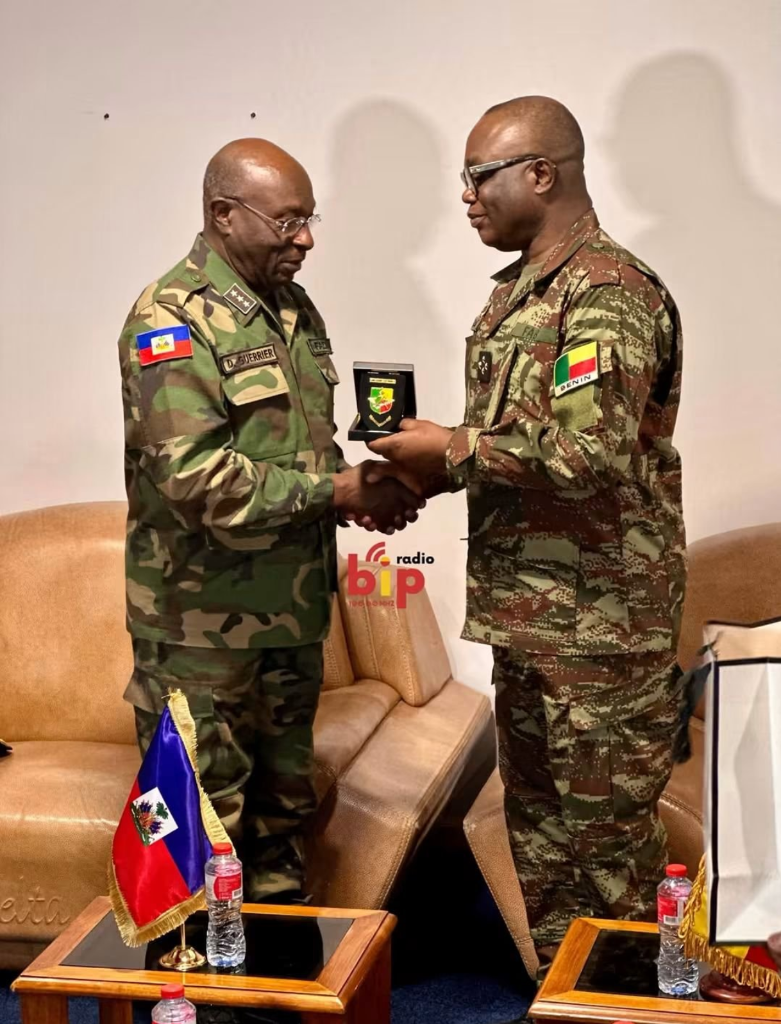
Haiti’s ongoing struggle against armed groups has exposed critical gaps in its military preparedness. The government’s decision to collaborate with Benin reflects a broader search for solutions that prioritize sustained capacity-building over immediate, but temporary, fixes. High-level defense consultations between the two nations on November 3, 2026, in Cotonou, signal a commitment to long-term security enhancement.
Addressing Haiti’s urban gang threat with tailored military solutions
The gangs’ entrenched control over urban zones presents unique operational challenges. Unlike conventional warfare, confronting these groups demands specialized training in urban combat, intelligence coordination, and civilian protection. Benin’s experience in adapting to asymmetrical threats offers a valuable model, provided Haiti’s specific context is carefully considered in any shared tactics.
Why Benin’s military model resonates with Haiti’s needs
Benin has faced its own security challenges, particularly in its northern regions, where counterinsurgency and stabilization efforts have shaped its military doctrine. This firsthand experience has refined Benin’s approach to training, operational readiness, and rapid response. For Haiti, borrowing from this model could bridge gaps in discipline, strategic planning, and force coordination key areas where local forces have struggled.
The role of knowledge transfer over hardware solutions
While armaments and troop numbers often dominate security discussions, this partnership emphasizes training as the cornerstone. Advanced drills in ambush response, supply-line protection, and small-unit tactics can significantly elevate Haiti’s military performance. However, success hinges on tailoring these methods to Haiti’s urban landscape, where gangs exploit dense neighborhoods and limited state presence.
Operationalizing the partnership: from dialogue to action
Transforming initial discussions into measurable outcomes will require clear benchmarks. Haiti’s military leadership must identify priority areas such as sniper training, hostage rescue, or civilian evacuation protocols and integrate Benin’s instructors into their training regimens. Regular assessments will ensure that theoretical knowledge translates into battlefield effectiveness.
Building resilience beyond the military sphere
Military reform alone cannot resolve Haiti’s crisis, which is compounded by political instability and economic fragility. Yet, a well-trained force is better positioned to restore order, enabling other sectors governance, healthcare, and infrastructure to stabilize. This partnership, therefore, represents a pivotal moment in Haiti’s path toward reclaiming its security.
Reimagining South-South security cooperation
This initiative challenges the notion that only traditional powers can offer viable military solutions. Countries like Benin, with direct experience in asymmetric warfare, provide a pragmatic alternative. By sharing tried-and-tested strategies, Benin is not merely supplying expertise it is fostering a model of collaborative resilience that could inspire other nations facing similar threats.
Long-term impact: what success looks like for Haiti
For this cooperation to yield tangible results, Haiti must commit to sustained investment in its military’s human capital. The first phase will likely focus on officer training and mid-level command restructuring. Over time, the goal is to cultivate a self-sufficient force capable of adapting to evolving gang tactics without relying solely on external support.
A new chapter in Haiti’s security strategy
The November 2026 talks in Cotonou mark more than a diplomatic gesture they signal a strategic inflection point. By aligning with Benin’s military expertise, Haiti is not just seeking temporary relief from gang violence; it is laying the groundwork for a durable recovery. The true test, however, will be whether this alliance can translate shared knowledge into a safer future for its people.
By François Mvondo — Journalist