Congressional Shift 2026: a Turning Point for Trump’s Foreign Policy
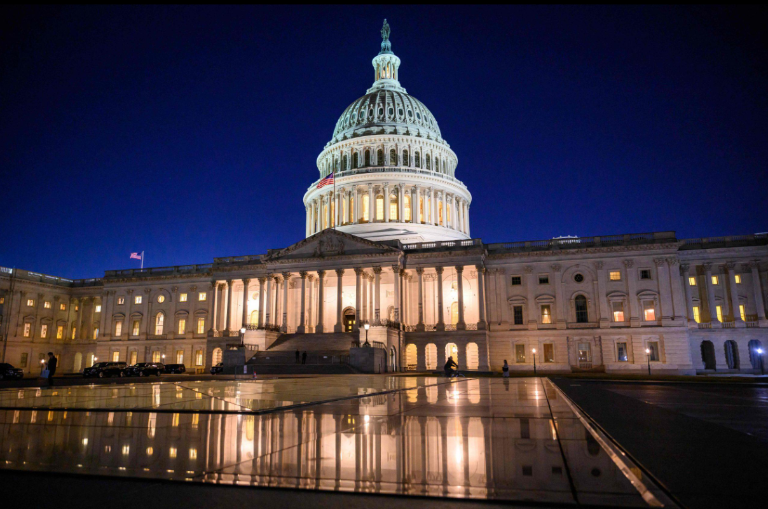
The American electorate has delivered a decisive verdict. Democrats have reclaimed control of both chambers of Congress in the November 3 midterm elections, handing Donald Trump one of the most significant political setbacks of his career. Less than two years into his second term, the president now faces a resurgent opposition that will shape the trajectory of U.S. diplomacy, defense policy, and global alliances for years to come.
This election outcome is more than a political rebuke—it signals a potential turning point in how America engages with the world. From Iran to Ukraine, from transatlantic relations to trade disputes, the new congressional dynamic could force Donald Trump to recalibrate or defend his foreign policy in ways that test the limits of presidential authority.
What the Democratic Majority Means for Global Diplomacy
Under Republican control, the 118th Congress rubber-stamped much of Trump’s foreign policy agenda. That alignment is now history. Come January 2027, Democrats will wield powerful legislative tools: control over federal budgets, subpoena power, public hearings, and the ability to block key diplomatic and military nominations. These levers will give Congress unprecedented influence over how America projects power abroad.
While the president retains constitutional powers—such as commander-in-chief authority and veto power—the arrival of a Democratic Congress is set to create friction. Executive decisions on Iran, Ukraine, and trade could face new scrutiny, funding could be delayed, and transparency demands could rise. The result? A foreign policy that is no longer unfolding with unchecked presidential discretion.
The Iran Conflict: Congress’s New Hand in Military Strategy
The February 2026 U.S. military intervention in Iran, launched without prior congressional approval, sparked widespread public backlash and criticism. With Democrats now in control, that decision is under fresh scrutiny. The new majority has signalled intent to review military funding, demand detailed oversight of covert operations, and challenge the administration’s escalation narrative.
Yet Congress lacks the unilateral power to halt an ongoing war. Its options are limited to budgetary pressure, oversight hearings, and public pressure—tools that may slow Trump’s hand but cannot immediately reverse military action. Still, the shift sends a clear message: Washington’s strategic decisions will no longer be made behind closed doors without consequence.
Transatlantic Reset in Question
European leaders have long criticized Trump’s transactional approach to NATO and Ukraine. His skepticism toward multilateral alliances and unpredictable trade policies have strained transatlantic bonds. The Democratic victory in the midterms offers renewed hope for a more predictable U.S. stance—one that prioritizes diplomacy, upholds commitments, and strengthens cooperation.
But Europe should not expect an automatic return to the status quo ante. While Democrats may push for increased aid to Ukraine and deeper alliance coordination, the president still holds decisive power over military deployments, negotiation frameworks, and final authority over foreign policy goals. The new Congress can advocate, but Trump ultimately decides.
Trade Wars and Budget Battles: Domestic Battlegrounds with Global Impact
Trump’s tariff policies have alienated allies and disrupted supply chains, fueling inflation and trade disputes. The Democratic Congress is poised to scrutinize these measures, potentially introducing oversight bills, trade agreements, or budget riders to moderate their impact.
However, the president retains significant executive authority over trade policy. He can veto bills, issue executive orders, and use emergency powers—tools that limit Congress’s ability to reverse tariffs or sanctions without bipartisan support. The result is a high-stakes tug-of-war: policy can be debated, delayed, or diluted, but not easily undone.
Can America Still Lead? The World Watches a Fractured Superpower
At home, the political divide is deepening. Abroad, adversaries and allies alike are assessing Washington’s ability to act decisively. The 2026 midterms have not diminished America’s military or economic might—but they have exposed a vulnerability: the risk of paralysis in a world that demands rapid, coherent action.
For the first time in Trump’s presidency, his foreign policy will face real-time pushback—not from foreign capitals, but from within the halls of Congress. The question is no longer whether Trump can fulfill his agenda, but whether America can maintain its global leadership amid internal division.
As the 2028 election looms, the stakes are clear. The U.S. remains a superpower, but its influence now hinges on the fragile balance between presidential ambition and congressional oversight—a balance that could redefine global power dynamics for decades.