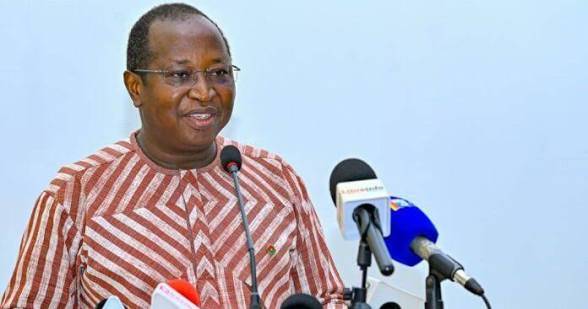
Third rejection delivers historic blow to Senegal’s revised budget
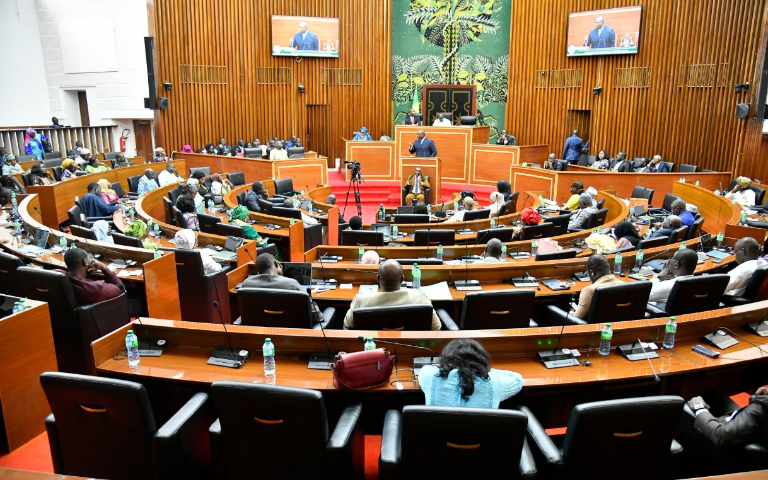
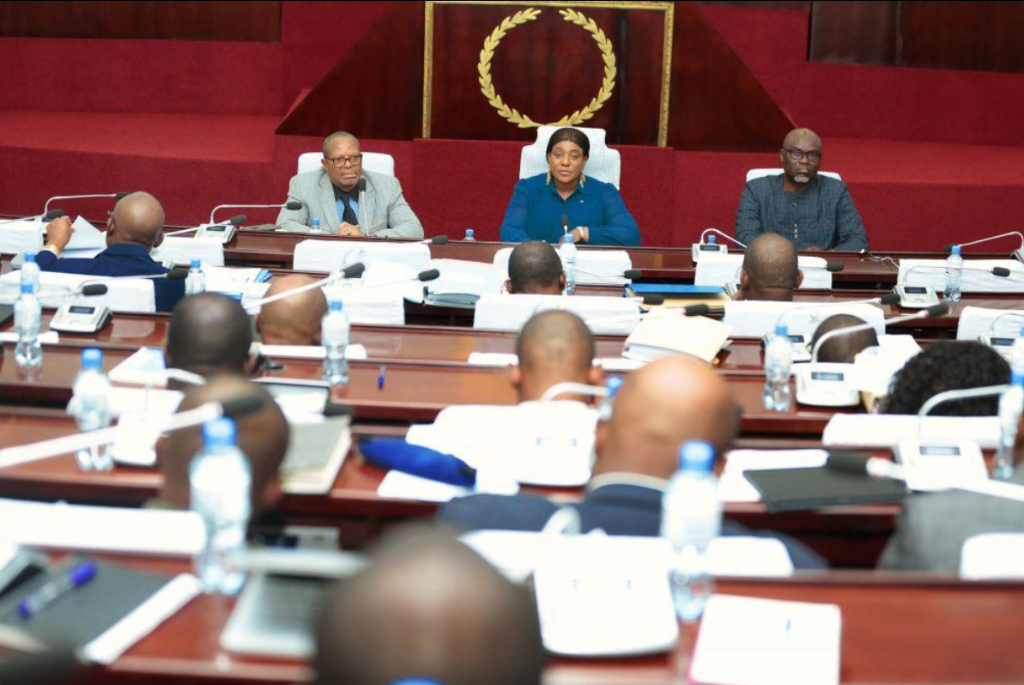
In a landmark parliamentary showdown on November 3, 2026, Senegal’s National Assembly delivered a third and final rejection of the 2026 Supplementary Finance Law (LFR), crippling the government’s ability to implement critical fiscal adjustments. The historic veto—following two prior defeats in the Finance and Budget Oversight Committee—exposes a widening fracture within the ruling coalition and signals a decisive shift in the balance of power between President Bassirou Diomaye Faye’s administration and lawmakers.
From alignment to confrontation: the unraveling of Senegal’s legislative alliance
The collapse of the budget vote marks a dramatic fall from grace for what was once hailed as a unified legislative front. At the heart of the rupture lies a fundamental dispute between President Faye and his former ally, Prime Minister Ousmane Sonko, whose legislative bloc—Pastef—led the opposition to the bill.
The Sonko factor: a rebellion within the ruling coalition
Sonko’s public call to block the LFR represented more than a policy disagreement—it was a direct challenge to the administration’s authority. By framing the vote as a matter of principle, Sonko challenged the government’s claim that the budget was a collective priority, arguing instead that it undermined parliamentary sovereignty and imposed top-down fiscal decisions without adequate consultation.
Structural cracks in the coalition’s foundation
The breach between Faye and Sonko reflects deeper tensions over governance style, economic priorities, and the distribution of political power. While the president’s team pushed for accelerated fiscal consolidation, Sonko’s faction insisted on protecting public investment and expanding social programs—positions that proved incompatible during negotiations.
The core grievances fueling the parliamentary revolt
Beyond personalities, the budget’s failure stemmed from substantive concerns over fiscal responsibility, transparency, and economic inclusivity. Finance committee members highlighted three major areas of contention:
- Severe cuts to social infrastructure: Planned reductions of 555 billion FCFA targeted vital sectors, including health centers, school construction, housing projects, and flood mitigation programs—cuts that committee members argued would disproportionately harm vulnerable communities.
- Debt governance and transparency deficits: Lawmakers demanded full public disclosure of borrowing terms, audit reports on special funds, and clearer accountability for debt accumulation, which they viewed as unsustainable without rigorous oversight.
- Deficit ceiling deemed too low: Despite revisions proposed by Finance Minister Cheikh Diba, the government’s deficit target of 1.735 trillion FCFA (7.6% of GDP) was rejected as insufficient to address the economic challenges facing households and businesses.
A war of words escalates into institutional conflict
The parliamentary rejection was not merely procedural—it was a rebuke of the government’s approach to fiscal leadership. Public exchanges grew increasingly heated, with the Prime Minister accusing lawmakers of ‘punishing the people’ by rejecting needed reforms, while the ruling coalition countered by asserting their constitutional duty to scrutinize public spending. This clash over control of the budget process underscored a growing institutional distrust between the executive and legislative branches.
Implications of a stalled budget: risks and possible outcomes
The triple veto triggers a cascade of financial and political risks, creating uncertainty around the state’s ability to fund essential services and honor international obligations.
Legal and fiscal emergency pathways
The government may resort to extraordinary measures under constitutional provisions, such as Article 86, to bypass parliamentary approval and implement expenditures through interim provisional appropriations. However, this strategy risks escalating tensions and eroding public trust in democratic institutions.
Political fallout and potential showdowns
With trust eroded, legislative leaders have not ruled out more aggressive responses, including a motion of no confidence in the government—a move that could trigger a constitutional crisis and force early elections.
Economic ripple effects across sectors
The Finance Ministry has cautioned that continued paralysis in the budget process could delay disbursements from international partners, suspend budget support payments, and disrupt payments to state-linked contractors—threatening business continuity and public service delivery.
What lies ahead: three possible scenarios
As Senegal navigates this pivotal moment, three potential trajectories emerge:
- A negotiated compromise: High-level talks between the presidency, Sonko, and parliamentary leaders could yield revised fiscal targets, restored investment levels, and enhanced transparency mechanisms, restoring cooperation.
- Constitutional confrontation: The executive may push ahead with emergency decrees, risking a political and legal standoff that could further polarize the nation and test the resilience of its democratic institutions.
- Institutional reform or realignment: The crisis may force a redefinition of roles between the presidency and parliament, potentially leading to new governance protocols or even a restructuring of the ruling coalition to restore stability.