Poland launches extraordinary security operation to counter Russian hybrid threats
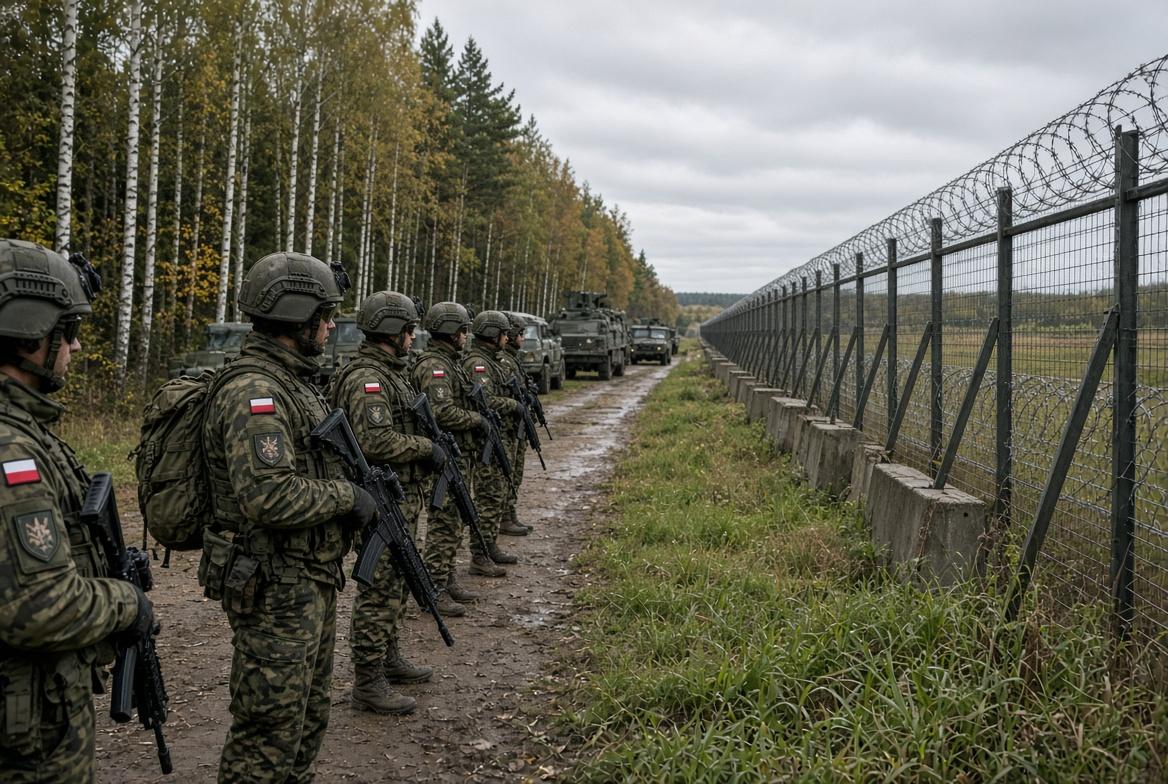
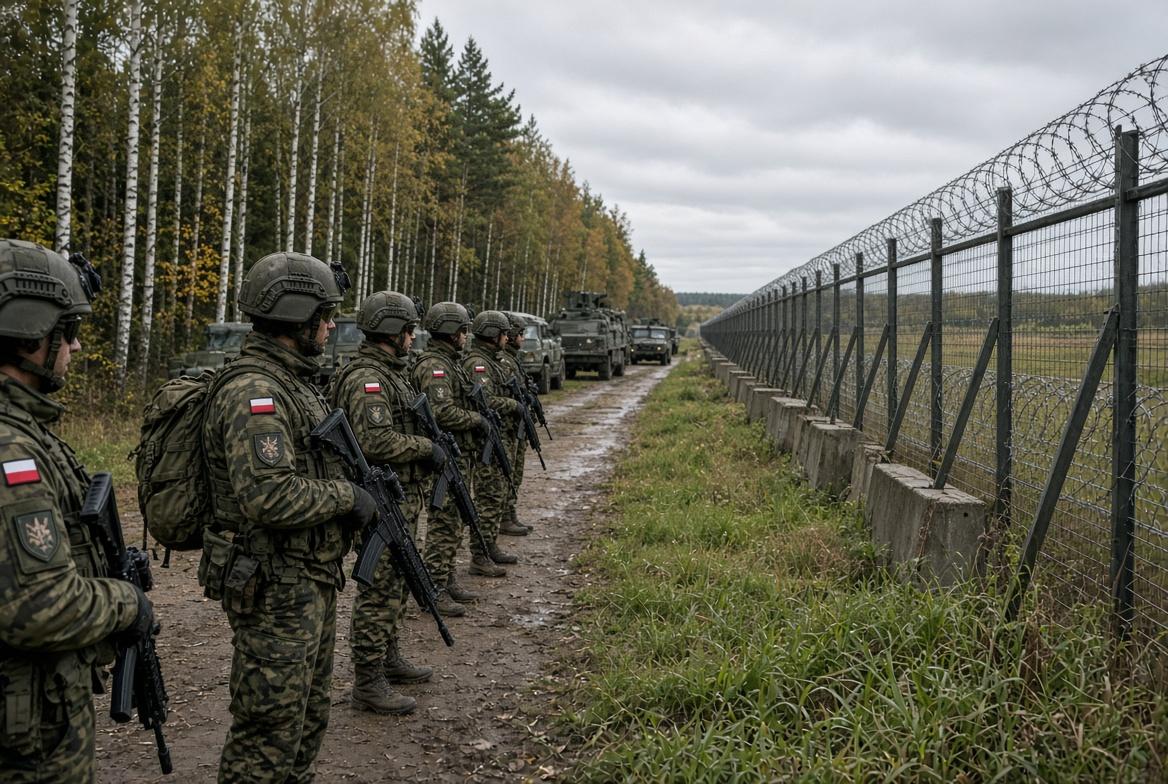
As tensions along NATO’s eastern frontier reach a critical tipping point, Poland has executed a bold, large-scale security initiative along its northeastern border adjacent to the heavily militarized Kaliningrad enclave. This strategic pivot reflects Warsaw’s resolve to preempt and neutralize emerging threats that could destabilize Europe’s fragile security balance. The move marks a decisive turning point in regional defense strategies, signaling Poland’s readiness to confront Russia’s evolving threats head-on.
Key factors driving this unprecedented security surge include:
- Heightened drone incursions and suspicious aerial activity over Polish airspace
- Credible intelligence pointing to potential sabotage operations targeting critical infrastructure
- Russia’s demonstrated willingness to weaponize migration flows and cyber operations
Military-grade border fortification: a new era of deterrence
Poland’s security overhaul represents more than just enhanced border controls — it establishes a military-grade protective shield that integrates multiple security layers. The comprehensive operation brings together border guards, national police, elite counterterrorism units, and regular army battalions in a synchronized defense network designed to permanently eliminate vulnerabilities.
Critical objectives of this fortified defense perimeter include:
- Total sealing of vulnerable border zones to prevent infiltration by Russian-trained operatives
- 24/7 surveillance of key infrastructure bridges, energy grids, and communication networks
- Rapid response protocols for intercepting potential sabotage attempts
Turning the tide against hybrid warfare tactics
This strategic deployment serves as Poland’s most robust response yet to Moscow’s asymmetric warfare playbook. As Russia increasingly relies on hybrid tactics — including cyber attacks, psychological operations, and proxy infiltration — Poland’s ironclad border security strategy represents a fundamental shift in how Europe defends against these modern threats. The Warsaw government has made it clear: there will be no tolerance for Russia’s attempts to destabilize critical infrastructure through covert means.
The operational architecture now in place features:
- Advanced surveillance drones patrolling sensitive border sectors
- Mobile response teams equipped for rapid deployment
- Real-time intelligence sharing between military and law enforcement
NATO’s eastern sentinel: Poland’s growing security role
By fortifying its northeastern frontier with such unprecedented measures, Poland cements its position as NATO’s most formidable eastern bulwark. The security operation demonstrates Warsaw’s breakthrough approach to regional defense, one that combines military deterrence with proactive countermeasures against hybrid aggression. As the Ukraine conflict continues to shape the broader security landscape, Poland’s actions send a powerful signal: the alliance will no longer tolerate Russian provocations anywhere along its eastern flank.
Preparedness meets deterrence: what this means for Europe’s security
The Polish government’s strategic pivot represents more than just national defense — it establishes a new security standard for NATO’s eastern flank. By deploying such comprehensive border fortifications, Warsaw has effectively closed off vulnerabilities that Russia has repeatedly attempted to exploit. This decisive action underscores Poland’s commitment to maintaining regional stability while forcing Moscow to reconsider its calculus of hybrid warfare tactics.
The long-term implications include:
- Enhanced resilience of Poland’s critical infrastructure networks
- Increased pressure on Russian hybrid warfare capabilities
- Establishment of a new deterrence benchmark for NATO’s eastern members