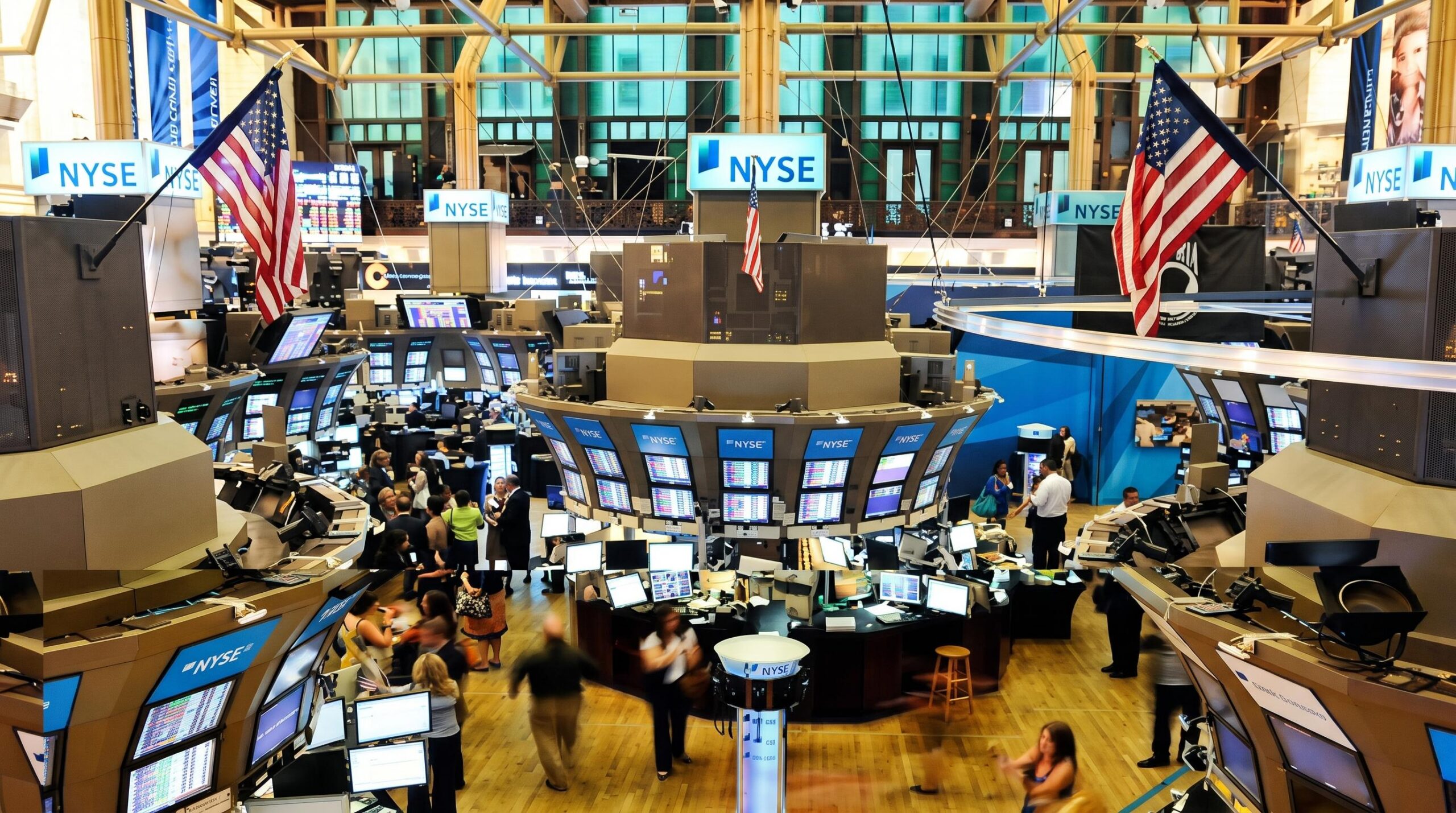
New York — Wall Street just witnessed one of its most brutal trading days in recent memory. A seismic shift in investor sentiment triggered a historic sell-off, vaporizing over $2.5 trillion in market value from technology and semiconductor stocks in a single session. The Nasdaq Composite, the heartbeat of the tech industry, bore the brunt of the collapse, sending shockwaves through global markets.
The brutal reckoning: why AI and chip stocks took the hardest hit
The Nasdaq’s meltdown wasn’t just another market dip—it was a turning point. Investors, once enamored with the AI revolution, are now demanding concrete returns on the trillions poured into data centers, servers, and energy infrastructure. The optimism that once fueled these sectors has collided with cold reality, leaving the following giants exposed:
- Nvidia, the poster child of the GPU boom, saw its stock plummet between 6% and 9%, erasing tens of billions in market cap within hours. The company’s once-unassailable dominance in AI chips is now under scrutiny as questions mount about sustainable growth.
- AMD and Broadcom weren’t spared, with AMD’s shares crashing by 6% to 17%, while Broadcom faced similar pressure. These declines reflect a broader retreat from companies tied to the AI supply chain.
- The semiconductor crunch deepened as Micron Technology, Western Digital, and SanDisk plunged between 10% and 22%. The sell-off underscores waning confidence in data center demand, a cornerstone of AI’s future.
The Philadelphia Semiconductor Index (SOX) nosedived over 12%, wiping out months of gains and signaling a fundamental shift in sector sentiment. With AI and chip stocks leading the charge downward, the Nasdaq’s steep decline wasn’t an isolated event—it was a systemic correction.
Market bloodbath: the fall of Nasdaq, S&P 500, and Dow Jones
The carnage extended far beyond the tech sector, engulfing major U.S. indices in a wave of red:
- Nasdaq Composite: The tech-heavy index cratered under the weight of megacap stocks, including the AI and semiconductor giants.
- S&P 500: Plunged over 2.6% to 4.3%, marking its worst single-day performance of the year. Blue-chip companies outside tech also took a beating.
- Dow Jones Industrial Average: Fell sharply by over 3%, dragged down by industrial and tech-heavy components.
- VIX Index: Surged a staggering 33% to surpass 60, a clear sign of panic among portfolio managers and a resurgence of market volatility.
The VIX’s spike to levels not seen in months highlights the psychological toll of the sell-off, with traders bracing for further turbulence.
Three explosive triggers behind the market meltdown
This wasn’t a random downturn—it was the culmination of three critical pressures that converged to trigger a full-blown rout:
- Questioning the ROI of AI investments: After years of soaring valuations, investors are finally scrutinizing the lag between hype and real-world profitability. The billions sunk into AI infrastructure—from chips to energy—are coming under fire as returns fall short of expectations.
- Regulatory clouds over data centers: Political uncertainty surrounding data center expansion in the U.S. is casting a shadow over future demand for semiconductors. Concerns over energy consumption, grid capacity, and regulatory hurdles are dampening growth prospects for an industry already reeling from overcapacity fears.
- Automated sell-offs and technical breakdowns: After months of record highs, algorithmic trading systems and hedge funds triggered automatic sell orders when key technical thresholds (like the 200-day moving average) were breached. What started as a natural correction spiraled into a full-blown liquidation frenzy.
Global tremors: how Wall Street’s collapse rattled international markets
The domino effect was immediate. Asian markets, tightly linked to U.S. tech and semiconductor supply chains, bore the brunt of the fallout:
- Nikkei 225 (Tokyo): Dropped 6% as investors fled risk assets.
- Kospi (Seoul): Collapsed over 8%, with Samsung and SK Hynix—key suppliers to U.S. tech—leading the decline.
The global reaction underscores how interconnected modern markets have become, with Wall Street’s turmoil amplifying volatility from Seoul to Tokyo. As debate rages over whether this is a temporary correction or the start of a deeper tech bubble deflation, one thing is clear: the era of unchecked optimism in AI and semiconductors has reached an inflection point.
What’s next? navigating the road ahead
Investors are now eyeing critical developments that could either stabilize or further destabilize markets:
- Earnings reports: Upcoming quarterly results from key players like Nvidia and AMD will provide the first real test of whether the sell-off was justified or overdone.
- Regulatory clarity: Clarity (or lack thereof) on data center policies in the U.S. could either restore confidence or deepen uncertainty in the semiconductor sector.
- Central bank signals: With the VIX flashing red, the Federal Reserve and other major central banks may need to reassess their stance on interest rates and liquidity to prevent a broader crisis.
The question on everyone’s lips is whether this is the beginning of a prolonged downturn or a much-needed correction. One thing is certain: Wall Street’s explosive shift has reset the playing field for tech and semiconductor stocks—and the repercussions will be felt for months to come.