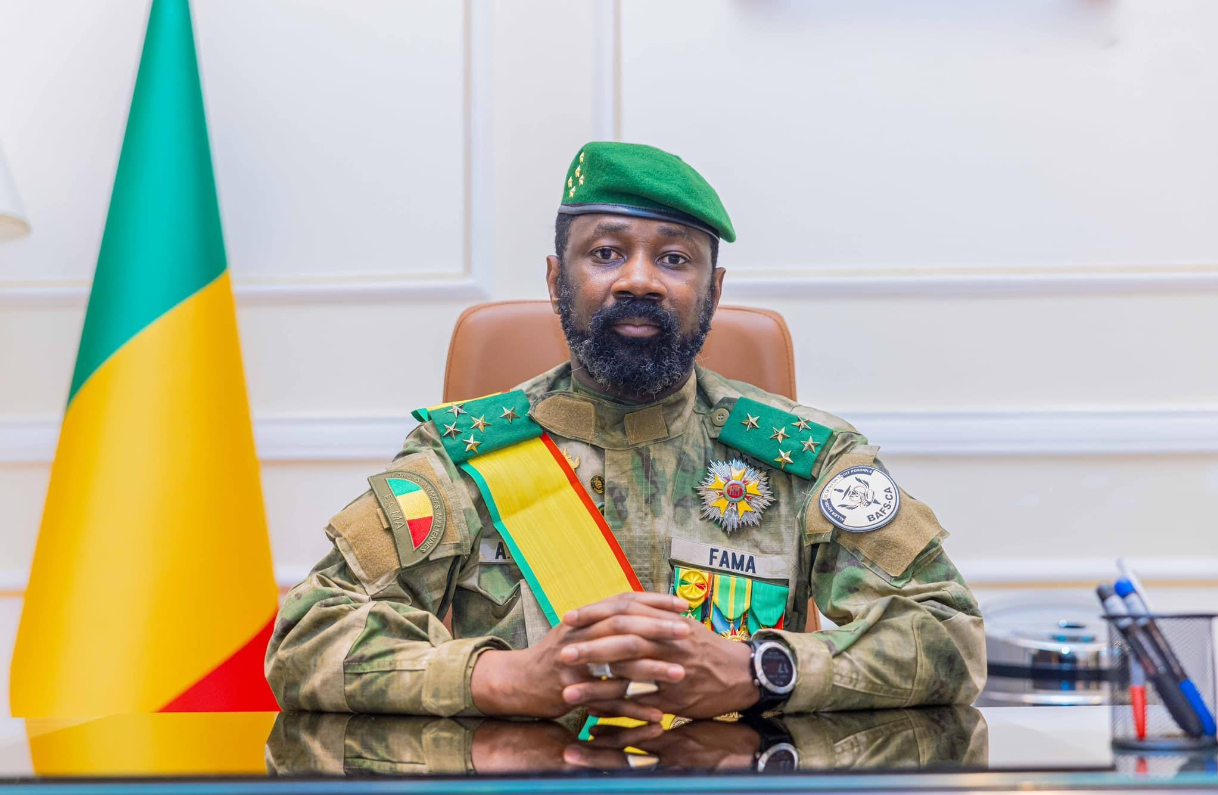
A historic meeting in Ouagadougou signals a decisive shift in Sahelian diplomacy. As Mali and Burkina Faso strengthen their partnership, the absence of Niger’s president from the November 5 summit spotlights a pivotal moment for the Alliance of Sahel States (AES). While bilateral cooperation takes center stage, the broader question lingers: can the AES maintain its momentum without consistent tripartite engagement?
Diplomatic momentum despite a missing partner
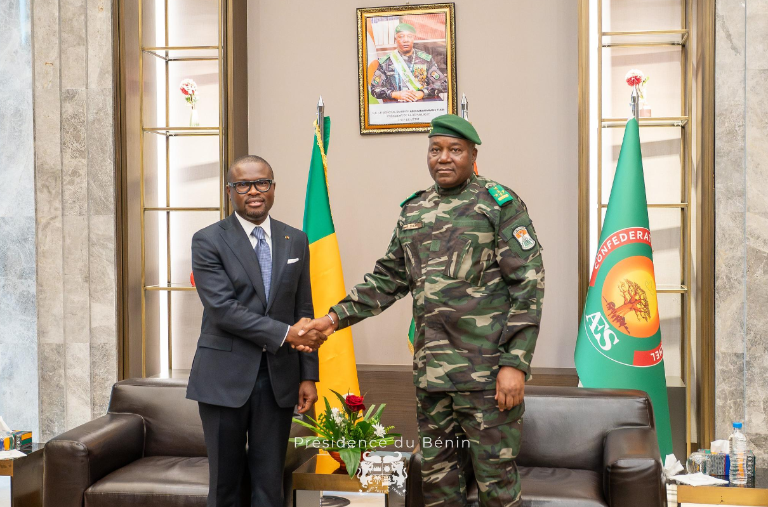
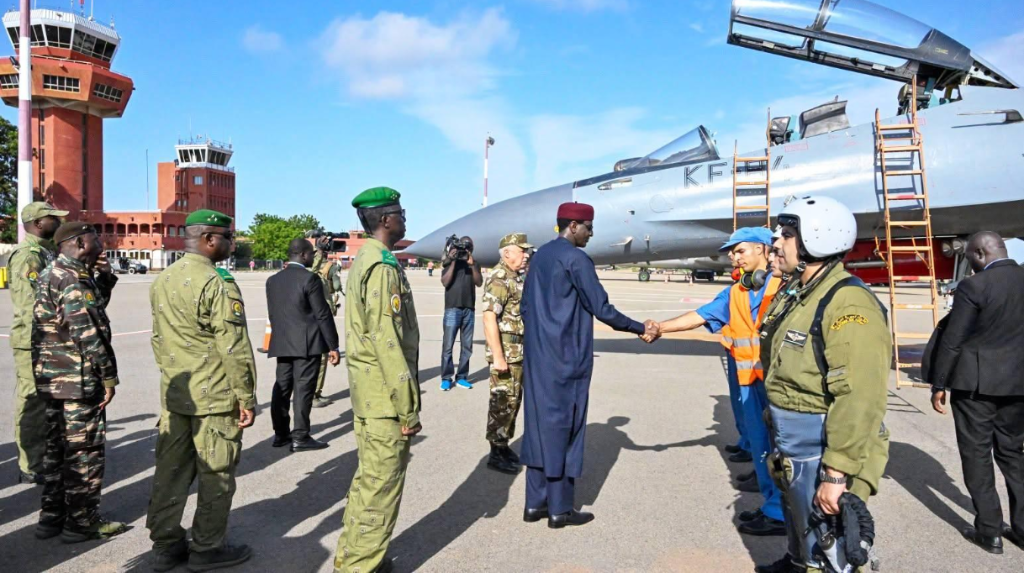
The Malian president, General Assimi Goïta, arrived in Ouagadougou on November 5 for a high-profile working visit, welcomed by his Burkinabè counterpart, Captain Ibrahim Traoré. This meeting underscores the deepening ties between Bamako and the host country, but the exclusion of Niger from the discussions raises eyebrows. After all, the AES was founded on the principle of solidarity among Burkina Faso, Mali, and Niger—a principle tested by this latest diplomatic rendezvous.
The visit itself is framed as a bilateral engagement, yet its timing and significance within the broader confederal structure cannot be ignored. The AES, originally an alliance and now a confederation since July 2024, was designed to amplify the voices of these three nations in addressing shared challenges. So why does this summit exclude the third pillar of the alliance?
Is this a bilaterial meeting or a confederal setback?
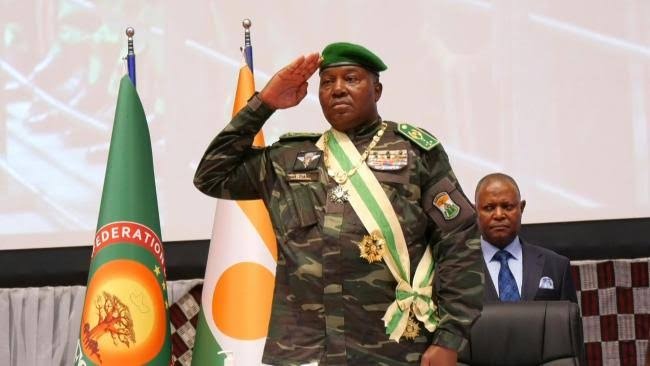
The AES emerged from a shared commitment to security, sovereignty, and regional cooperation. Yet recent events suggest that the alliance’s cohesion may be fraying at the edges. While the Burkinabè and Malian leaders proceed with discussions, the absence of Niger’s president, Abdourahamane Tiani, introduces an element of uncertainty. Is this simply a routine diplomatic engagement, or does it signal a strategic pivot away from Niamey?
No official explanation has been provided for Tiani’s absence, leaving room for speculation. Was this a deliberate omission, or a logistical oversight? Either way, the moment serves as a reminder that the AES’s strength lies in its tripartite foundation. Bilateral cooperation is valuable, but it cannot replace the need for regular, high-level consultations among all three member states.
A missed opportunity for tripartite unity
The AES’s recent ministerial meeting on October 16, where foreign affairs officials from all three countries convened in Ouagadougou, offered a glimpse of continued collaboration. Yet the absence of the Nigerien head of state from the November 5 summit suggests a disconnect between ministerial-level engagement and presidential-level coordination. For an alliance built on collective decision-making, this discrepancy is noteworthy.
While the AES continues to advance shared goals—such as counterterrorism and economic integration—the lack of a unified front at the highest level risks diluting its impact. Security challenges in the Sahel do not discriminate between borders, and neither should the AES’s strategic vision.
Security and diplomacy: the AES’s dual pillars tested
The AES was envisioned as a bulwark against instability in the Sahel, uniting three nations under a banner of mutual defense and cooperation. However, the latest Ouagadougou summit tests this vision in two critical ways: security and diplomacy.
Security cooperation: The persistent threat of armed groups along the borders demands coordinated action. Military collaboration and intelligence-sharing remain cornerstones of the AES’s strategy. Yet without Niger’s top leadership present, the question arises: how effectively can the alliance coordinate its efforts?
Diplomatic leverage: A united AES carries more weight in negotiations with regional and international partners. Whether discussing aid, security partnerships, or economic integration, the confederation’s unity is its greatest asset. The November 5 meeting, therefore, is not just about Bamako and Ouagadougou—it’s about whether the AES can still speak with one voice.
What’s next for the AES?
The outcomes of this meeting will be carefully analyzed for clues about the alliance’s future direction. Will the discussions between Goïta and Traoré pave the way for a broader reconciliation with Niger? Or does this moment mark a subtle realignment within the AES, one that prioritizes certain partnerships over others?
What is clear is that the AES’s success hinges on more than just diplomatic visits or ministerial meetings. It requires a sustained commitment from all three capitals to align their strategies, share intelligence, and present a unified front. The November 5 summit, while significant, is only one chapter in a larger story—one that is still being written.
As the sun sets on another pivotal day in Ouagadougou, the AES stands at a crossroads. The choice between fragmentation and consolidation may well determine the alliance’s legacy in the Sahel.
Key takeaways from the Ouagadougou summit
- Bilateral ties between Mali and Burkina Faso are strengthening, but the AES’s future depends on tripartite cohesion.
- Niger’s absence raises questions about the alliance’s unity, though no official stance has been taken.
- Security and diplomacy remain the AES’s top priorities, but internal coordination is essential to tackle shared threats.
- The alliance’s resilience will be tested in the coming months, as member states navigate internal and external pressures.