From self-sufficiency to emergency imports: how Niger’s energy strategy hit a turning point
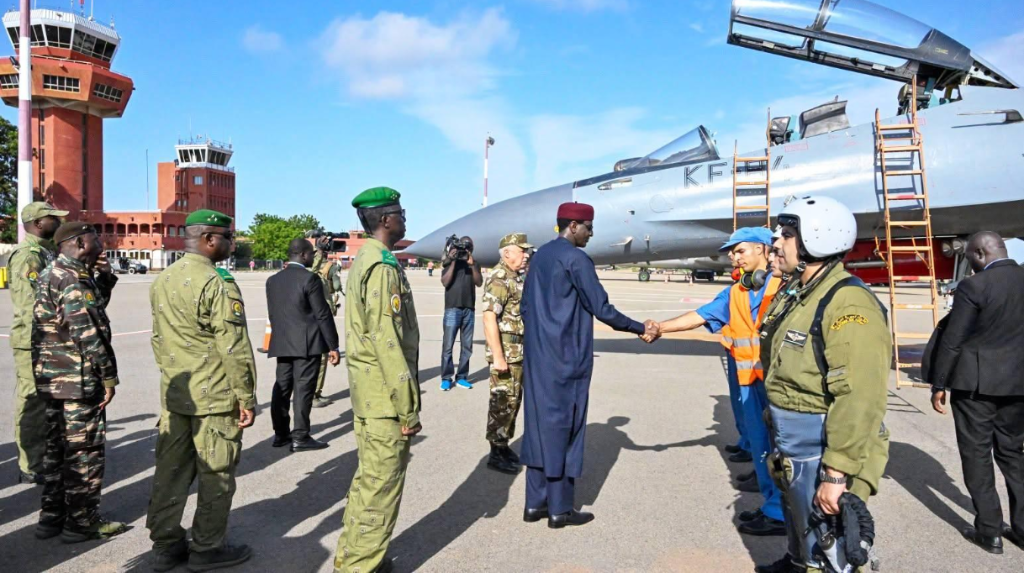
In a stunning reversal of fortune, Niger—once a net exporter of refined petroleum products—now finds itself relying on foreign fuel tankers to keep its domestic supply flowing. The arrival of 53 Algerian tankers in Agadez last November marked not a diplomatic triumph, but a stark admission of failure in managing the nation’s energy resources.
When local production fails to meet domestic demand
Official figures reveal a dramatic shift in Niger’s refining output. In 2023, the Zinder refinery (SORAZ) produced 365.95 million liters of premium gasoline, exporting 37.69 million liters while delivering 328.25 million liters to the national supply company (SONIDEP). By 2024, the exported surplus had vanished entirely, with all 345.34 million liters produced directed to SONIDEP. The first two months of 2025 showed the same pattern—56.88 million liters produced, exactly matching deliveries.
What explains this sudden disappearance of surplus? While diesel exports continued, the elimination of gasoline exports indicates a tightening domestic market. Yet the paradox deepens: why does a nation with functioning refineries struggle to maintain stable fuel supplies?
Financial strain at the heart of the crisis
The national distribution company (SONIDEP) stands at the center of this dilemma. Reports suggest it faces a staggering debt exceeding 418 billion FCFA—an amount that raises serious questions about revenue collection, stock management, and financial discipline. Key uncertainties remain: Are fuel sales fully recovered? Are receivables from distributors under control? How much revenue actually reaches SONIDEP’s coffers?
The financial pressure appears to have influenced stock management decisions. Allegations circulate that strategic reserves were sold at preferential rates to generate quick cash, potentially compromising both operational maintenance and national energy security. Without transparent audits, these claims cannot be verified—but their implications are alarming.
Nigeria’s informal fuel networks collapse, forcing a reckoning
Years of illicit fuel imports from Nigeria helped bridge Niger’s supply gaps. When Nigerian subsidies ended and border controls tightened, this unofficial supply chain dried up—revealing a dangerous over-reliance on informal trade. By March 2025, SONIDEP was receiving just 25 tankers from SORAZ daily, despite national demand estimated at 50 tankers. The loss of smuggled fuel imports exposed critical vulnerabilities in Niger’s formal supply infrastructure.
Were there no contingency plans? Why were storage and import capacity upgrades delayed? The collapse of these informal networks forced a sudden—and costly—shift toward foreign imports.
The Mali paradox: exporting fuel while importing it
In November 2025, Niger sent 82 tankers to Mali despite its own fuel shortages. While the move demonstrated regional solidarity, it also raised troubling questions: Were domestic reserves sufficient to support both humanitarian aid and national demand? Fourteen transport companies lost their hydrocarbon licenses and nineteen drivers had their permits revoked after refusing government-ordered shipments.
The contrast is stark: official praise for Algerian fuel tankers arriving in Agadez, versus punitive sanctions against drivers supplying fuel to Mali. Both episodes spotlight a shared issue: Is Niger’s fuel strategy dictated by short-term needs or long-term security?
The Algerian deal: emergency solution or strategic misstep?
The November 2026 Algerian shipment of 1.65 million liters provided temporary relief, but it cannot substitute for a national energy policy. With domestic fuel shortages, export bans on gasoline and diesel, and a newly formed crisis committee led by the Prime Minister, the government’s reactive measures reveal deeper systemic failures.
Transparency remains the biggest missing link. What were the exact terms of this Algerian fuel purchase? How much did it cost SONIDEP? Were there losses in the transaction? Without clear answers, this import risks becoming merely another symptom of mismanagement.
Where do we go from here: accountability and reform
Niger’s fuel crisis demands urgent, independent scrutiny across the entire oil value chain. Key questions include:
- What happened to the export surpluses from previous years?
- What is the true status of national strategic reserves?
- Why did gasoline deficits surge from 47.25 million liters in 2024 to 196.62 million liters in early 2026?
- What are SONIDEP’s exact financial liabilities and revenue streams?
- Are funds earmarked for refinery maintenance actually available?
The nation’s goal should not be merely to survive the next fuel shortage—but to build a resilient, transparent energy system. Niger produces oil. It has a refinery. It deserves better than to celebrate foreign tankers while begging for solutions at home.
Conclusion: oil production alone does not guarantee energy sovereignty
Niger’s current fuel crisis is not just a logistical failure—it is a governance failure. The arrival of Algerian tankers should serve as a catalyst for comprehensive reform, not a repeated bandage. Without verifiable data, accountable leadership, and strategic foresight, Niger risks remaining trapped in a cycle of dependence disguised as cooperation. True energy security begins with answers, not applause.