The arrest of former Nigerien police inspector Habibou Oumarou Mamane, nicknamed “The Rebel,” alongside ten others has become a defining moment in the escalating tensions between Niamey and Cotonou. His explosive pre-detention television testimony, which alleged foreign-backed destabilization plots linked to Beninese intelligence networks, has sent shockwaves across the region, raising serious questions about cross-border security threats and diplomatic fallout.
From whistleblower to detainee: the decisive shift in Niger’s security narrative
On October 23, 2026, Habibou Oumarou Mamane stepped into the national spotlight during a nationally televised address on Niger’s public broadcaster. Without warning, he exposed what he described as covert operations aimed at destabilizing the Nigerien government. According to his account, these activities involved exiled political actors, foreign intermediaries, and individuals claiming ties to Benin’s intelligence services.
The core of his allegations centered on allegations that certain Nigerien expatriates were collaborating with foreign entities to undermine state stability. He specifically mentioned efforts to locate Lieutenant-Colonel Pascal Tigri of the Beninese armed forces, suggesting his involvement in preparatory actions targeting Nigerien authorities.
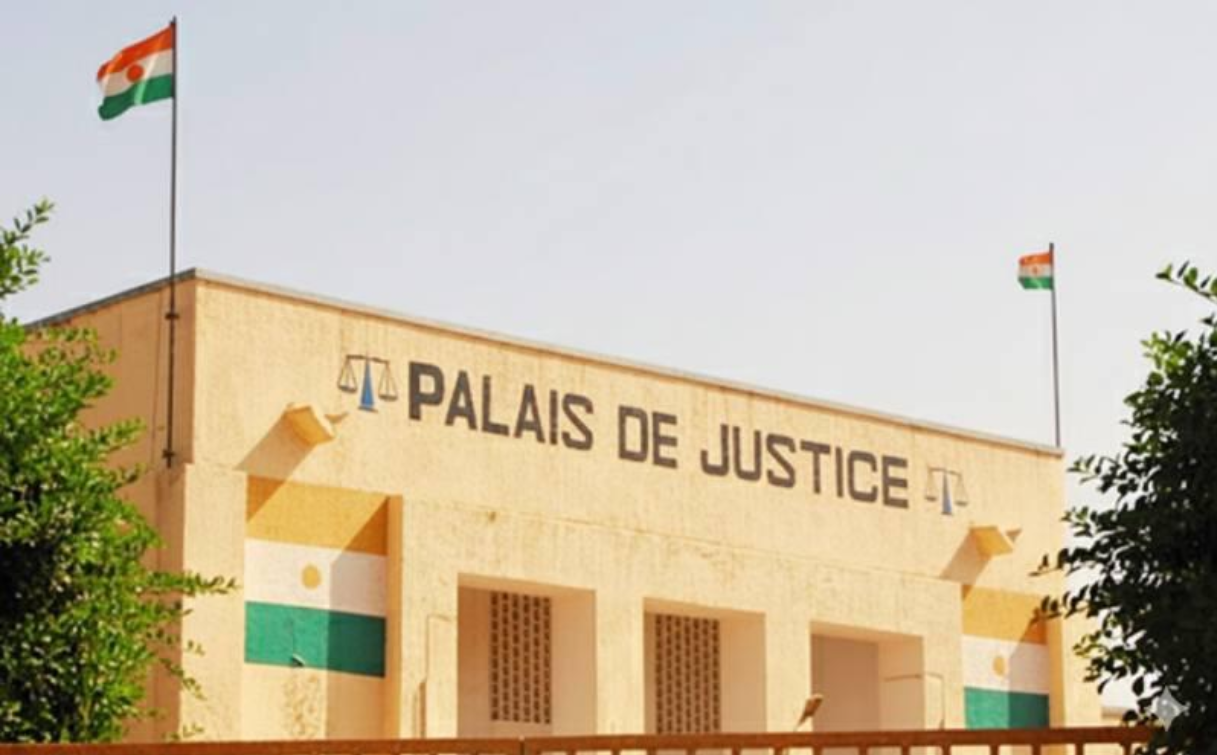
These revelations were not mere speculation. Within days, Nigerien authorities took decisive judicial action. On November 3, 2026, Habibou Oumarou Mamane was placed under pretrial detention along with ten co-defendants, marking a dramatic escalation from whistleblower to detainee and shifting the paradigm of national security discourse.
Benin in the crosshairs: allegations vs. official denial
While the testimony pointed fingers at Benin, the country’s government has categorically denied any involvement. Ange Chekaraou, a prominent figure mentioned in the affair, issued a public denial through official channels, calling the allegations baseless and politically motivated.
The dispute underscores a critical tension in regional relations. Since mid-2026, Niger and Benin have navigated a tense diplomatic landscape marked by mutual suspicions of interference. The timing of the former inspector’s arrest—just days after his televised revelations—has only deepened concerns about how such accusations could shape bilateral relations and regional stability.
Despite the gravity of the claims, no concrete evidence has been made public to substantiate direct involvement by Beninese authorities. The accusations remain unproven, and the right to presumption of innocence applies equally to the detained former officer and any individuals named in the case.
The judicial domino effect: eleven arrests and lingering questions
The pretrial detention of Habibou Oumarou Mamane and his ten co-accused represents more than a legal decision—it is a turning point in a complex and evolving investigation. While the charges remain undisclosed publicly, the arrest order signals serious allegations, possibly related to national security violations, conspiracy, or foreign interference.
Among the most urgent questions now before Nigerien judicial authorities:
- What specific evidence supports the alleged destabilization plots?
- Are the whistleblower’s claims corroborated by independent intelligence or documentation?
- Do digital communications, financial records, or intercepted transmissions link the accused to foreign actors?
- To what extent do the testimonies reflect personal grievances versus institutional threats?
Until these elements are clarified, the investigation remains shrouded in partial disclosure, leaving analysts and citizens alike grappling with uncertainty.
Regional pressure: what’s at stake for Niamey and Cotonou?
The case has transcended domestic boundaries, thrusting Niger-Benin relations into a precarious position. With both nations asserting sovereignty and security concerns at the forefront of their agendas, the potential for escalation looms large.
For Niamey, the detention underscores a commitment to combating perceived external threats, even as it risks accusations of overreach or fabrication. For Cotonou, the denial must be balanced against the need to maintain credibility in an era of heightened regional surveillance and intelligence sharing.
The diplomatic stakes are high: a misstep could trigger a cycle of mutual distrust, border tensions, or even sanctions—none of which serve the stability of the Sahel. Meanwhile, the international community watches closely, wary of a proxy conflict that could destabilize a fragile subregion.
Awaiting truth: when justice catches up with perception
As the judicial process unfolds, one thing is certain: the affair has already reshaped perceptions on both sides of the border. The shift is undeniable—from a lone whistleblower airing grievances to a detained figure whose testimony now sits at the heart of a politically charged investigation.
What remains unclear is whether this turning point will lead to clarity or further division. Will the investigation uncover a real web of foreign-backed destabilization, or will it expose a narrative built on half-truths and political manipulation?
One thing is clear: the justice system now holds the key. Only through transparent, evidence-based proceedings can Niger restore confidence in its institutions and prevent this affair from deepening the rift with its neighbor to the south.
Until then, the region remains suspended in anticipation—caught between the momentum of a breaking story and the slow march of truth.