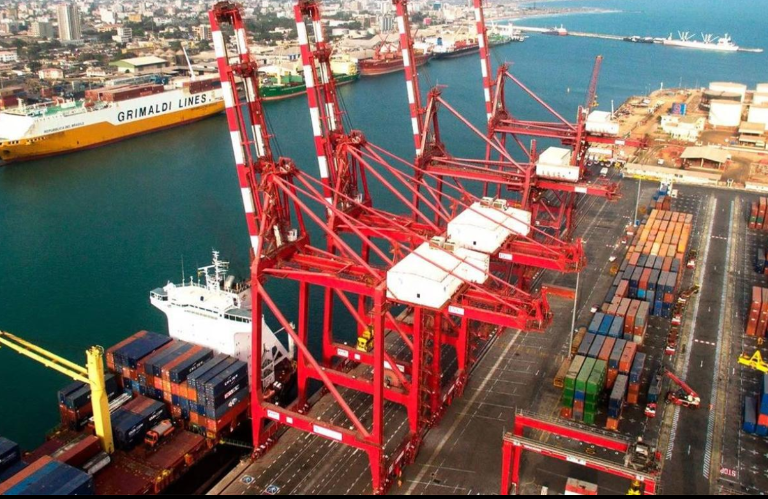
Algeria’s latest trade push into Niger marks a decisive turning point for the West African nation’s struggling industries. A recent convoy of 25 trucks, carrying over 1,000 tons of goods including dates, detergents, and packaging materials, rolled out from Adrar toward Niamey, intensifying competition for local producers who already face daunting challenges.
The Algerian initiative—officially launched during the National Export Day—signals a strategic bid to dominate key sectors in a market vital to both countries. While imported goods may offer cost advantages to consumers and retailers, the influx threatens to overwhelm fragile local industries still recovering from supply chain disruptions and rising production costs.
From dunes to markets: how Algerian dates threaten local growers
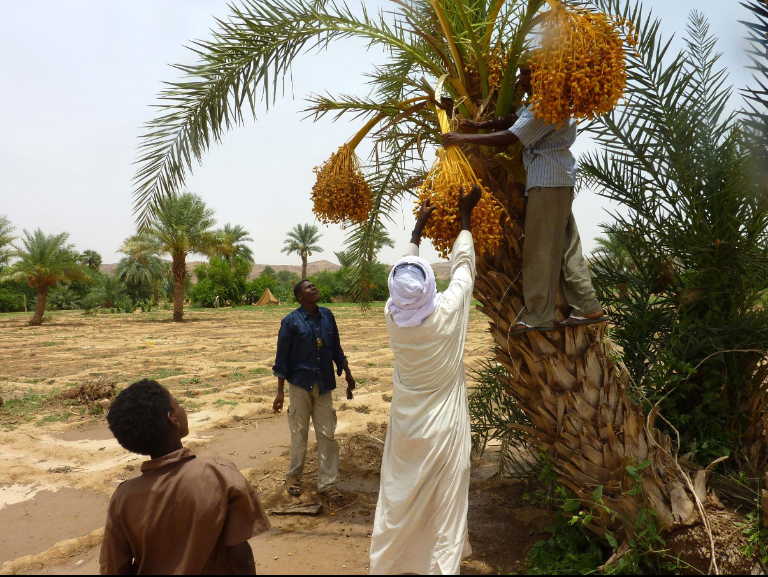
The date palm groves of Kawar—spanning Bilma, Fachi, Dirkou, and Djado—have nourished generations with their golden harvests. But this heritage now stands at a crossroads. Despite their rich variety and deep-rooted savoir-faire, local producers grapple with low yields, erratic water access, and high transport costs. Without modern storage and processing infrastructure, their competitive edge is slipping.
- Seasonal gluts: At peak harvest, surplus production often goes unsold, pushing farmers toward middlemen who offer low prices.
- Quality gaps: Algerian and Libyan dates, often pre-packaged and branded, dominate supermarket shelves during Ramadan and festive seasons.
- Market access: National producers struggle to reach urban markets where imported goods already control shelf space.
With a fresh batch of Algerian dates en route, local growers fear a further erosion of market share unless they can secure better pricing, improved logistics, and stronger branding.
Detergents and packaging: when imports crowd out homegrown alternatives
Small and medium manufacturers in Niamey and Maradi are no strangers to import pressure. Already strained by volatile raw material costs, unreliable electricity, and costly freight, many have watched their margins vanish as cheaper Algerian detergents and plastic containers flood the market.
According to industry sources, at least six local packaging plants reportedly shuttered operations between 2024 and 2025 after failing to compete on price and quality. The latest imports—backed by state-promoted trade missions—risk accelerating this trend unless businesses receive urgent support in technology, finance, and certification.
Opportunity or displacement? The role of policy
Niger’s government has taken steps to level the playing field. In August 2026, authorities launched a nationwide compliance inspection program targeting imported goods, aiming to block substandard and unsafe products from entering the supply chain. The move is designed to protect consumers and level the playing field for compliant domestic firms.
Yet inspection alone is not enough. To survive—and thrive—local enterprises need more than rules. They require affordable credit lines, training in modern production techniques, and investment in rural electrification and cold-chain logistics. Without these, the tide of imports may wash away decades of industrial progress.
Can cooperation overtake competition?
Algeria’s commercial surge is not inherently harmful. If channeled through joint ventures, technology-sharing agreements, or regional value chains, the influx of goods could create opportunities for local assembly, packaging, and re-export. For instance, Algerian dates could be finished, labeled, and distributed in Niger, adding value before reaching consumers.
Such partnerships would require political will on both sides. Niamey must negotiate favorable tariff structures, while Algiers could encourage its firms to source inputs, co-pack, or invest in Niger-based processing units. A true economic alliance would transform the relationship from one-way trade into mutual industrial growth.
Turning the tide: a local response in motion
Local cooperatives in Kawar are exploring new strategies. Some are adopting controlled irrigation systems to boost yield and quality. Others are forming consortiums to bulk-purchase inputs and share cold storage facilities. In Maradi, a cluster of detergent makers has begun blending local botanical extracts—like neem and shea—into eco-friendly formulations that appeal to health-conscious consumers.
The message is clear: inertia is not an option. Whether through innovation, policy advocacy, or collective action, Niger’s producers are beginning to pivot—from mere competition to strategic resilience.
Beyond 25 trucks: the future of Niger’s industrial fabric
The convoy from Adrar is more than a shipment—it’s a moment of reckoning. It asks whether Niger will remain a passive market for foreign goods or evolve into an active participant in regional trade. The answer hinges not on banning imports, but on empowering local industries to meet demand with quality, scale, and speed.
For Algeria’s gains to be sustainable, they must uplift—not erode—the economy of its neighbor. And for Niger’s producers, this turning point could well be the push they need to accelerate, adapt, and ultimately thrive.