A historic economic breakthrough is reshaping Benin’s future. The country reported an 8.2% real GDP growth rate in early 2026, marking a decisive turning point in its development journey. This surge reflects a bold shift from raw material exports toward a production-driven economy, setting the stage for lasting transformation.
From agriculture to industry: the rise of value creation
The 8.2% growth isn’t just a figure—it’s the result of a strategic pivot. Authorities have prioritized local transformation of raw materials, particularly cotton and cashews, to capture more value before export. By building an industrial base, Benin aims to move beyond exporting unprocessed goods and instead supply finished products to global markets.
This transformation is backed by key investments in modern infrastructure and business-friendly reforms. The goal is twofold: boost domestic production and expand export markets through competitive, high-quality goods. The shift positions Benin as a rising player in West Africa’s industrial landscape.
GDIZ: the engine of Benin’s industrial ambition
The Glo-Djigbé Industrial Zone (GDIZ) stands at the heart of this economic shift. This flagship project is designed to be a hub for agro-processing and light manufacturing, creating integrated value chains around local resources like cotton.
By centralizing production within GDIZ, Benin is not only increasing output—it’s fostering collaboration between smallholders, manufacturers, and exporters. This ecosystem improves efficiency, lowers costs, and strengthens quality control, enabling companies to meet international standards and penetrate high-value markets such as Europe and North America.
Beyond cotton: diversifying industrial output
While cotton remains a cornerstone, the industrialization push extends across multiple sectors. Food processing, textiles, pharmaceuticals, and renewable energy components are all gaining traction. Each new factory and workshop represents a step toward a more diversified, resilient economy.
The government has also prioritized workforce development through vocational training programs. By aligning skills with industrial needs, Benin is equipping its youth with the tools to thrive in a modernized economy—one where technical expertise commands higher wages and better opportunities.
Charting new trade horizons: Europe, China, and beyond
Benin’s industrial output is already making inroads into international markets. European buyers are showing strong interest in processed agricultural goods, while Asian and American markets seek value-added textiles and manufactured items. This export diversification reduces dependency on volatile raw material prices and enhances foreign exchange earnings.
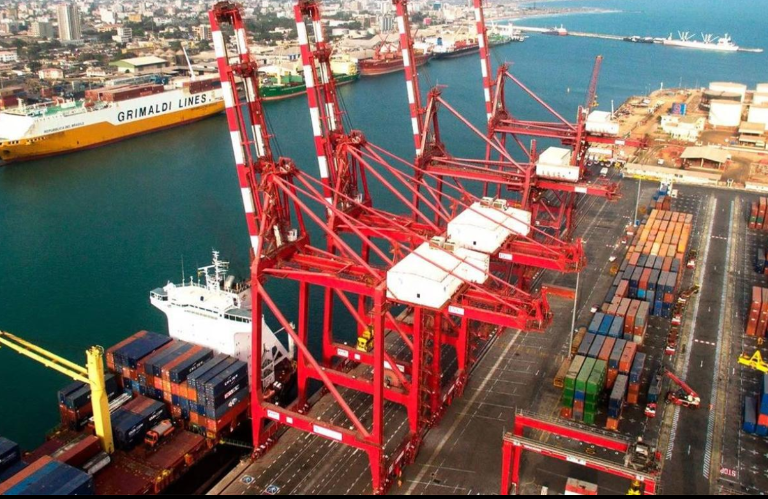
Success in these markets demands more than just competitive pricing—it requires flawless logistics. Benin is upgrading its ports, expanding rail and road networks, and streamlining customs procedures to ensure goods reach buyers on time and in premium condition.
Balancing speed with stability: the real challenges ahead
The road to sustained growth isn’t without obstacles. Global commodity prices remain unpredictable, and regional security concerns in neighboring countries can disrupt supply chains. Climate change also poses risks to agriculture, a key input for many industries.
To safeguard progress, policymakers are focusing on policy consistency, domestic savings mobilization, and private sector incentives. They’re also strengthening social safety nets to protect vulnerable communities during external shocks.
The next phase calls for deeper integration of technology—automation in factories, blockchain for traceability, and digital platforms for trade facilitation. These innovations will help Benin compete not just on cost, but on precision, speed, and compliance.
Building an inclusive economic future
The promise of 8.2% growth is most meaningful when it translates into real benefits for citizens. The government is working to ensure that industrial expansion creates broad-based employment, especially for women and young adults who face high unemployment rates.
New jobs in manufacturing, logistics, and services are emerging, offering stable incomes and career paths. As local enterprises grow, so does their ability to reinvest profits, innovate, and create further opportunities—fueling a virtuous cycle of development.
Benin is no longer just chasing economic targets—it’s redefining its role in the global economy. With each ton of processed cotton shipped, each container of high-value goods exported, the country is proving that transformation is not only possible but already underway. The momentum is real. The future is being built today.