As Togo gears up for a pivotal moment on November 20, 2026, opposition figure Nathaniel Olympio is spearheading a groundswell of citizen resistance against the mounting economic hardships and perceived authoritarian excesses of President Faure Gnassingbé’s administration. The campaign, framed as a patriotic warning, aims to channel widespread frustration into a unified national protest that could redefine the country’s political trajectory.
Why the cost of living is igniting nationwide unrest
Central to the mobilization is the spiraling cost of essential goods, which has left families struggling to meet basic needs. Nathaniel Olympio argues that the government’s failure to address soaring food and fuel prices reflects a systemic neglect of economic realities facing ordinary Togolese. With wages stagnant and inflation eroding purchasing power, the opposition is framing this crisis as a direct consequence of flawed policies that prioritize elite interests over public welfare.
Crippling power cuts: a symbol of systemic failure
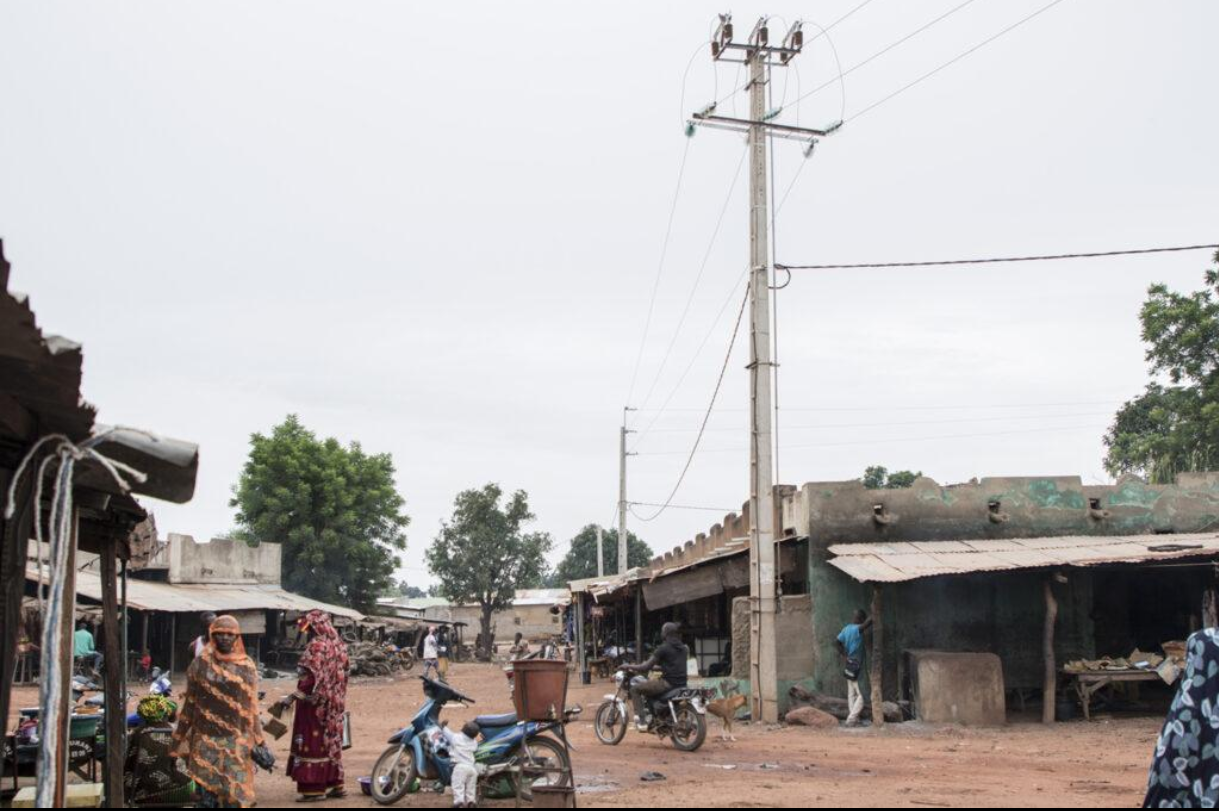
The frequent blackouts plaguing Togo have become a daily reminder of the country’s governance shortcomings. Beyond household inconveniences, these interruptions cripple small businesses, disrupt services, and expose deep flaws in the management of the Compagnie Énergie Électrique du Togo (CEET). Critics demand transparency, accountability, and urgent reforms to restore reliable electricity—a demand that has galvanized both urban and rural communities alike.
Social injustice and constitutional grievances take center stage
Nathaniel Olympio’s critique extends beyond economic woes to target what he describes as a systemic erosion of democratic values. The 2024 constitutional reforms, which opponents argue concentrate power and undermine term limits, remain a flashpoint. Calls for releasing political detainees, allowing exiles to return, and restoring constitutional balance underscore a broader push for systemic change.
November 20: a warning shot before a political reckoning
The ‘Patriotic Warning Day’ slated for November 20 is designed to be a litmus test for public sentiment. By calling for a nationwide work stoppage, organizers hope to demonstrate the depth of discontent ahead of further action in January 2027. The movement’s leaders insist this is not just a protest but a strategic step toward inclusive national dialogues and potential political transition.
What’s next for Togo’s changing political landscape?
With economic pressures showing no signs of easing and constitutional debates intensifying, November 20 could mark a turning point. Nathaniel Olympio’s campaign signals a decisive moment where unaddressed grievances may transform into lasting political momentum—or force the government to confront the growing demand for accountability.