Mali’s progress on community reforms has hit a critical inflection point, with its implementation rate plunging by 4.54 points—from 80.06% in 2024 to just 75.52% in 2025. This sharp decline is more than a statistical setback; it signals deeper challenges to the country’s institutional credibility and its ability to maintain investor trust on the UEMOA regional financial market.
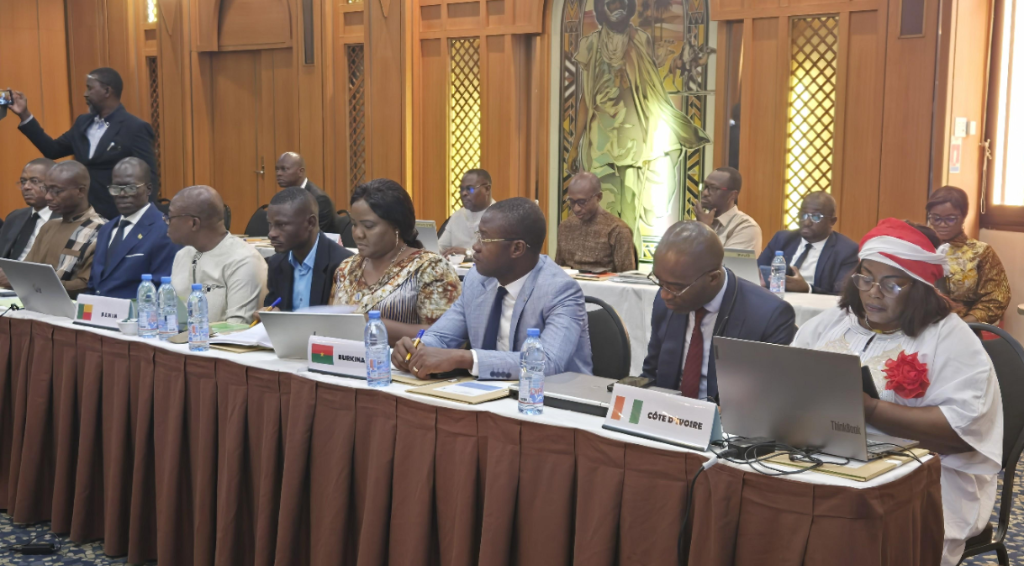
At the heart of this shift lies the twelfth annual review of UEMOA community reforms, a pivotal gathering held in Bamako’s Azalaï Hotel in November 2026. While the figures alone do not indicate a direct solvency crisis, they underscore growing concerns over Mali’s economic resilience and the sustainability of its fiscal policies in a rapidly evolving regional landscape.
What led to this decisive dip in reform progress?
Several interlocking factors have contributed to this slowdown. The first is the shifting dynamic between Mali and regional institutions. Since the formation of the Alliance of Sahel States (AES), the country’s engagement with key regional bodies has undergone significant realignment. These adjustments have introduced friction in policy coordination, regulatory alignment, and the consistent execution of shared economic commitments.
The second factor lies in administrative capacity. Effective reform implementation relies on timely legislative adoption, skilled human resources, and seamless inter-ministerial collaboration. Bureaucratic hurdles, regulatory delays, and disjointed policy execution have undermined progress across multiple sectors.
Key constraints include:
- Heightened defense and security expenditures, diverting funding from structural reforms
- Competing priorities in public investment, including healthcare, education, and infrastructure
- Limited fiscal maneuverability due to constrained revenue streams and budgetary pressures
While international observers often point to geopolitical tensions as the primary cause, a closer examination reveals a more complex picture. Not all delayed reforms stem from political friction—some are rooted in administrative inefficiencies and delayed regulatory enforcement that predate recent regional realignments.
How this turning point impacts investor trust
For investors active in the UEMOA financial market, Mali’s reform trajectory is a critical barometer of stability. The country regularly taps regional banks and institutional investors through sovereign bond issuances and Treasury bill offerings. While yield remains a key consideration, it is not the sole determinant of investment decisions.
Investors evaluate a nation’s economic health based on:
- Institutional credibility and policy predictability
- Long-term commitment to regional integration and fiscal discipline
- Willingness to honor community agreements and reform pledges
A sustained decline in reform implementation could erode market confidence, prompting investors to demand higher yields to offset perceived risks. While the 4.54-point drop does not automatically trigger a loss of trust, a prolonged trend could lead to:
- Increased borrowing costs for government securities
- Heightened scrutiny of fiscal sustainability
- Tighter lending conditions from regional financial institutions
However, market sentiment is also shaped by liquidity conditions and the broader regional financing environment. Other UEMOA member states are also navigating challenges, which means Mali’s performance must be assessed within a comparative context.
Public debt at a crossroads
Mali’s financial strategy for 2026 hinges on mobilizing 1.45 trillion West African CFA francs from the regional market—a substantial increase from the 1.19 trillion CFA francs raised in 2025. This heavy reliance on regional financing underscores the country’s integration within the UEMOA ecosystem, where the West African CFA franc serves as a stabilizing anchor.
Yet, if investor confidence wavers, two major risks emerge:
- Higher borrowing costs: Rising yields could inflate debt servicing obligations, squeezing resources available for critical public services and infrastructure development.
- Auction shortfalls: Weak demand in sovereign bond auctions may force the government to scale back funding plans or seek alternative financing, potentially increasing reliance on costly short-term borrowing.
Such a scenario would strain the banking sector, which plays a central role in underwriting government securities. Commercial banks—already exposed to sovereign risk—could face growing balance sheet pressures, limiting their capacity to support private-sector growth.
Building a path forward: restoring momentum and credibility
The roadmap for Mali now requires a dual approach: addressing immediate fiscal pressures while rebuilding trust through tangible reform execution. The twelfth annual review presents an opportunity to realign national priorities with regional commitments.
Actionable steps include:
- Reinvigorating inter-ministerial coordination to accelerate pending reforms
- Establishing clear timelines for legislative enforcement and implementation
- Enhancing transparency in policy communication to reassure investors
- Strengthening compliance with UEMOA governance standards
At its core, this 4.54-point decline is a warning sign—not a final judgment. The UEMOA financial market rewards consistency, transparency, and adherence to shared economic principles. For Mali, regaining momentum will demand decisive action, not just in policy adjustments, but in restoring the confidence that underpins long-term growth.
Confidence in regional markets is not granted by decree; it is earned through performance, accountability, and unwavering commitment to reform.