In a bold policy pivot, Burkina Faso has reached a critical juncture where its long-standing pursuit of economic sovereignty now intersects with urgent financial realities. A landmark technical agreement signed in early November 2026 paves the way for a potential infusion of $87.67 million—roughly 49.6 billion West African CFA francs—from the International Monetary Fund (IMF). This pivotal moment challenges the government’s stated commitment to reducing reliance on foreign institutions while addressing pressing fiscal demands.
From rhetoric to reform: navigating IMF negotiations
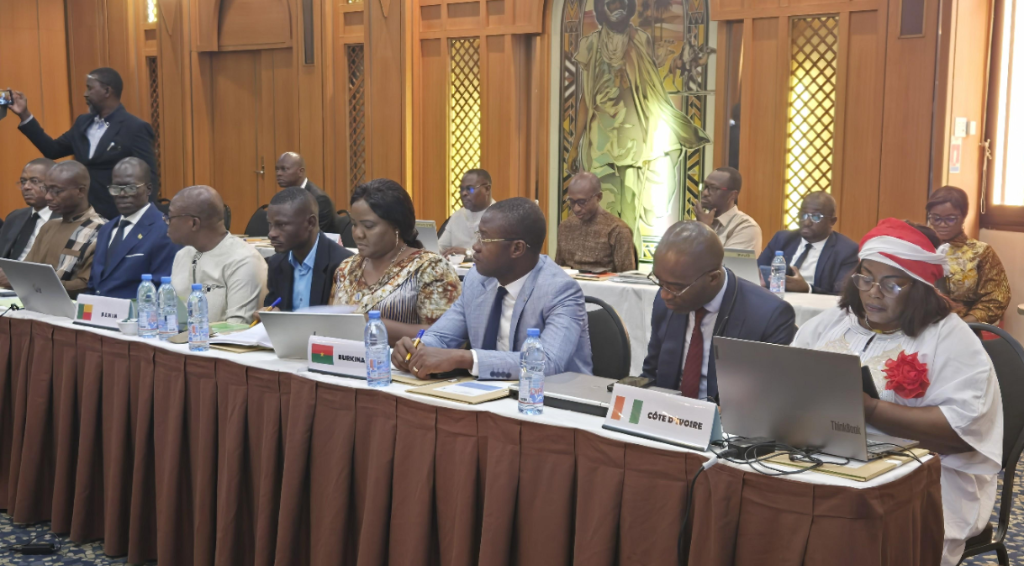
The agreement marks the conclusion of a two-part review process: the sixth review under the Extended Credit Facility (ECF) and the second review under the Resilience and Sustainability Facility (RSF). These discussions, held in Ouagadougou between October 26 and November 4, 2026, reflect a determined effort to align domestic economic policies with international financial standards. Yet, the path to securing these funds remains uncertain. Final approval by the IMF Executive Board is not expected until mid-January 2027, leaving policymakers in Ouagadougou to weigh the benefits against the constraints.
The proposed financing breaks down into two components: $65.38 million allocated under the ECF and $22.29 million under the RSF. While this injection could provide much-needed fiscal breathing room, it also forces a reckoning with a central contradiction in Burkina Faso’s economic strategy. Can a nation that claims to break free from historical dependencies responsibly accept funds tied to rigorous oversight and conditional reforms?
Sovereignty vs. financial pragmatism: a fragile balance
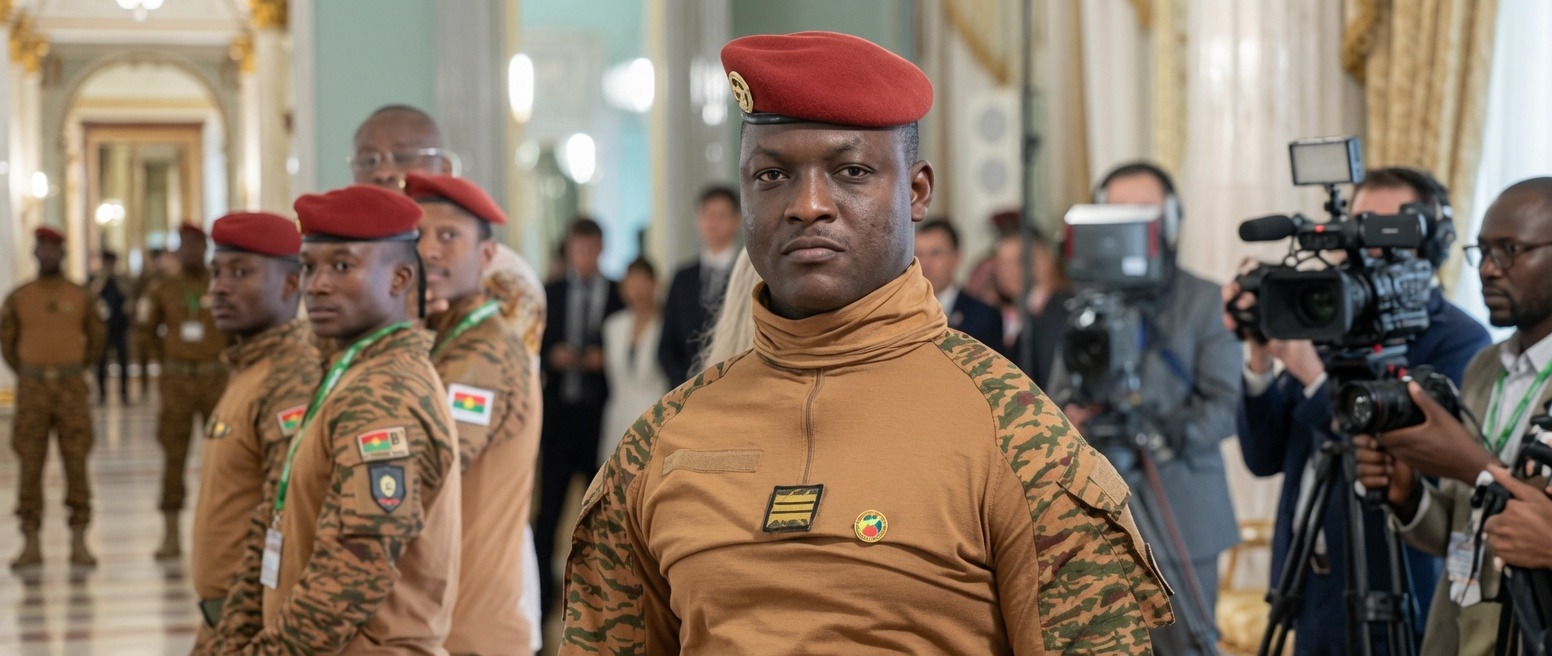
Since the rise of the transitional leadership under Captain Ibrahim Traoré, Burkina Faso has positioned itself as a champion of economic independence. The pledge to reclaim control over natural resources, reduce reliance on traditional partners, and strengthen domestic revenue generation has defined this new political era. Yet, the pursuit of IMF financing introduces a paradox: the institution’s core model is built on conditionality, fiscal discipline, and structural adjustment—principles that often run counter to nationalist economic visions.
But rejecting external aid doesn’t equate to reclaiming sovereignty. In today’s interconnected global economy, financial diversification is a valid strategy. The real challenge lies in negotiating terms that preserve national policy autonomy while meeting international obligations. The key question is whether Ouagadougou can align IMF requirements with its own development goals without sacrificing long-term independence.
Conditionality and compromise: the cost of financial rescue
The IMF’s involvement extends far beyond capital infusions. In exchange for financial support, the institution sets strict macroeconomic benchmarks: fiscal deficit targets, tax revenue mobilization, public financial management reforms, and protections for vulnerable populations. One of the most pressing benchmarks is adherence to a 3% budget deficit ceiling, a standard enforced by the West African Economic and Monetary Union (WAEMU). Current estimates for 2027 suggest Burkina Faso may face a projected deficit of 3.3%—a margin that leaves little room for error.
These requirements are not inherently incompatible with Burkina Faso’s goals. However, they create delicate trade-offs. Stricter fiscal discipline may limit public spending on social programs, infrastructure, or wage increases—all critical to maintaining social stability. The central dilemma becomes: can Ouagadougou adhere to these conditions without derailing its own socioeconomic priorities?
Gold and strategic reserves: a path to self-sufficiency?
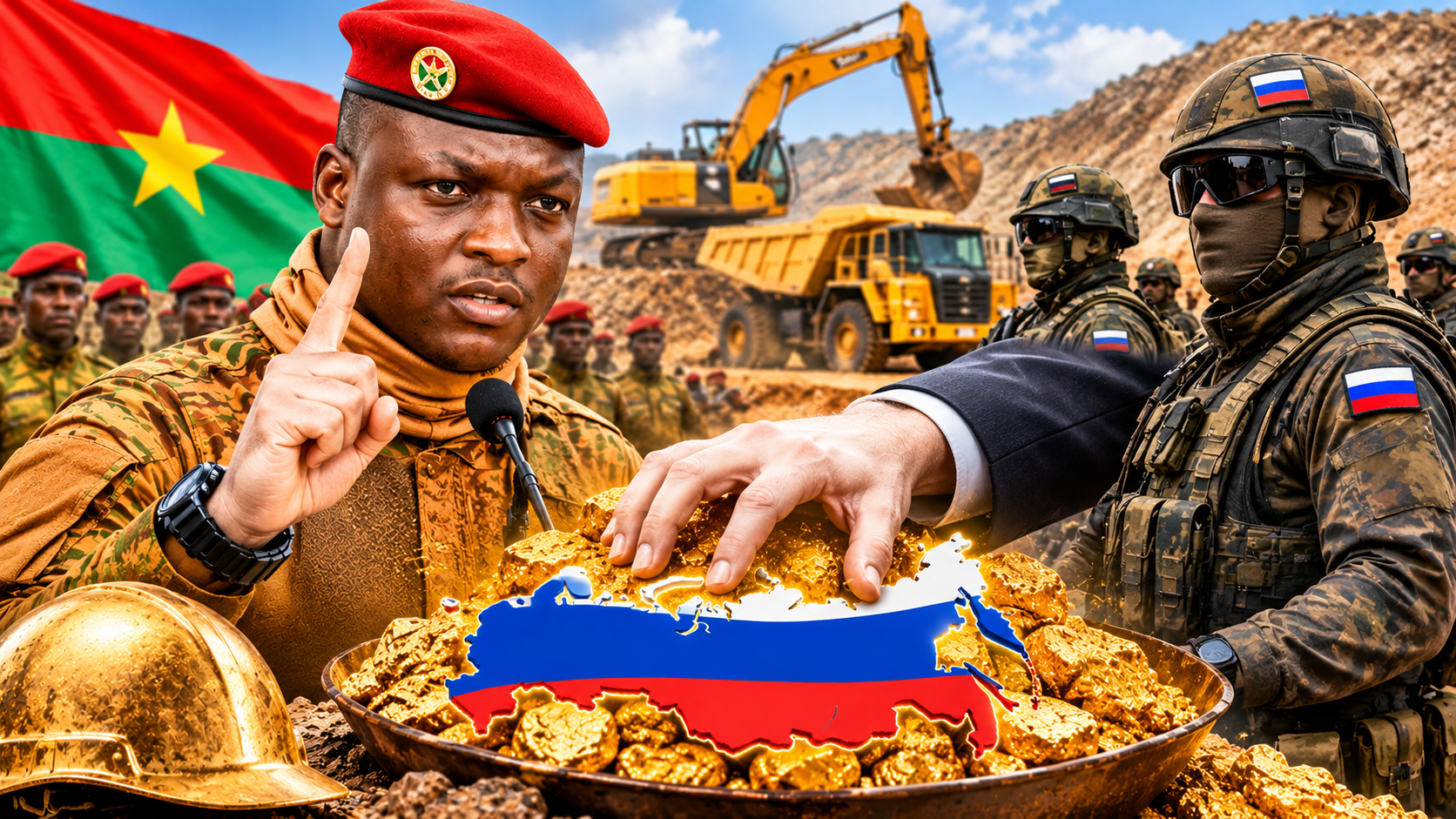
The paradox intensifies when considering Burkina Faso’s formidable gold reserves. As one of Africa’s fastest-growing gold producers, the country has leveraged mining revenues to bolster public finances. The government has also taken steps to enhance national control over the sector, including the establishment of a sovereign mineral fund. These initiatives aim to reduce reliance on external actors and channel resource wealth into sustainable development.
Yet, self-sufficiency demands more than resource control—it requires robust financial and institutional capacity. Transparent management, equitable revenue distribution, and strategic reinvestment are essential to transform mineral wealth into lasting economic resilience. While gold exports provide short-term relief, they do not, on their own, guarantee long-term fiscal autonomy. The real test lies in whether these resources can be harnessed strategically alongside external financing.
The ultimate test: proving sovereignty through action
The anticipated IMF funds are not merely a financial lifeline; they are a litmus test for Burkina Faso’s economic vision. The government can—and must—justify the decision to engage with the IMF by demonstrating tangible benefits for its citizens. Transparency in negotiations, clear allocation of funds, and measurable outcomes in public welfare are critical to maintaining public trust and policy credibility.
The narrative of sovereignty is no longer confined to political speeches. It is proven through tangible actions: mobilizing domestic resources, negotiating favorable terms, and ensuring that each decision enhances rather than undermines national independence. The real milestone for Ouagadougou will not be whether it accepts the IMF financing, but how it uses it to solidify its economic future without falling into dependency.
In this turning point, Burkina Faso stands at the crossroads of ideology and pragmatism. The road ahead demands bold leadership, clear-eyed negotiation, and an unwavering commitment to placing citizens first—even when the choices are far from simple.