Mali has taken a decisive step away from the Economic Community of West African States (ECEAO), yet a landmark rural electrification initiative continues to power rural communities across the country. This unexpected continuity reveals a striking resilience in development cooperation, where infrastructure projects often outlast political fractures.
From political rupture to persistent progress
Mali’s formal departure from the ECEAO, alongside Burkina Faso and Niger, sent shockwaves through regional diplomacy. Yet despite the diplomatic split, the West African Power Pool electrification project—initiated in 2019—remains firmly on track. This momentum underscores a critical truth: once a development initiative gains traction, its impact rarely hinges on institutional allegiances.
A cross-border project that keeps delivering for Mali
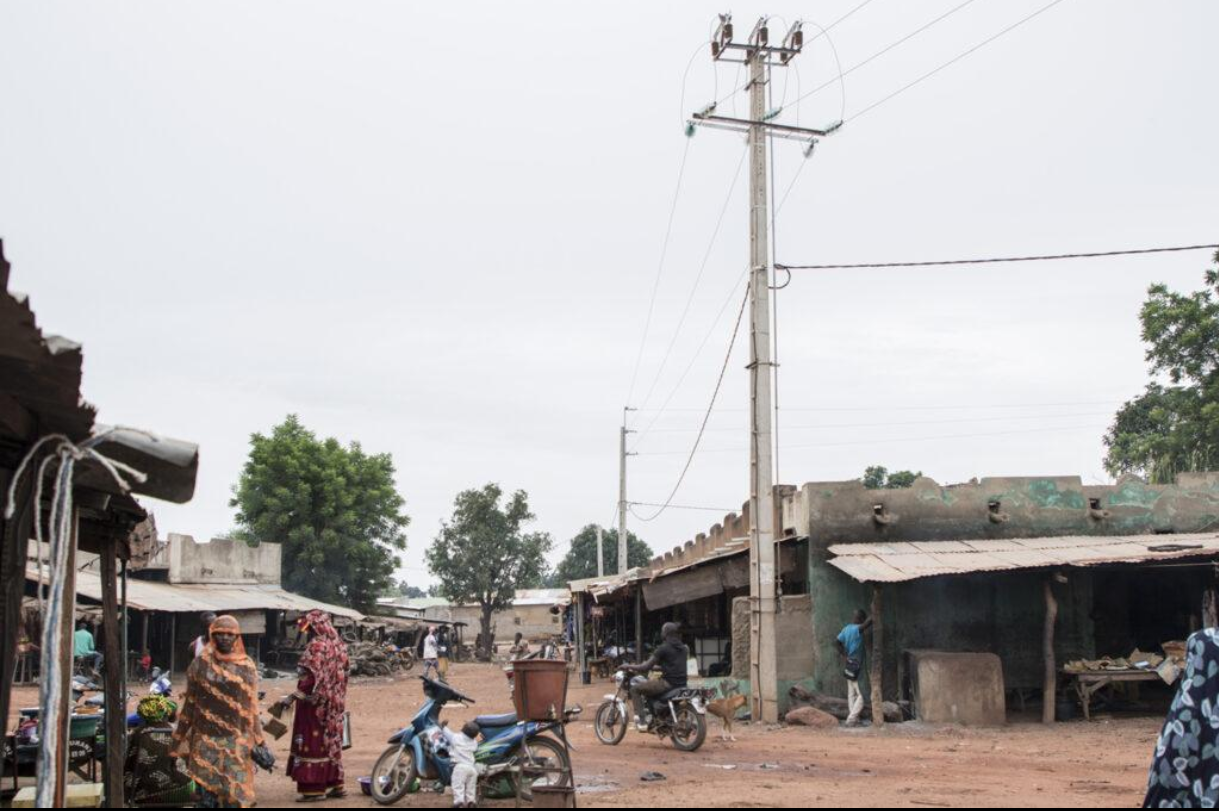
The ECEAO Regional Electricity Access Project (ECOWAS-REAP) spans three countries—Mali, Guinea-Bissau, and the Gambia—aiming to electrify some of the region’s most underserved communities. Funded by $225 million from the World Bank, the program already connected electricity to 490 localities, bringing reliable power to nearly 500,000 people. These numbers reflect more than kilowatt-hours delivered; they represent transformed lives, powered markets, and communities no longer in the dark.
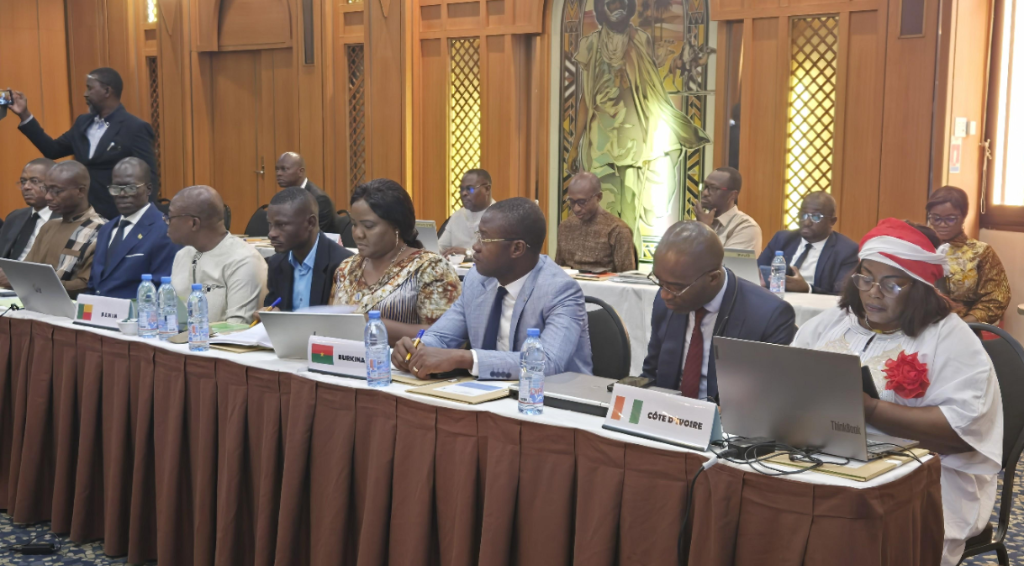
In Abuja, Nigeria, the ongoing coordination meeting brought together energy officials from Mali, Guinea-Bissau, and the Gambia—including representatives from Mali’s national utility company, Énergie du Mali (EDM-SA). Their presence signals that technical collaboration continues unobstructed, even as political ties fray.
Why Mali still values the project’s impact
For Mali, the stakes are clear: rural electrification fuels small businesses, powers health clinics, and enables children to study after sunset. Oussouby Mary dit Ousmane Diarra, Mali’s Director of Energy, emphasized this urgency during a recent assessment. He called for a 30-month extension to address security delays and contractual hurdles—proof that energy access remains a national priority, regardless of geopolitical shifts.
When development outlives diplomacy
The case of Mali highlights a broader truth in international cooperation: once infrastructure is built and lives are changed, the benefits often transcend political disputes. The ECOWAS-REAP project was never just a regional favor—it was a strategic investment in human possibility. Now, as Mali navigates its post-CEDEAO reality, the lights stay on, the refrigerators hum, and the villages thrive. The initiative has become a silent testament to the idea that progress doesn’t wait for treaties to catch up.
Building resilience beyond political borders
For the ECEAO, this project signals both a challenge and an opportunity. The challenge lies in ensuring the longevity of these installations under shifting political skies. The opportunity? Demonstrating that regional development can endure, even when relations don’t. This pragmatism may well redefine how Africa measures cooperation—not by the strength of alliances, but by the strength of infrastructure and the lives it transforms.
For Mali, the message is even clearer: when development takes root, no political rupture can uproot it. The country’s progress in electrification continues, steady and unshaken, turning a moment of rupture into a turning point for countless communities.