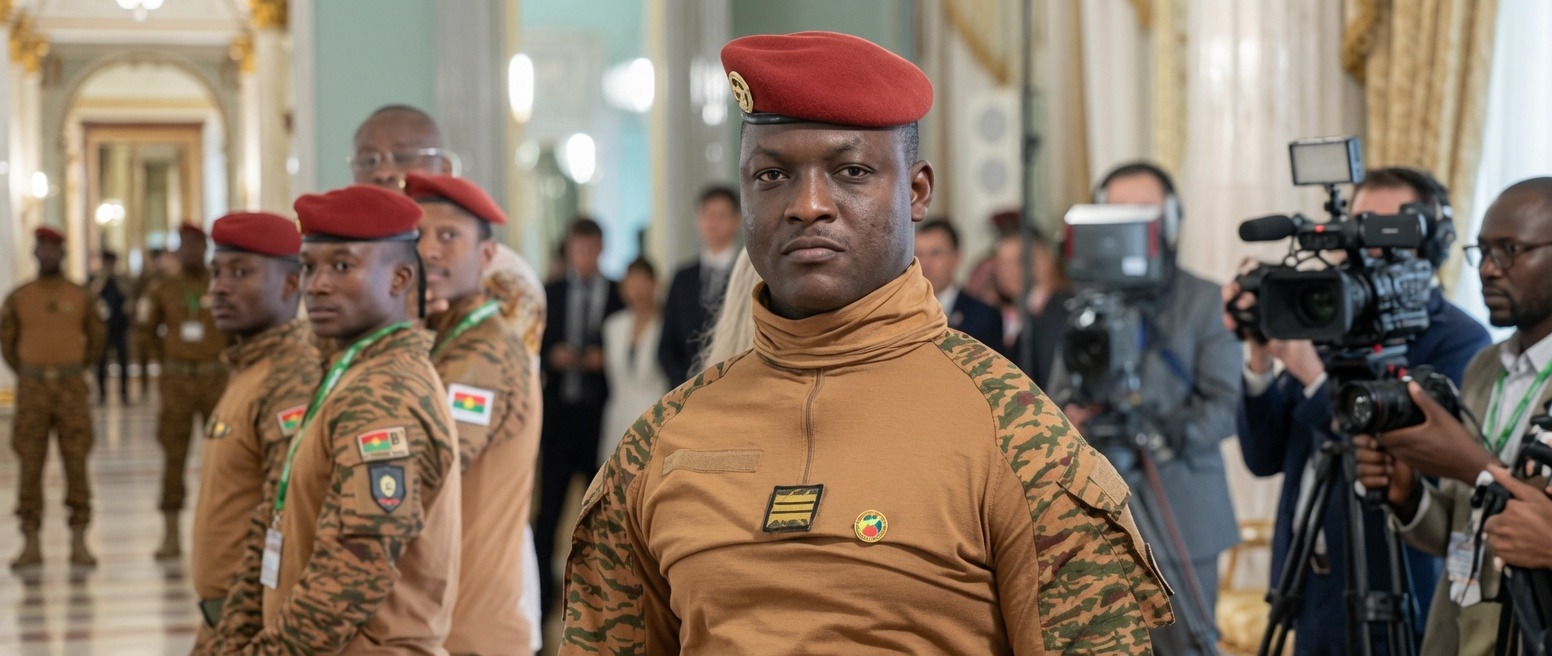
With Ibrahim Traoré’s administration positioning itself as a champion of economic independence, Burkina Faso’s financial trajectory has become a focal point of national debate. The government’s pledge to reduce reliance on external partners has resonated across Ouagadougou, where officials frequently emphasize the nation’s capacity to self-finance development. Yet, recent developments suggest a more complex reality one where financial breakthroughs remain elusive despite bold proclamations of sovereignty.
The FMI’s conditional lifeline to Burkina Faso’s economy
In a decisive turn, the International Monetary Fund (FMI) confirmed on November 4, 2026, that it had reached a technical agreement with Burkina Faso for a potential financial boost of $87.67 million approximately 49.6 billion West African CFA francs. This assistance stems from two ongoing programs: the Extended Credit Facility (FEC) and the Resilience and Sustainability Facility (FRD). While this announcement signals progress, the funds will only materialize pending approval from the FMI’s executive board, expected by mid-January 2027.
Of the total package, $65.38 million is earmarked for the FEC, with an additional $22.29 million allocated to the FRD. Until official disbursement, these figures represent projected support rather than immediate fiscal relief. The conditional nature of the agreement underscores the FMI’s emphasis on structural reforms and fiscal discipline before releasing the full amount.
The paradox of self-proclaimed financial autonomy
At the heart of Burkina Faso’s economic narrative lies a glaring contradiction. Officials frequently tout the nation’s ability to fund its own future, yet the government continues to engage with international financial institutions a necessity that challenges the feasibility of full autonomy. The question arises: if domestic resources are sufficient, why does the state still seek external financing? Conversely, if external support remains unavoidable, why does the administration frame its policies as a definitive break from traditional financial mechanisms?
This disconnect demands clarity, not further rhetorical flourishes. Citizens deserve transparency regarding how their country’s wealth is managed and why financial partnerships persist despite proclaimed independence.
The role of gold in Burkina Faso’s economic strategy
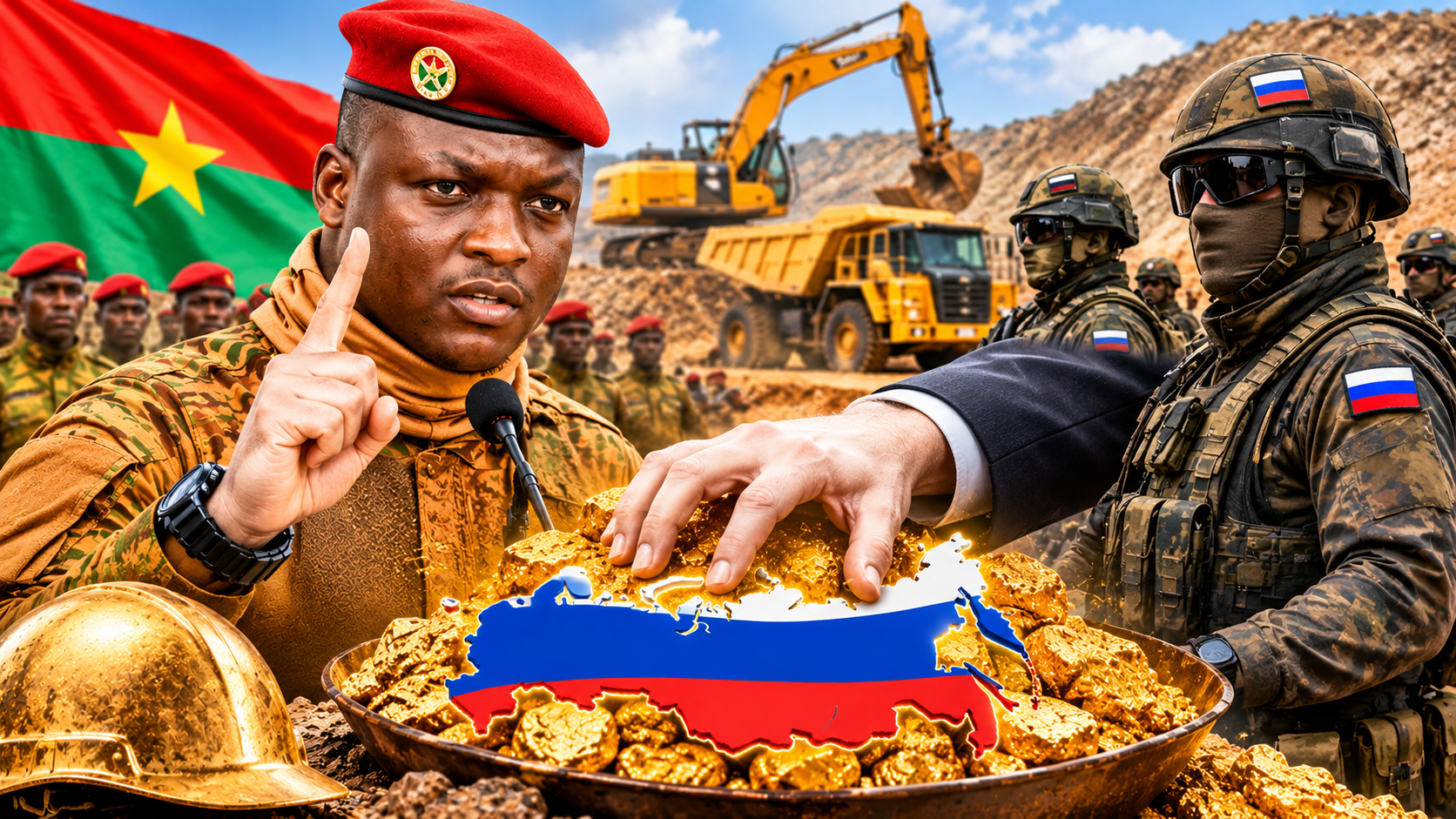
Burkina Faso’s gold reserves represent a key asset, with high global prices and increased mining outputs bolstering state revenues. However, natural wealth alone does not guarantee fiscal sufficiency. To justify claims of economic sovereignty, the government must demonstrate how these earnings are allocated what portion funds critical infrastructure, social programs, or debt servicing and what tangible benefits the public receives.
The FMI, in its June 2026 assessment, highlighted several areas requiring urgent attention: strengthening domestic revenue collection, enhancing public financial management, and safeguarding social expenditures for vulnerable populations. The institution also stressed the importance of prudent debt management and transparency in resource allocation. These benchmarks raise a pressing question: do Burkina Faso’s leaders provide citizens with the same level of detail on financial governance as they do on their sovereignty rhetoric?
From declarations to deliverables: what sovereignty truly requires
Economic independence is not defined by denunciations of international institutions in public forums, followed by appeals for aid when fiscal pressures mount. True sovereignty demands accountability clear communication about the country’s actual financial means and how public funds are utilized. As Burkina Faso navigates this pivotal moment, its people deserve more than slogans; they require verifiable evidence that their nation’s resources are being leveraged for sustainable progress.
The path forward: aligning words with action
Clarify the role of external financing: If reliance on institutions like the FMI is inevitable, officials must articulate why and what conditions must be met to transition toward greater self-sufficiency.
Demonstrate transparency: Provide regular, detailed reports on revenue streams, particularly from gold and other extractive industries, and how these funds address public needs.
Prioritize structural reforms: The FMI’s focus on governance and fiscal discipline should align with domestic policies to ensure long-term stability.
By François Mvondo — Journalist