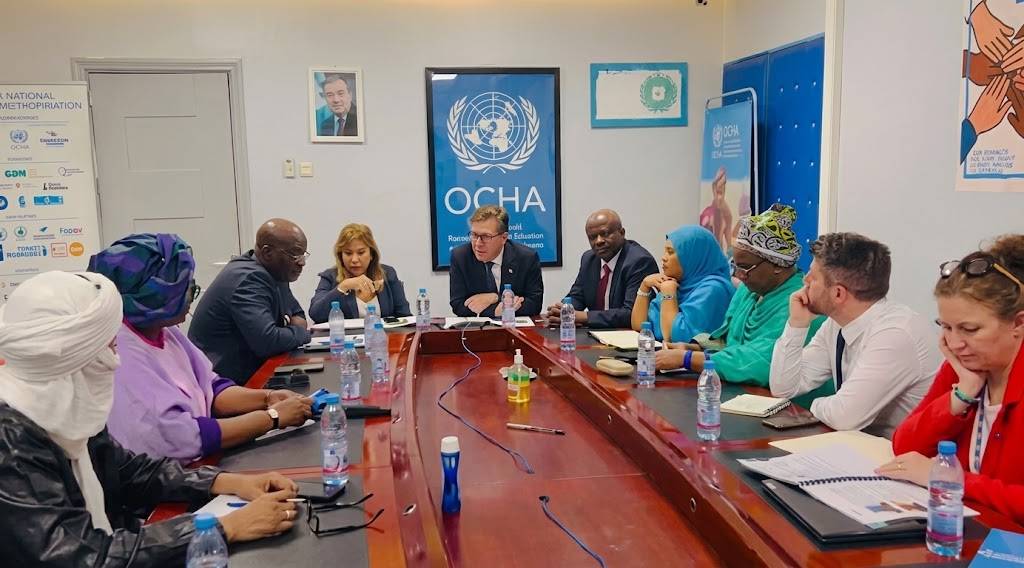
In a decisive move that signals a potential turning point for Mali’s escalating humanitarian crisis, a high-level United Nations delegation led by Tom Fletcher, UN Assistant Secretary-General for Humanitarian Affairs and Emergency Relief Coordinator, arrived in Bamako this week. The visit unfolds against a backdrop of profound challenges: 5.1 million Malians are projected to require urgent humanitarian assistance by 2026.
UN mission arrives at critical moment for Mali’s vulnerable populations
While Malian authorities have recently implemented policies leading to the withdrawal of certain international organizations, the UN’s arrival marks a significant shift in diplomatic engagement. This comes as the country faces one of the most pressing humanitarian challenges in Sub-Saharan Africa, with 5.1 million people—nearly 27% of the population—expected to need support ranging from food security to medical care.
Among those in need, 3.8 million individuals are identified as primary targets for emergency interventions outlined in the 2026 Humanitarian Response Plan. The stark discrepancy between total needs and targeted beneficiaries underscores a widening gap that threatens to leave hundreds of thousands without essential services.
Sovereignty vs. solidarity: navigating complex diplomatic terrain
The UN delegation’s presence arrives amid heightened tensions between Malian authorities and several international partners. Recent measures taken by the transitional government have restricted the operations of multiple humanitarian agencies, prompting concerns about service delivery for displaced families, rural communities, and conflict-affected regions.
This visit is not merely symbolic; it represents a moment of reckoning. The UN’s engagement must strike a balance between respecting Mali’s sovereignty and ensuring that life-saving assistance reaches those most in danger. Fletcher’s discussions will focus on identifying viable pathways to restore and expand humanitarian access without compromising national policies.
The harsh reality behind the numbers
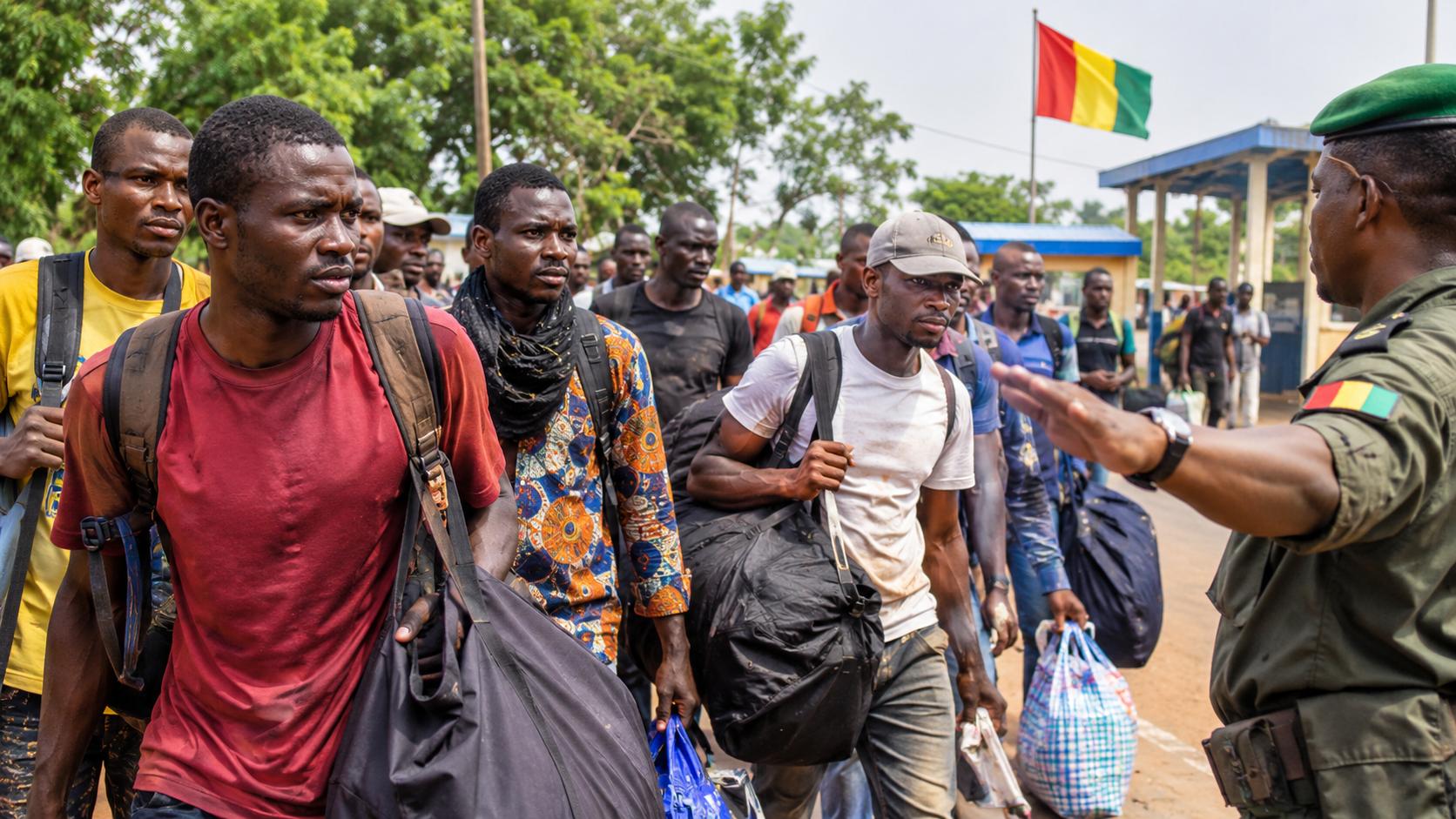
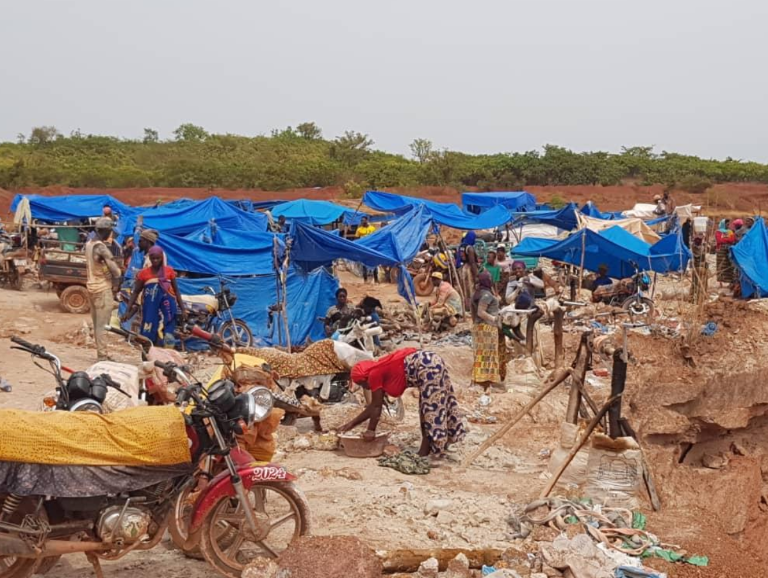
Behind the staggering statistics lies a human tragedy. The 5.1 million figure encompasses internally displaced persons fleeing violence, rural families grappling with drought and failed harvests, and urban communities denied access to basic healthcare, clean water, and sanitation facilities.
- Food insecurity: Over 2 million people face acute hunger, with malnutrition rates climbing in northern and central regions.
- Healthcare collapse: Maternal and child mortality rates are rising as clinics shut down or operate at reduced capacity.
- Water scarcity: Only 58% of the rural population has reliable access to clean water, exacerbating disease outbreaks.
- Protection crisis: Thousands of children are at risk of recruitment by armed groups, while gender-based violence surges in displacement camps.
Mali’s crisis by region
While the entire country grapples with instability, the northern and central regions bear the brunt of the crisis:
- Mopti: Over 700,000 displaced persons strain local infrastructure, with aid convoys frequently blocked by insecurity.
- Timbuctu: Access to healthcare has dwindled as medical NGOs withdraw, leaving pregnant women and children without critical services.
- Ségou: Food insecurity is at crisis levels, with families surviving on one meal a day during the lean season.
Can diplomacy and aid coexist in Mali?
The UN’s mission carries more than just analysis—it carries a message of urgency. Fletcher’s agenda includes high-level talks with transitional authorities, local leaders, and frontline aid workers. The goal? To forge a consensus on how humanitarian aid can be delivered without being tied to broader political disputes.
Key questions loom large:
- How can Mali ensure its national sovereignty while still receiving international support?
- What mechanisms will be established to protect aid workers and beneficiaries from reprisals?
- Can funding gaps—currently at $800 million for the 2026 plan—be closed in time to prevent further deterioration?
A moment for action, not rhetoric
The UN delegation’s visit is not the first attempt to address Mali’s crisis, nor will it be the last. What makes this moment different is the convergence of three factors: a sharp increase in humanitarian needs, a tightening of international aid channels, and a growing recognition among world bodies that inaction has real consequences.
As Fletcher stated prior to arrival, “Humanitarian crises do not pause for geopolitical shifts. The people of Mali need solutions today—not in six months, not when conditions are more favorable. The time to act is now.”
The world is watching. Mali’s leaders are being tested. And for 5.1 million people, every day without assistance is a day closer to catastrophe. The UN’s visit is a critical step—but it must be followed by tangible commitments, unobstructed access, and a renewed spirit of cooperation. The question now is whether this moment will lead to meaningful change, or simply fade into another round of diplomatic discussions.