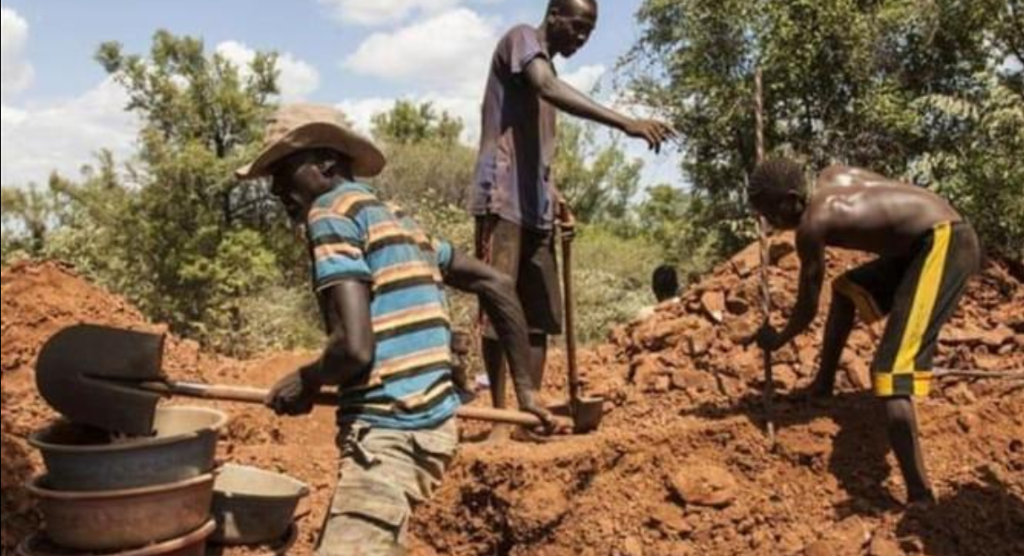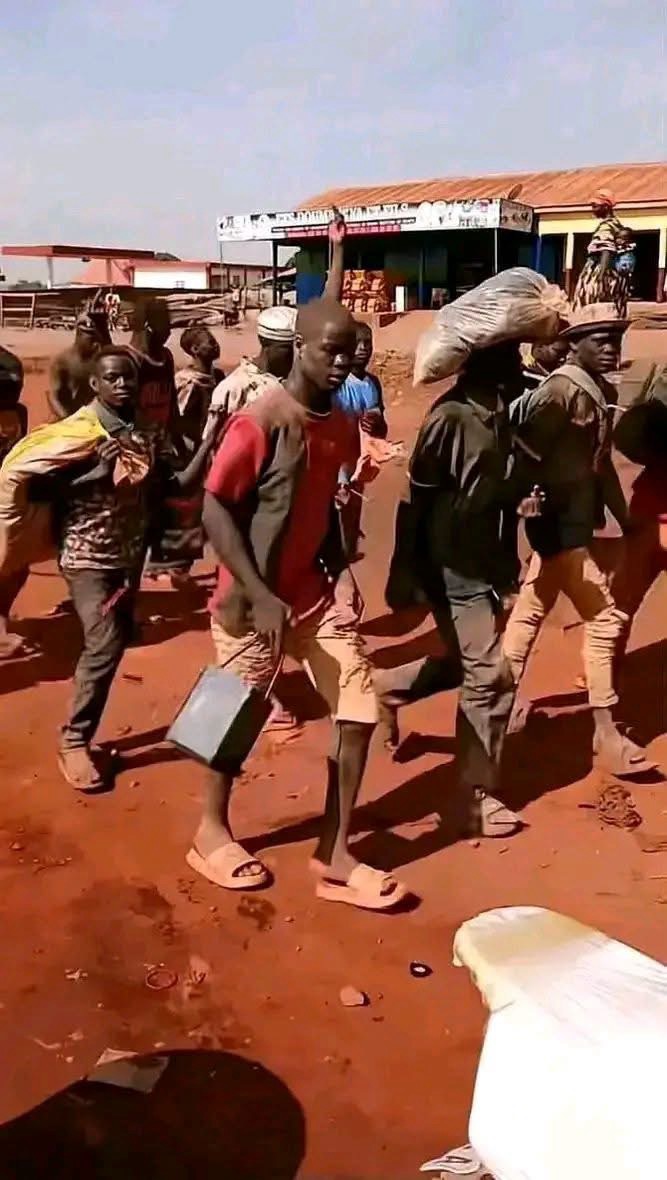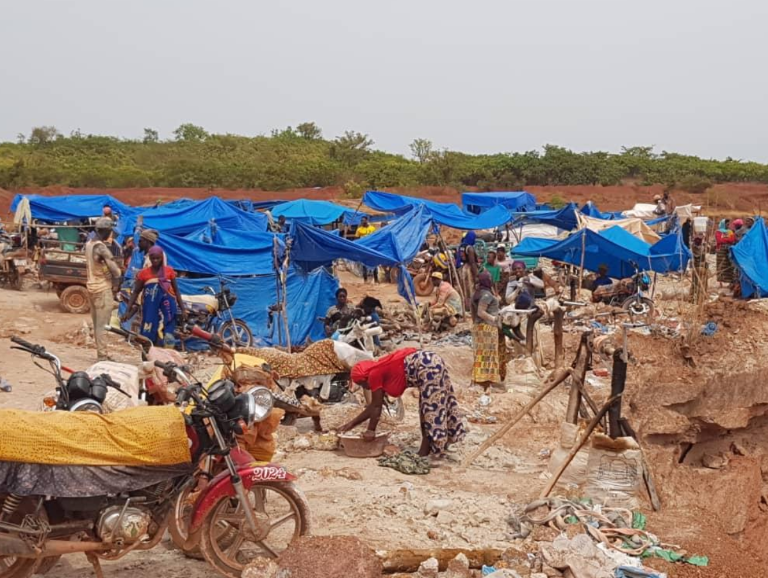
Guinea’s sweeping crackdown on illegal gold mining has exposed a hidden human tide flowing across its borders. Among the 1 412 arrested in recent operations, scores of Burkinabè workers have been caught in the dragnet — their presence in Guinea’s artisanal pits raising urgent questions about poverty, policy failures, and the unmet promise of economic sovereignty in Burkina Faso.
From survival strategy to legal reckoning
The Guinean authorities have escalated their fight against unauthorized mining, dismantling clandestine sites and bringing suspects before the courts. A recent wave of arrests saw 1 263 individuals prosecuted, alongside 149 more detained in Kérouané and Siguiri between November 7 and 8, all remanded in Kankan’s judicial custody. These figures paint a stark picture: not just of law enforcement, but of a mass migration born of desperation.
Gold, poverty, and the lure of a neighboring rush
For many Burkinabè, the promise of Guinea’s goldfields offers a fragile hope. Without stable incomes at home, thousands have risked everything in the shadow economy of artisanal mining, despite health risks, unstable ground, and violent competition. The surge in cross-border movement reflects a deeper crisis: a regional imbalance where mineral wealth does not translate into local livelihoods.
Traoré’s economic vision under scrutiny after border exodus
Since Ibrahim Traoré took power in 2022, Burkina Faso has pursued a bold agenda of resource nationalism, aiming to reclaim control over its mineral wealth. Yet the exodus of Burkinabè miners to Guinea suggests that sovereignty involves more than policy statements or contract renegotiations. It demands concrete improvements in employment, rural incomes, and access to dignified work. The mass arrests across the border now force a reckoning: how can a gold-rich nation still send its people to dig for survival elsewhere?
Structural pressures shaping migration decisions
- Insecurity: Ongoing conflicts and internal displacements have weakened local economies, pushing vulnerable households toward riskier income sources.
- Job scarcity: A lack of formal employment in agriculture and services leaves many with few alternatives.
- Soaring living costs: Inflation and market instability reduce purchasing power, especially in rural areas.
Guinea’s balancing act: repression vs. root causes
Guinea’s response has prioritized judicial action and environmental protection, targeting illegal operations that poison rivers, degrade farmland, and endanger communities. But sanctions alone cannot erase the conditions driving migration. Without coordinated regional strategies — including shared labor market reforms and protected livelihood programs — clandestine mining is likely to persist, merely shifting from one site to another.
What the arrest numbers don’t reveal — and why it matters
Despite the scale of operations, Guinea’s official tally offers no breakdown by nationality, leaving the exact number of Burkinabè miners unknown. What remains clear is the human cost: families torn between hope and hardship, workers caught between survival and legality. These silent numbers represent a turning point — not just for law enforcement, but for the future of economic policy in the Sahel.
Sovereignty’s true test: can gold translate into dignity?
True sovereignty is measured not by control over mines or national rhetoric, but by the ability to secure a decent life for every citizen. For Burkina Faso, the exodus to Guinea’s goldfields is a mirror held up to its unfulfilled promise: an economy that protects its people as much as its resources. The moment to act is now — before another generation seeks survival across borders.