Niamey hosts historic AES education summit to tackle Sahel’s deepening learning crisis
The first-ever Conference of Education and Training Ministers from the Alliance of Sahel States (AES) convened in Niamey today, marking a decisive turning point in the region’s battle against a crippling educational crisis. With school closures, teacher shortages, and security threats displacing millions of children, the summit arrives at a critical juncture where decisive action could redefine the future of education across Niger, Mali, and Burkina Faso.
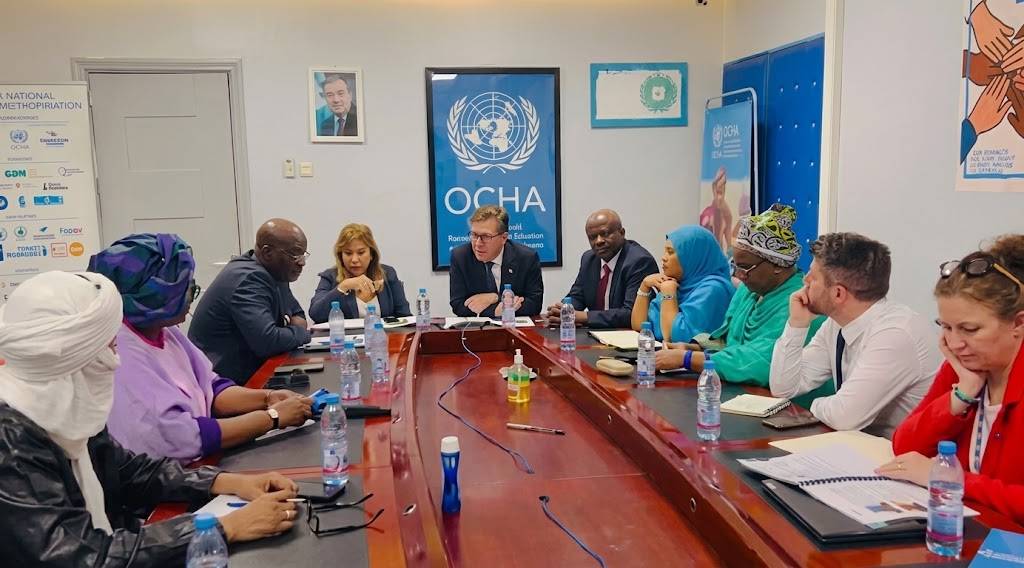
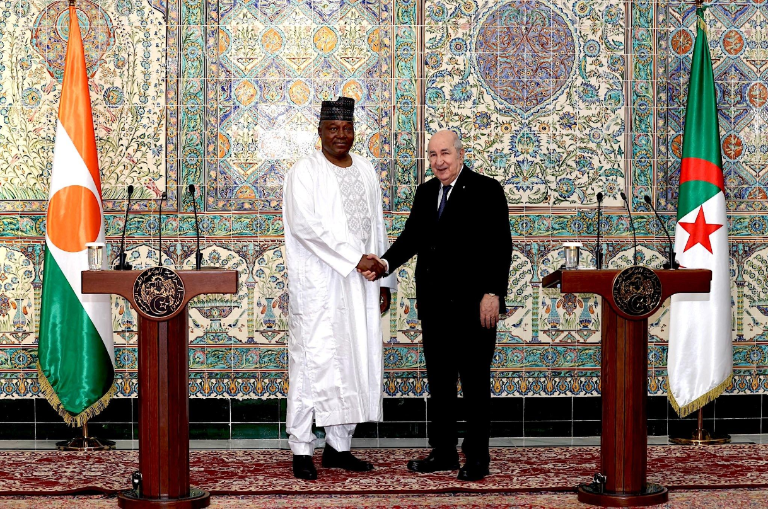
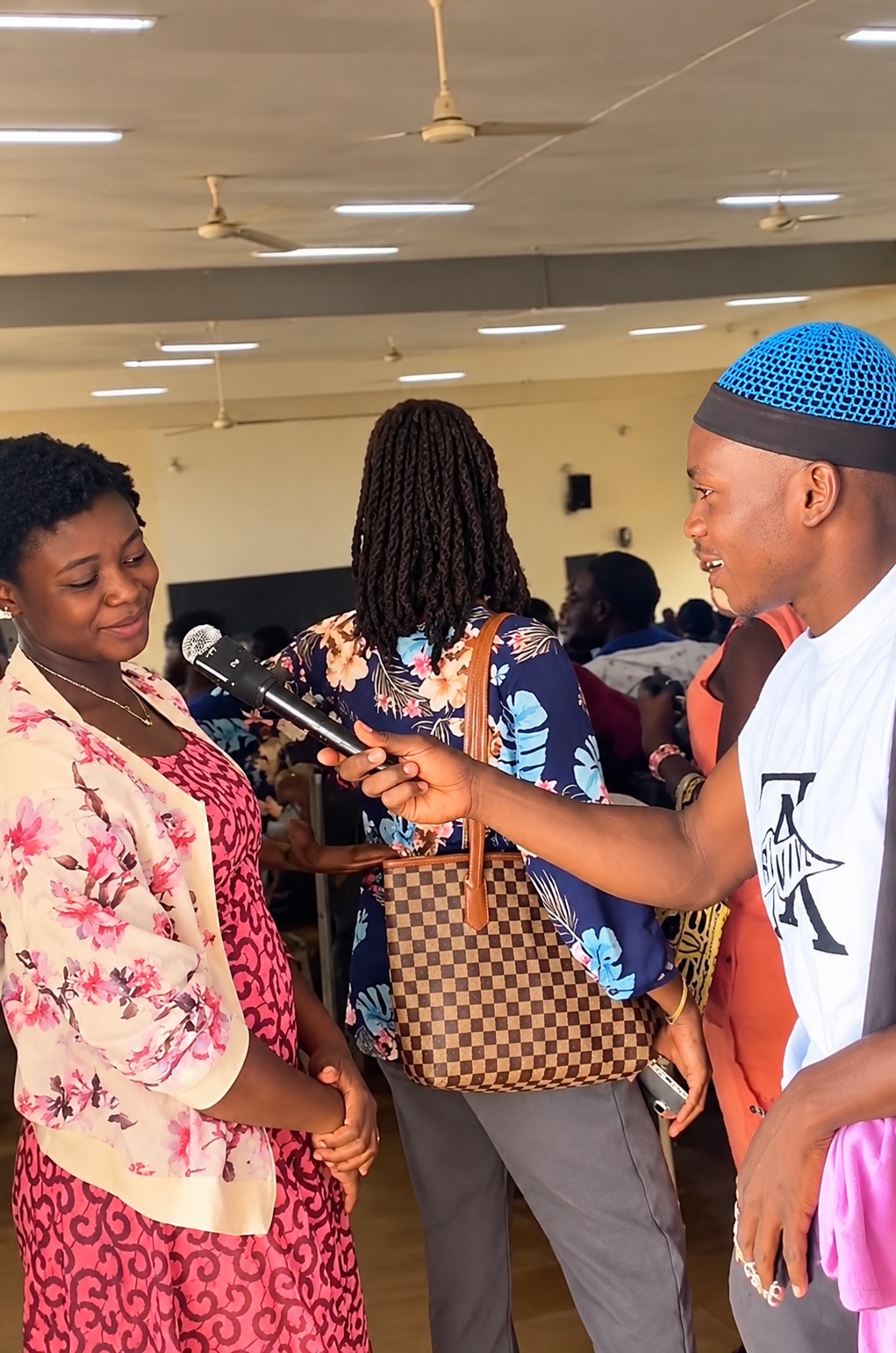
The high-profile opening ceremony was led by Niger’s Prime Minister, Ali Mahamane Lamine Zeine, alongside members of the National Council for the Safeguard of the Homeland (CNSP), government officials, and diplomatic representatives. Delegations from Mali and Burkina Faso, led by their respective education ministers, joined the landmark event, signaling a unified commitment to rebuilding resilient, sovereign education systems in the face of unprecedented challenges.
The summit’s primary goal? To lay the groundwork for an integrated, self-reliant educational framework that serves the developmental needs of the confederation. Yet this bold ambition unfolds against a backdrop of structural weaknesses that threaten to undermine progress. The fundamental question remains: How can an education system thrive when classrooms stand empty and qualified teachers are in short supply?
The teacher shortage crisis: a ticking time bomb for Sahel’s classrooms
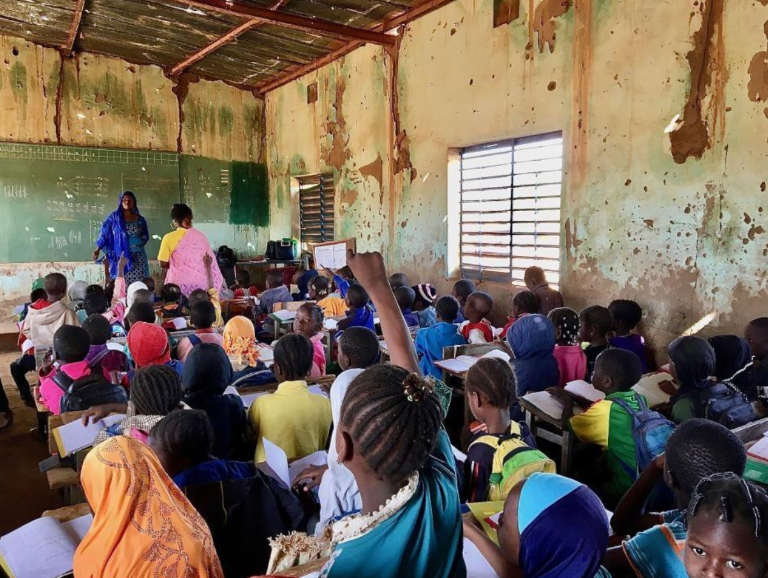
The AES countries face a severe shortage of qualified educators, a crisis that has intensified over the years. In Niger alone, the 2023-2024 school year saw 69,636 primary school teachers for over 3 million students—a ratio of 43 students per teacher. These numbers highlight the immense strain on both infrastructure and teaching staff, a situation exacerbated by the lack of proper training and professional development opportunities.
Former Nigerien Education Minister Élisabeth Shérif acknowledged in 2026 that the deficit of qualified teachers and inconsistent teaching quality were among the system’s most pressing internal challenges. With 105,869 teachers across all levels for nearly 3.95 million students, the country’s education sector continues to grapple with systemic inadequacies. A UNESCO report from 2017 revealed that 78.5% of the 70,491 public school teachers were contract workers, with some lacking any prior pedagogical training—a stark reminder of the urgent need for stronger teacher training programs and professional development initiatives.
Mali and Burkina Faso face similar struggles, compounded by security challenges that hinder teacher deployment to remote areas and force educators to abandon posts in high-risk zones. The result? A generation of children denied access to quality education, their futures hanging in the balance.
School closures and insecurity: the silent theft of childhood
The educational crisis in the Sahel is not merely a numbers game—it is a humanitarian emergency. Armed violence has forced thousands of schools to close, stripping children of their fundamental right to learn. In Burkina Faso, 5,336 schools were shuttered as of February 2024, leaving over 820,000 students and 24,000 teachers without access to education. Despite efforts to reopen schools, the persistent security threats continue to disrupt learning across multiple regions.
Mali’s situation is equally dire. By June 2026, 2,444 schools remained non-functional, impacting 733,200 children and 14,604 teachers—more than one in five schools nationwide. In Niger, 1,097 schools were closed by the end of 2025 due to security concerns, affecting 93,676 students, 48% of whom were girls. The Tillabéri region alone accounted for 1,032 of these closed schools.
These figures paint a harrowing picture: classrooms standing empty, teachers fleeing unsafe zones, and communities losing hope. For millions of children, the dream of an education is slipping away, replaced by the harsh realities of displacement and instability.
Displacement fuels the education emergency
The security crisis has triggered massive internal displacements, further destabilizing education systems. Families fleeing violence often abandon their homes, livelihoods, and schools, leaving children with interrupted or permanently severed access to education. According to 2026 data from the International Organization for Migration (IOM) and the UNHCR, Burkina Faso had over 2 million internally displaced persons, Mali recorded 414,524, and Niger counted 548,386.
The influx of displaced families into safer areas places additional strain on local schools, which struggle to accommodate new students without adequate infrastructure or teaching staff. For many children, displacement means prolonged absences from school—or worse, dropping out entirely. The loss of education opportunities for these vulnerable groups threatens to deepen poverty and inequality across the region.
From policy to action: Niamey’s roadmap for educational sovereignty
The AES education summit presents a rare opportunity for the three nations to forge a unified response to their shared crisis. Key priorities include harmonizing curricula, pooling educational resources, recognizing diplomas across borders, and strengthening teacher training programs. Expanding technical and vocational education could also equip students with skills tailored to the region’s evolving economic needs.
Yet the path forward demands more than policy declarations—it requires concrete, urgent measures. Reopening shuttered schools, securing educational facilities, recruiting and retaining teachers in high-risk areas, and implementing alternative learning solutions are critical steps. Special attention must be given to displaced children, ensuring they can resume their education without delay.
The stakes could not be higher. In Niger alone, nearly five million children remain out of school, a staggering figure that underscores the magnitude of the challenge ahead. The Niamey summit must do more than proclaim the dawn of a sovereign education system; it must lay the foundation for tangible transformation. Every child, regardless of their location or socioeconomic background, deserves access to quality education—a cornerstone of the AES’s vision for a self-reliant future.
The true measure of the AES’s sovereignty will be its ability to cultivate local talent, preserve indigenous knowledge, and prepare its youth for the challenges of tomorrow. In Niamey, the moment of reckoning has arrived: will the summit’s bold rhetoric translate into lasting change for Sahel’s classrooms?
Key takeaways from the AES education summit
- Unified action: The summit signals a historic commitment from Niger, Mali, and Burkina Faso to collaborate on education reform.
- Teacher crisis: A severe shortage of qualified educators threatens the quality and accessibility of education across the region.
- School closures: Armed violence has forced thousands of schools to close, displacing millions of students and teachers.
- Displacement impact: Internal migration strains local education systems, leaving displaced children at risk of permanent exclusion from school.
- Road to recovery: The summit must prioritize reopening schools, securing facilities, and implementing alternative learning solutions to rebuild resilient education systems.