Washington’s latest diplomatic salvo has thrown Madagascar’s strategic choices into sharp relief, as the island nation contemplates deeper security ties with Moscow at a pivotal moment for regional stability.
US issues stark warning on Russia’s Sahel-style security model
Senior US military figures have cautioned Madagascar against replicating a controversial Russian security framework that has failed to curb violent extremism in the Sahel. The caution comes amidst growing collaboration between Antananarivo and Moscow, raising concerns in Washington over potential spillover effects in the Indian Ocean.
What exactly is Washington worried about?
The US Department of Defense has expressed reservations about the transfer of the Sahel security model—seen as ineffective by American officials—to new African regions. This model, which relies heavily on private military contractors and limited long-term security sector reform, has not resolved jihadist violence in Mali, Burkina Faso or Niger.
Washington’s critique centers on the limited impact of Russian security assistance in the Sahel, where despite Moscow’s expanded military footprint, militant groups continue to carry out deadly attacks across the region.
Breaking down the Russian approach in Africa
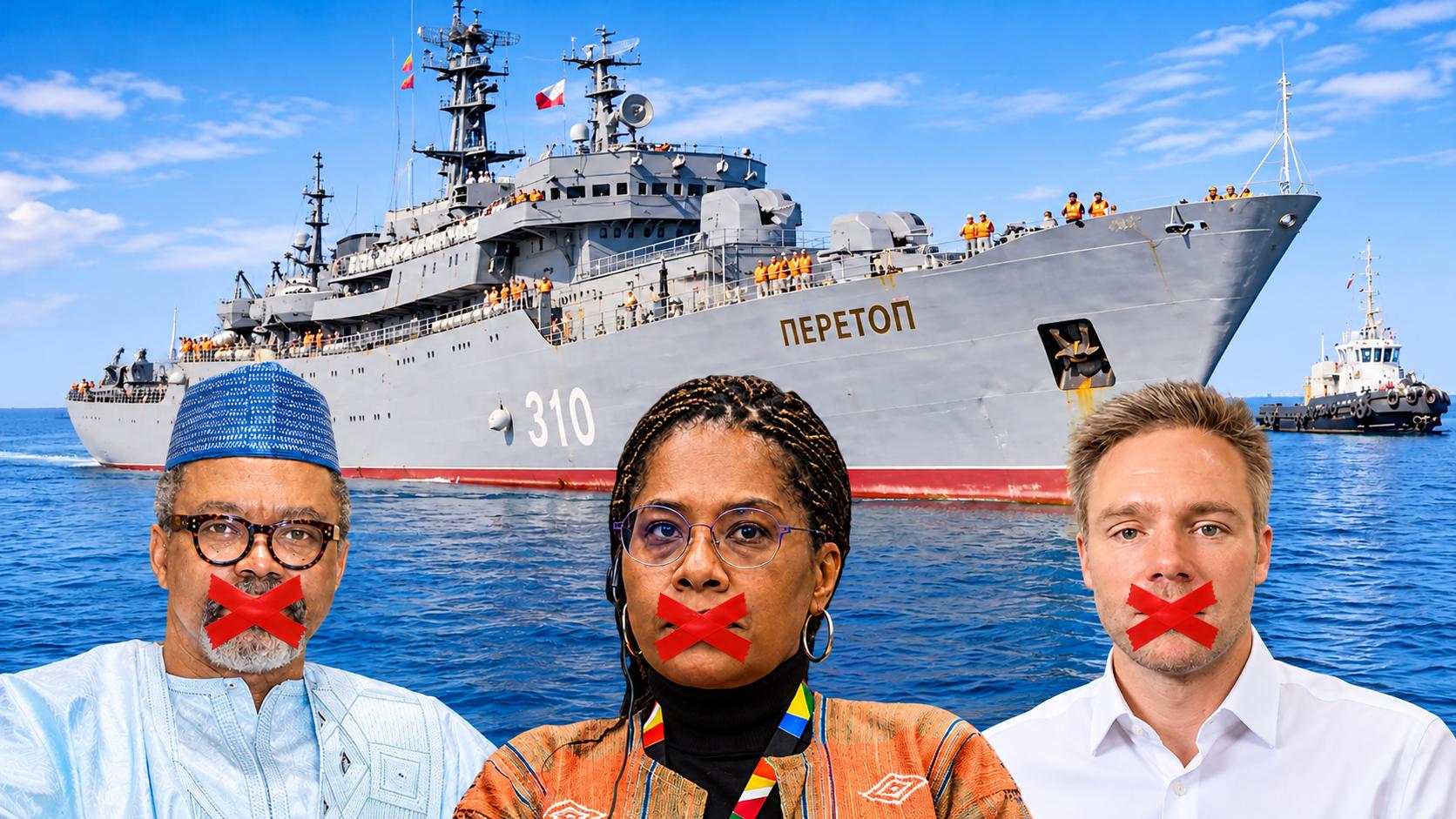
Russia has restructured its African engagements under the banner of Africa Corps, a Defense Ministry-aligned structure that replaced elements of the Wagner Group. While providing logistical support, training and weaponry, this model has fallen short of delivering lasting stability in surveyed territories.
The persistence of insecurity has prompted US officials to question whether this strategy is suitable for Indian Ocean nations like Madagascar, where geopolitical stakes are high due to critical maritime routes.
Antananarivo’s growing ties with Moscow spark US response
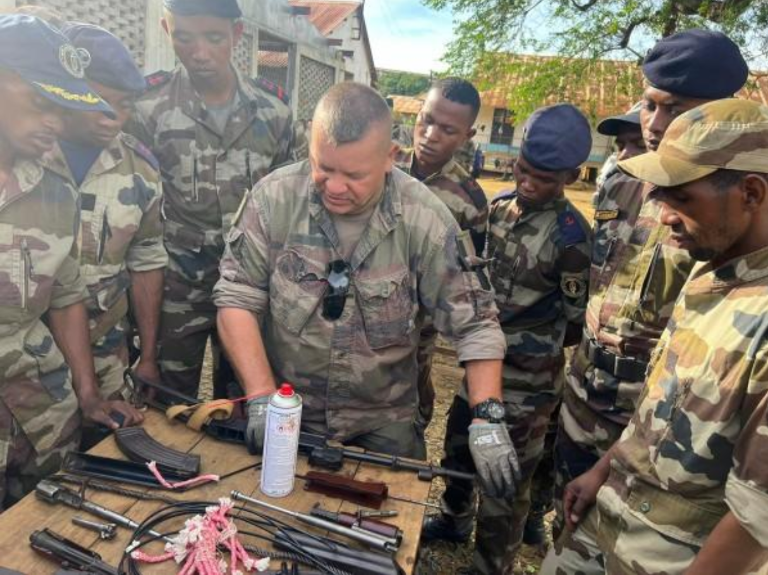
Since political changes in 2025, Madagascar has accelerated its partnership with Russia. Military cooperation now includes weapon transfers, drone deliveries and training programs conducted by Russian instructors. High-level diplomatic engagements have culminated in multiple defense and economic agreements.
American observers view this trajectory with concern, especially as Madagascar’s geographic position makes it a linchpin in Indian Ocean security dynamics.
The strategic importance of the Mozambique Channel
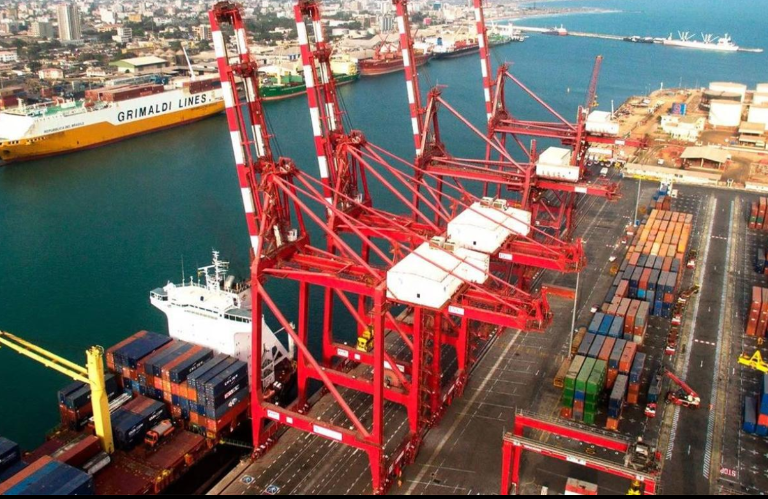
Washington’s warnings extend beyond continental security to the Mozambique Channel, a vital maritime corridor linking the Indian and Atlantic Oceans. Over 25% of global maritime trade passes through this route, including energy shipments and container traffic.
Recent assessments by US military leadership indicate a rise in Islamic State-affiliated groups operating in northern Mozambique. These factions are adapting tactics—raising alarms over potential threats to commercial shipping and regional stability.
Balancing autonomy and alliances: Madagascar’s strategic crossroads
Despite urging caution, US officials have emphasized that Madagascar retains the sovereign right to choose defense partners. However, they have urged Antananarivo to carefully weigh the long-term implications of aligning with Moscow’s security model.
This moment underscores a broader geopolitical contest in which Indian Ocean nations are increasingly courted by global powers seeking influence and access.
Risks versus opportunities in Madagascar-Russia cooperation
- Risks: Persistent security gaps in Sahel nations suggest Russian military support may not resolve Madagascar’s own insurgency challenges.
- Opportunities: Enhanced military capacity could strengthen Madagascar’s sovereignty, but may come at the cost of regional trust and Western partnerships.
- Uncertainty: Unclear long-term outcomes could leave Madagascar vulnerable to shifting international allegiances.
Washington’s play: influence without confrontation
Rather than imposing penalties, the US appears focused on dialogue and dissuasion—aiming to preserve its strategic presence in the Indian Ocean while encouraging Madagascar to reconsider deepening ties with Russia.
The visit of a US military delegation to Antananarivo in early November reflects this measured approach, signaling a blend of engagement and strategic signaling.
What lies ahead for Madagascar’s foreign policy?
As Antananarivo navigates relations with both Moscow and Washington, it faces a complex equation: balancing national interest, security needs and regional trust. One thing is certain—the future of Madagascar’s foreign policy will be shaped not only by internal priorities, but by the evolving balance of power in the Indian Ocean.