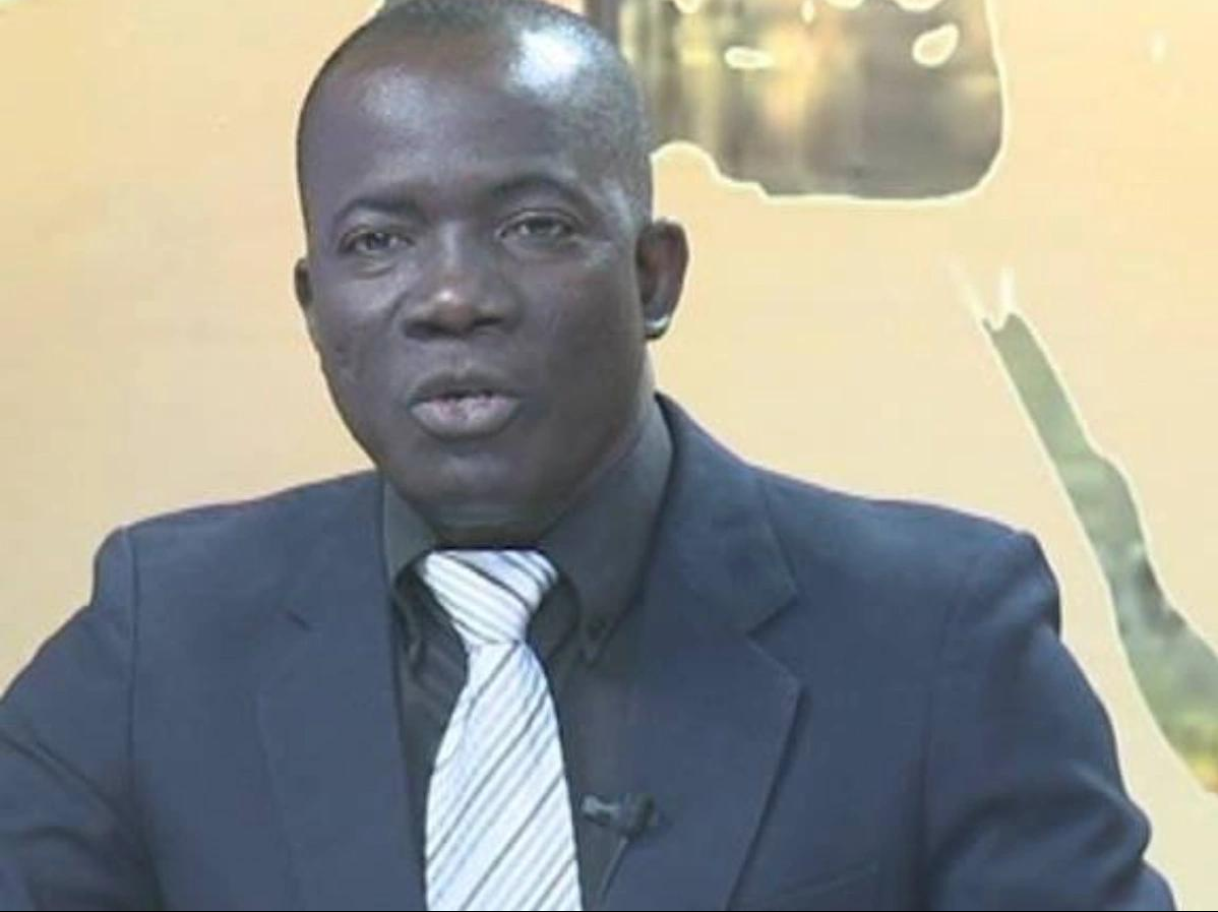
In a significant development that has sent ripples through Niger’s media landscape, journalist Serge Mathurin Adou walked free on November 11, 2026, after spending more than two years behind bars on charges of threatening national security. His release marks a momentary turning point in a broader story of repression, where the country’s independent press has faced increasing restrictions since the 2023 military takeover led by General Abdourahamane Tiani.
Long overdue justice: A journalist’s fight for freedom
Serge Mathurin Adou, a dual citizen of Niger and Côte d’Ivoire who worked with Canal 3 Niger, had his life upended on September 1, 2024. That day, he vanished after informing his wife he had been summoned by judicial police in Niamey. For weeks, his family and colleagues searched in silence, unaware of his whereabouts or the fate that awaited him.
His disappearance took an unexpected turn when Burkina Faso’s security minister, Mahamadou Sana, publicly named him on September 23, 2024, as one of fifteen individuals allegedly involved in a plot to destabilize Burkina Faso’s military government. A few months later, in November 2024, Adou found himself formally charged in Niger with ‘undermining state security.’ The prosecution pursued a harsh sentence of twenty years, but the court handed down two years in prison on November 21, 2025. Now, after over 750 days in detention, he is finally home.
From detention to daring debate: How one case exposes systemic threats
The circumstances surrounding Adou’s case go far beyond his personal ordeal. His arrest and trial shed light on the growing risks journalists face when reporting on sensitive security or political issues in Niger. Since the July 26, 2023 coup that brought General Tiani to power, the media environment has deteriorated sharply. Reports from local and international watchdogs now warn of a sustained crackdown on press freedoms, marked by arrests, suspensions, and self-censorship.
Journalists such as Samira Sabou, Ousmane Toudou, and Soumana Maïga have faced similar fates—detention, legal harassment, or forced silence—creating a climate of widespread fear in newsrooms. Their experiences reflect a troubling pattern: those who dare to investigate security threats or political dissent risk retaliation not only from authorities but also through ambiguous legal cases that blur the lines between national security and press freedom.
Press freedom in freefall: The numbers tell a stark story
The decline in Niger’s media environment is no longer just anecdotal—it is quantified. According to Reporters Without Borders (RSF), Niger plummeted from 83rd place in 2025 to 120th in 2026 in its World Press Freedom Index, dropping 37 places in a single year. This collapse is directly tied to the 2023 coup, which RSF identifies as a turning point in the erosion of press liberties.
Economic pressure, regulatory barriers, and direct intimidation have all contributed to this decline. Media organizations have been shut down, international broadcasters like RFI and France 24 have been suspended, and the very structure representing journalists—the Maison de la presse—was closed in January 2024. As a result, many reporters now avoid sensitive topics, knowing the cost of speaking out could be arrest or worse.
What freedom means beyond one man’s release
Adou’s return is undeniably a cause for celebration—for his family, his colleagues, and defenders of press freedom. Yet it cannot be mistaken for progress. The threat to journalism in Niger remains systemic. Dozens of reporters still face legal proceedings, media outlets continue to operate under restrictive conditions, and those who remain in the field do so knowing the risks are real and immediate.
The argument that national security justifies curbing press freedom is a dangerous oversimplification. In a country facing complex security challenges in the Sahel, a cohesive society depends on citizens having access to accurate, independent information. Without it, public trust erodes—and so does the foundation of democracy.
What comes next? A call for enduring change
Serge Mathurin Adou is out of prison, but his case is a reminder that no journalist should have to trade liberty for the right to inform. His release offers a fragile moment of hope, but real progress will require more than symbolic victories. It will demand the restoration of judicial safeguards, the lifting of media restrictions, and a commitment from authorities to protect—not punish—those who hold power to account.
As the situation evolves, the world will be watching. Not just to see if another journalist is jailed or silenced—but to determine whether Niger’s institutions can finally prioritize freedom of expression alongside security. For the press, and for the people who depend on it, that balance cannot wait.