The 2027 French presidential election is shaping up to be one of the most unpredictable in recent history. With more than 30 candidates already declaring their intentions, the race is heating up—but securing a spot on the ballot is far from guaranteed. The critical hurdle? Gathering 500 endorsements from elected officials, a requirement that could derail even the most ambitious contenders.
From declaration to validation: the make-or-break challenge
Announcing a presidential bid is the easy part. In France, the real test begins when candidates must transform public declarations into official candidacies. The 500-signature rule, a cornerstone of the electoral process, ensures that only those with broad support across the country can compete. This isn’t just about numbers—it’s about geography, strategy, and political leverage.
The 500-parrainage rule: a geographic and political maze
The law requires candidates to collect signatures from elected officials, including mayors, parliamentarians, regional and departmental councilors, and other authorized representatives. But the challenge doesn’t end there. These endorsements must come from at least 30 different departments or overseas territories, with no single department contributing more than 50 signatures (10% of the total). This rule prevents candidates from relying on a concentrated network in one region, ensuring a minimum level of national representation.
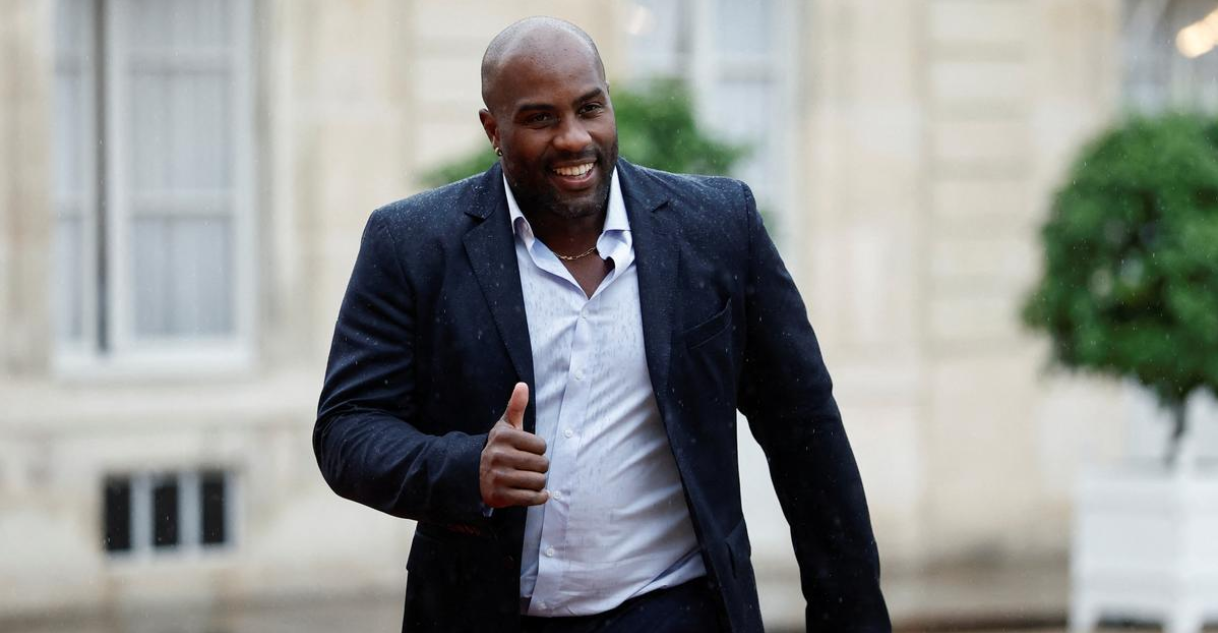
For outsider candidates—like Olympic champion Teddy Riner, who entered the race in November 2026—this means building alliances across the political spectrum. Riner’s bid, framed as a unifying force outside traditional left-right divides, highlights the difficulty of securing endorsements without a party machine or established local presence.
Who really qualifies to run?
Beyond the 500 signatures, candidates must meet strict legal criteria. They must be French nationals, at least 18 years old, and free of any legal restrictions on their civil or political rights. They must also comply with national service obligations and electoral formalities. Failure to meet any of these conditions can lead to disqualification before the campaign even begins.
Once the signatures are collected, candidates submit their dossiers to the Constitutional Council, which verifies their eligibility. This includes checking the validity of the endorsements, ensuring candidates haven’t been barred from running, and confirming their consent to participate. Candidates must also file declarations of assets and interests, adding another layer of scrutiny.
The March 2027 deadline: a ticking clock for candidates
The clock is ticking. The Constitutional Council must receive all endorsement packages by March 12, 2027, at 6 PM. The official list of candidates will then be published by March 26, 2027. For those without deep political roots, this window is a high-stakes sprint to gather signatures before the deadline.
Campaign financing adds another layer of complexity. Spending is capped, and all financial transactions must be reported to the National Commission for Campaign Accounts and Political Financing (CNCCFP). Transparency rules apply to donations, ensuring candidates play by the same financial rules regardless of their background.
Will all 30+ hopefuls make it to the ballot?
History suggests no. Some candidates will drop out under pressure, while others will fail to meet the 500-signature threshold. Teddy Riner’s campaign, for instance, faces the same obstacles as lesser-known figures: convincing enough elected officials to endorse a bid that lacks traditional party backing.
The first round of voting is set for April 18, 2027, with a potential runoff on May 2, 2027. Until then, the political landscape will remain fluid, with new declarations and last-minute withdrawals shaping the race. But one thing is certain: in France, ambition alone isn’t enough. The 500-signature rule is the ultimate gatekeeper—and only those who clear it will have a shot at the Élysée.