China’s stealth military buildup shifts balance of power in Taiwan Strait
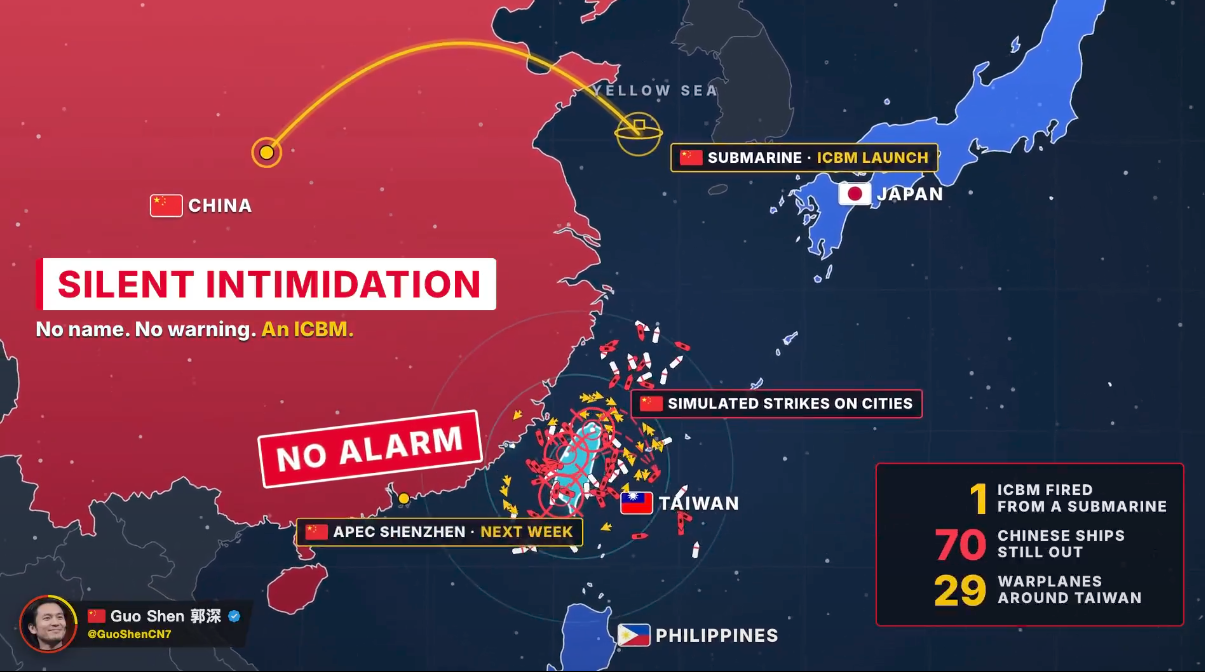
In a dramatic escalation of military pressure, Beijing has quietly deployed over 100 warships in a sweeping naval exercise across the western Pacific—a maneuver that analysts describe as a potential turning point in the standoff over Taiwan. According to intelligence findings in Taipei, Chinese forces also carried out a suspected test launch of a ballistic missile from a submarine, signaling a new phase in regional deterrence strategies.
The ambitious operations, conducted without prior announcement, involved multiple naval commands and China’s sole operational aircraft carrier, the Liaoning. The scale and coordination of the drills point to a coordinated effort to test blockade scenarios, maritime control tactics, and long-range strike capabilities—all critical components of potential future conflict dynamics.

Taiwan’s security officials warn of unprecedented military pressure
High-ranking Taiwanese defense sources, speaking on condition of anonymity, revealed that the exercises simulated attacks not only against Taiwan but also against foreign military installations and strategic shipping lanes. About 70 Chinese vessels remain positioned just beyond the first island chain as of Friday, maintaining a presence that raises concerns about long-term blockade readiness.
The clandestine nature of the operation has drawn sharp criticism. Dubbed an “intimidation without declaration” by security analysts, the strategy allows Beijing to exert psychological pressure while avoiding overt diplomatic backlash. The timing is particularly notable, coinciding with the APEC summit in Shenzhen, though no direct link to the international gathering has been confirmed.
Underwater missile test raises nuclear deterrence concerns
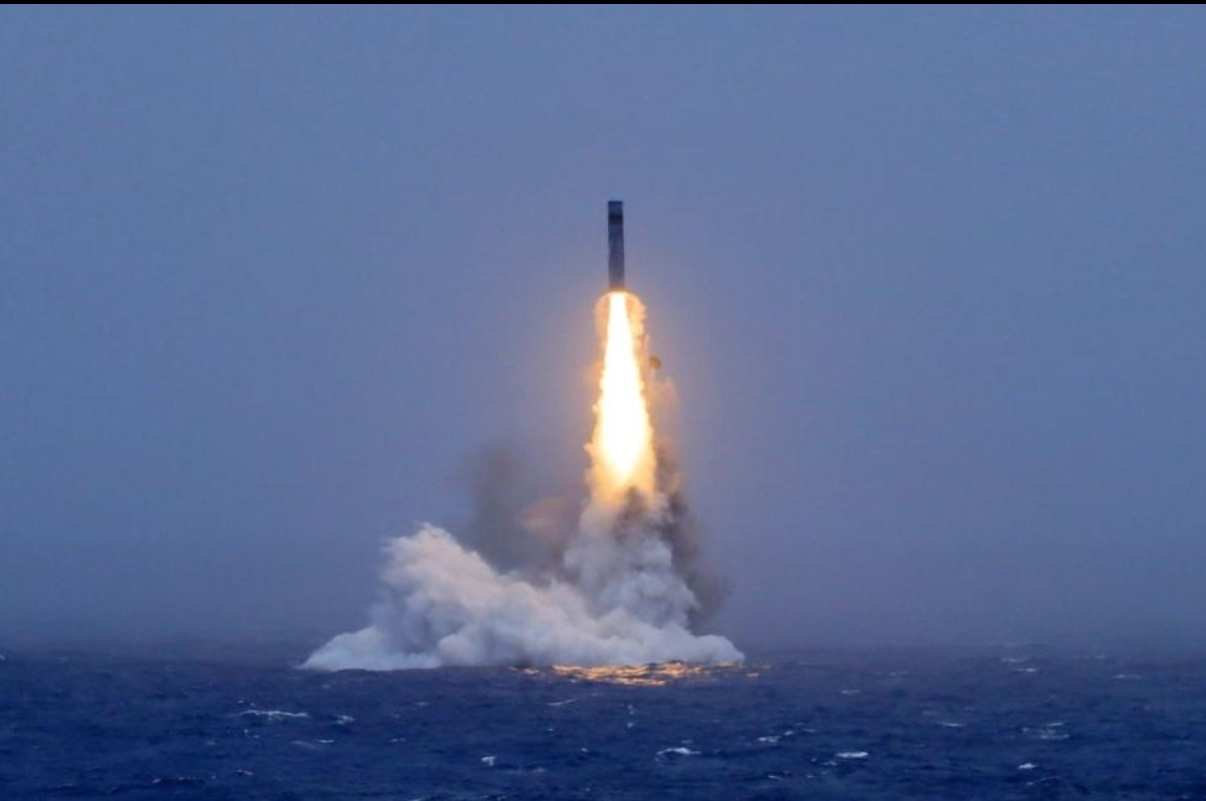
Most alarming is the suspected submarine-launched ballistic missile test in the Yellow Sea. While details remain unverified, such a capability would significantly enhance China’s second-strike nuclear deterrent and complicate tracking by foreign navies. The underwater domain, already a contested space, now appears central to Beijing’s evolving military doctrine.
Without independent confirmation of the missile launch, analysts caution against definitive conclusions. Still, the reported incident underscores a broader strategy: leveraging asymmetric naval power to reshape the regional security architecture without triggering full-scale war.
Regional allies brace for ripple effects
The exercise’s reach extends far beyond Taiwanese waters. Japan, situated at the heart of the first island chain, faces heightened risks to its critical trade routes and energy supplies. Meanwhile, the United States is reevaluating its freedom-of-navigation operations amid fears Beijing may be testing “anti-access/area denial” (A2/AD) capabilities designed to restrict foreign intervention.
The G7’s November 11 statement condemning China’s military activity east of Taiwan reflects growing unease among Western powers. Yet whether diplomatic declarations alone can curb Beijing’s strategic ambitions remains uncertain.
Taiwan confronts a new era of strategic uncertainty
The maneuvers reveal a fundamental shift: Beijing appears to be building the operational capacity for sustained pressure—through naval blockades, missile tests, and coordinated fleet deployments—without resorting to open conflict. For Taipei, the challenge is no longer just deterring an invasion, but countering a creeping erosion of sovereignty through calibrated military intimidation.
The question now is clear: How far will China go to assert control over Taiwan’s future—and how will the world respond?
A timeline of key developments
- Early November: China conducts largest unannounced naval drill in the western Pacific, involving over 100 ships from multiple fleet commands
- Mid-November: Taiwanese officials report suspected submarine-launched ballistic missile test in the Yellow Sea
- November 11: G7 foreign ministers issue joint statement expressing concern over Chinese military activities east of Taiwan
- November 13: 70+ Chinese vessels remain deployed near the first island chain, extending the exercise’s duration
- November 18-19: APEC summit held in Shenzhen amid heightened regional tensions