The turning point: 7 billion FCFA and the unraveling of Niger’s oil sector
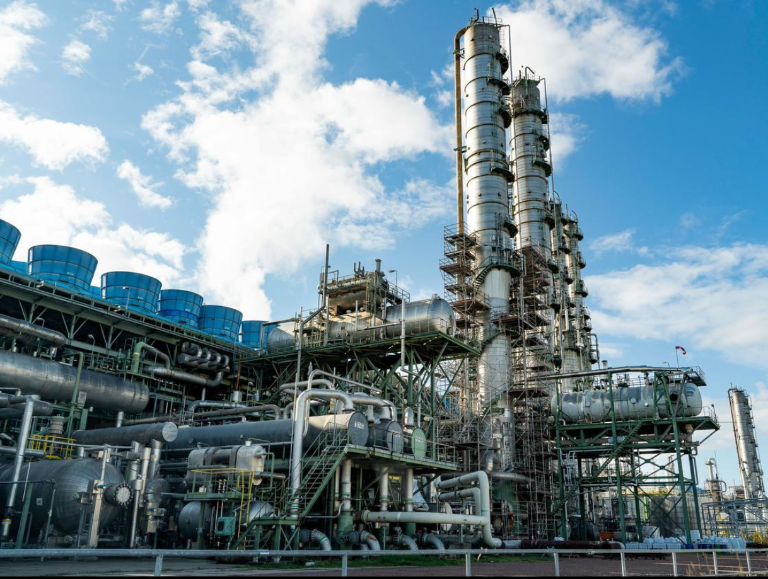
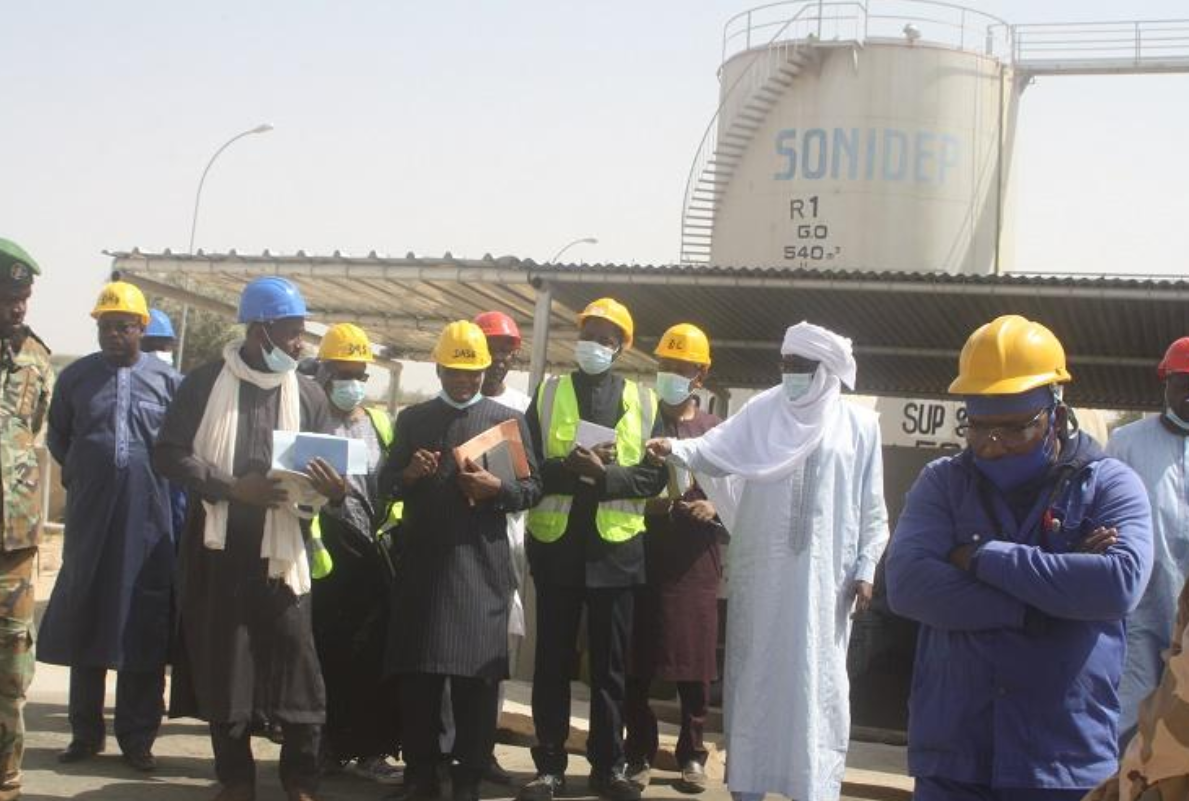
Niger’s oil sector is at the center of a political earthquake. A routine audit of the state-owned petroleum company SONIDEP has unearthed irregularities totaling 7 billion FCFA—just in the first two files examined. But the real shake-up comes as the investigation threatens to expose deep-rooted networks of influence within the government, sparking an abrupt halt to the audit and raising urgent questions about the integrity of Niger’s leadership.
From figures to controversy: how two files triggered a political storm
The audit, launched by the Inspectorate General of State (IGE) under orders from General Salifou Mody, began as a routine transparency measure. Yet within days, it became clear that the operation was encroaching on high-stakes interests. According to internal sources, the initial review of just two documents revealed financial discrepancies approaching 7 billion FCFA—a figure large enough to rattle the foundations of the regime. With over a hundred additional files still under scrutiny, the implications are staggering: if two cases uncover such significant irregularities, what might the remaining documents expose?
The leadership’s response: power protecting power
As the audit inched closer to sensitive areas, the political fallout escalated. Multiple influential figures—directly tied to the allegations—perceived the investigation as an existential threat. Sources describe internal clashes at the highest levels, culminating in a direct intervention by General Abdourahamane Tiani. The operation was abruptly suspended, leaving critics to question the motives behind the decision. Was this a move to shield allies from scrutiny, or an effort to derail the pursuit of truth? The move has cast a shadow over Niger’s commitment to combating corruption, raising doubts about whether accountability applies equally to all.
The Issaka Gado factor: a strategic exile or a tactical retreat?
Amid the turmoil, the sudden diplomatic posting of Issaka Gado—former chairman of the SORAZ oil refinery and brother of a former prime minister—has raised eyebrows. Gado was recently appointed as Niger’s permanent representative to the United Nations in Djibouti. The timing of this move, coinciding with the resurgence of oil sector audits and questions about past mismanagement, has fueled speculation. Was this a routine appointment, or a calculated maneuver to sideline a figure entangled in the unfolding scandal? Gado’s deep familiarity with the SONIDEP-SORAZ relationship makes his sudden withdrawal from the domestic stage all the more intriguing.
A history of resistance: audits that never see the light of day
This is not the first time Niger’s oil sector has faced scrutiny. Under the previous administration, Gado himself initiated an audit of the SORAZ-SONIDEP relationship—a move that reportedly led to severe consequences. According to sources, the then-minister Barké spent nearly a year in detention, while Gado himself faced four months behind bars. The episode highlighted the entrenched resistance to oversight in the sector. Today, as Gado assumes a new diplomatic post, critics see a pattern: audits are launched, they hit dead ends, and reformers either disappear or are sidelined.
The Sahabi Oumarou episode: another audit derailed
Dr. Sahabi Oumarou, who had pledged to resume the SORAZ-SONIDEP audits, also found himself out of the picture shortly after making the announcement. His removal adds another layer to the narrative of failed transparency efforts. Why do audits initiated by well-intentioned officials consistently fail to materialize? The pattern suggests a systemic aversion to genuine accountability within the oil sector—a sector critical to Niger’s economy.
Mazars and the promise of independence—and why it remains unfulfilled
The current petroleum minister, Tini, had proposed an international audit by Mazars to restore credibility to the sector. A joint workshop in April 2026 even formalized the commitment. Yet nearly eight months later, there is no sign of progress. The proposal has stalled, and the minister himself has faced temporary exclusion from his role. The absence of concrete action raises critical questions: Was Mazars officially selected? Was a contract signed? Who is blocking the process, and why? An independent audit remains Niger’s best chance to dispel corruption allegations and restore public trust—or so it seems.
The United Nations angle: shifting allegiances in global corridors
The oil saga has taken on an international dimension. Earlier declarations by a government official highlighted the presence of ‘agents of the old regime’ embedded within UN corridors, ready to manipulate narratives to protect their interests. The timing of Gado’s appointment in Djibouti—close to UN hubs—adds a layer of intrigue. Are diplomatic postings being used as safe havens for figures entangled in domestic scandals? While no direct link can be confirmed, the questions alone underscore the blurred lines between diplomacy and domestic politics.
The bigger picture: oil, power, and the cost of silence
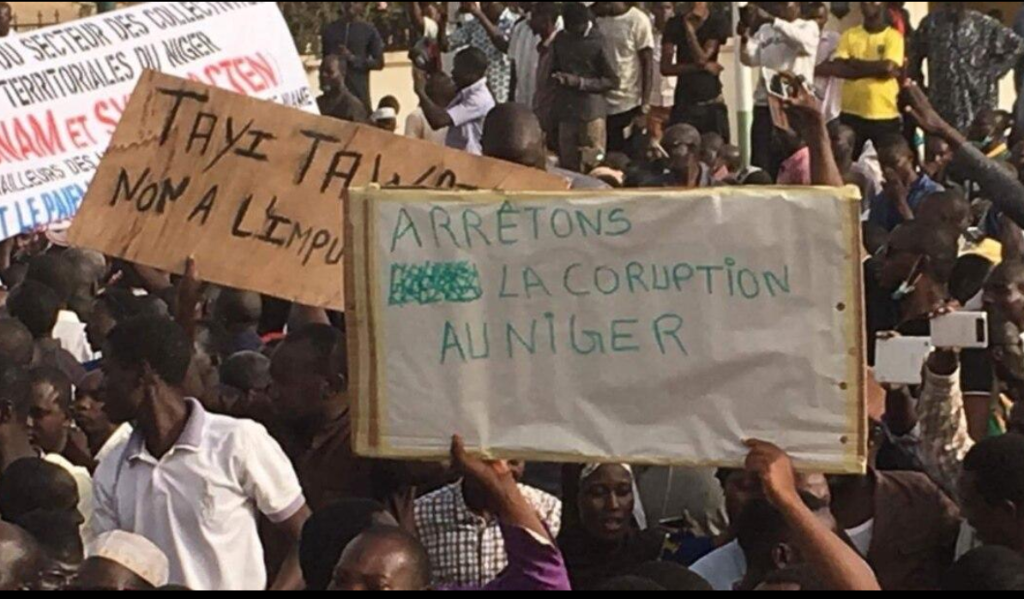
At its core, the SONIDEP affair is not just about 7 billion FCFA. It is about the governance of Niger’s most lucrative sector and the erosion of public trust. The SONIDEP and SORAZ entities are linchpins of the national economy, and the sums involved demand scrutiny. Citizens deserve clarity: Why were irregularities found? Who is accountable? And why were investigations halted before answers could emerge? Corruption control cannot be a selective tool—it must apply uniformly, or risk becoming a weapon of political convenience.
A scandal with ripple effects far beyond oil
The real scandal lies not in the sums themselves, but in the obstacles placed in the path of transparency. If political interference is confirmed, it will undermine the credibility of Niger’s anti-corruption narrative entirely. The SONIDEP case could become a litmus test for the regime’s willingness to confront entrenched interests. Questions linger: Who is shielding whom? How deep do these networks run? And why do audits always hit a wall when the first significant figures appear? The answers may redefine Niger’s political landscape—and the future of its oil sector—for years to come.
This investigation continues into the circumstances surrounding the IGE’s suspension, the financial operations under review, and the networks of influence embedded within the sector. The individuals and institutions named here are urged to provide clarity and address the concerns raised.